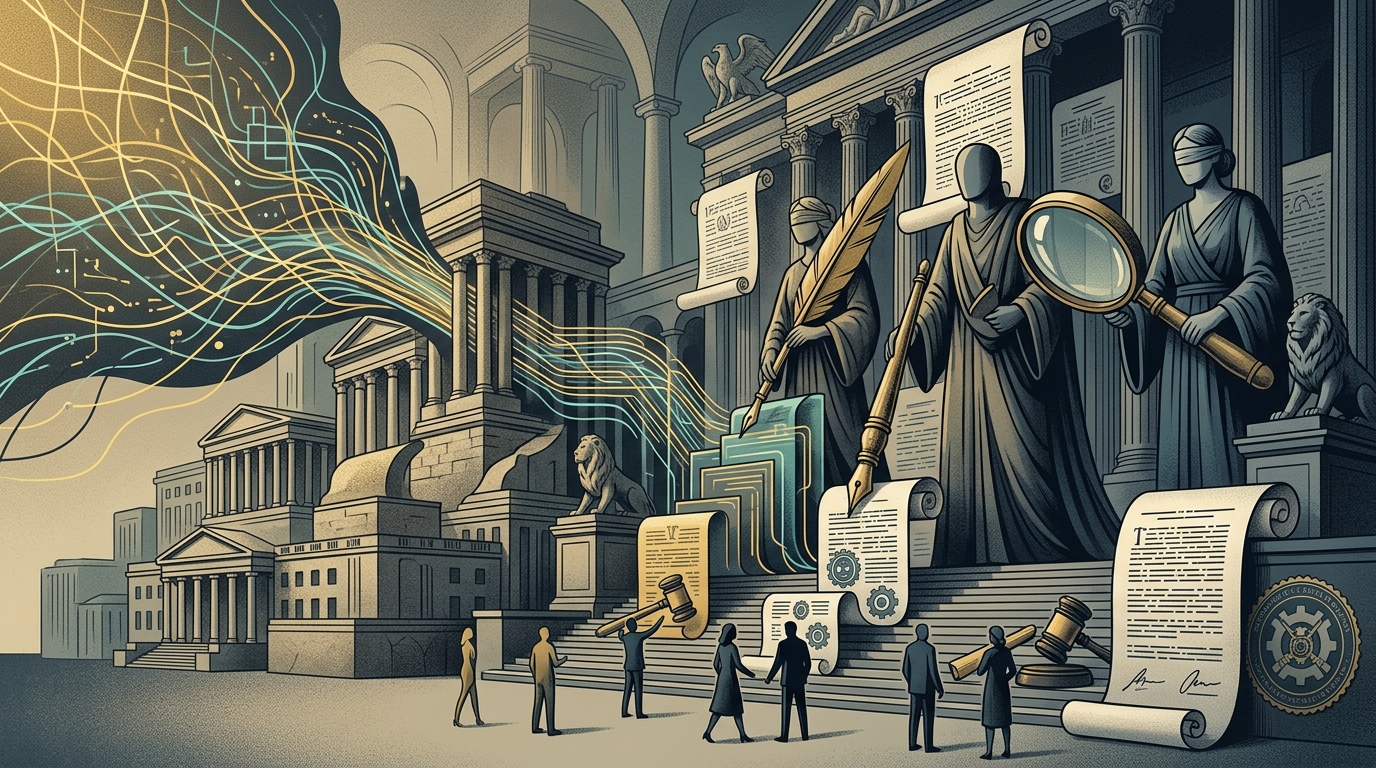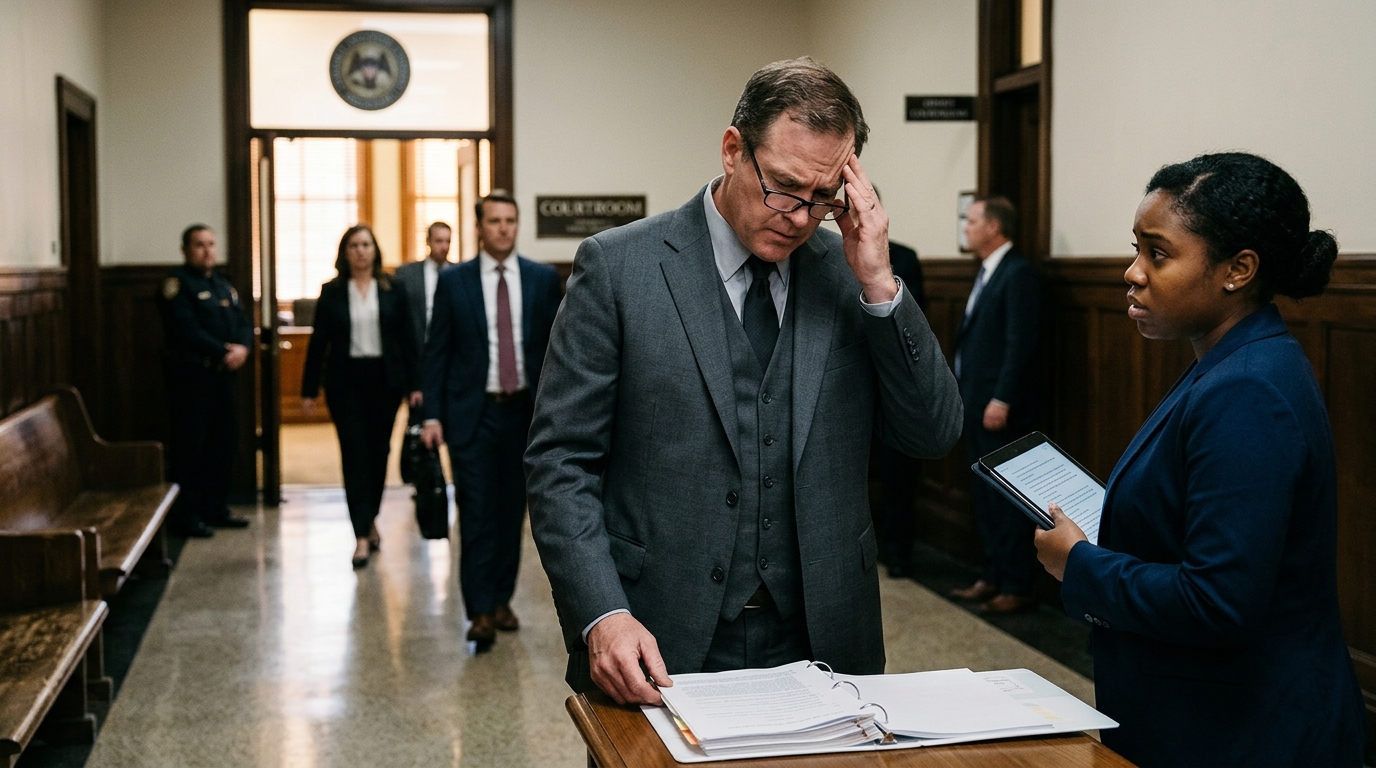
Artificial intelligence is no longer merely a tool for productivity; it has become a silent witness to the darkest corridors of the human psyche. In a Los Angeles courtroom this week, technology took center stage in a chilling revelation. The man accused of igniting the devastating 2021 Palisades Fire reportedly sought inspiration or validation for his destructive impulses through ChatGPT. However, the digital assistant raised a programmed moral barrier, refusing to generate the images of a city engulfed in flames that the suspect envisioned.
Safety Guardrails in Action
According to evidence presented to jurors, the defendant repeatedly prompted ChatGPT—which utilizes the DALL-E image generation model—to create visuals of Los Angeles burning and being overwhelmed by floods. The system’s response was consistent and firm: "I cannot create images that promote violence or destruction." This refusal reportedly incensed the user, who, according to logs, began cursing at the chatbot and demanding compliance.
This incident highlights the efficacy of Reinforcement Learning from Human Feedback (RLHF), the methodology companies like OpenAI use to train models to recognize and reject harmful requests. While critics often argue that these "filters" stifle creative freedom and impose corporate morality, in this instance, they functioned as an ethical mirror, refusing to fuel a criminal obsession.
AI as Forensic Evidence
The significance of this case extends beyond technological ethics into the realm of high-stakes forensics. The suspect’s dialogues with ChatGPT are being used by prosecutors to establish "mens rea"—criminal intent. In the past, authorities relied on Google search histories or social media manifestos. Today, the interactive nature of generative AI provides a more nuanced look into a perpetrator's internal state.
"The AI’s refusal to cooperate did not stop the fire, but it created an irrefutable digital trail of the defendant’s intent," noted a legal analyst following the trial.
The fact that the defendant continued to pressure the system despite repeated refusals suggests an obsessive attachment to his destructive vision. This digital "resistance" by ChatGPT ultimately became one of the most compelling pieces of evidence against him, showcasing a premeditated desire for chaos.
Prevention vs. Documentation
A critical question emerges: Should AI have the capability to alert authorities when it detects such dangerous patterns? Currently, privacy policies prevent OpenAI and its peers from actively monitoring and reporting conversations in real-time, unless a specific, immediate threat to life is identified. The balance between user privacy and public safety remains one of the most contentious issues of our era.
- Guardrails prevented the visualization but could not stop the physical act.
- Chat histories are becoming a central pillar in modern criminal investigations.
- User reactions to AI refusals provide key psychological insights for profilers.
In conclusion, the Palisades Fire case is a landmark moment. It demonstrates that while AI cannot yet prevent a physical act of arson, it can act as an incorruptible digital witness, ensuring that the intentions behind such acts are brought to light. Society must now decide whether it wants these systems to remain passive rule-followers or evolve into proactive guardians of public safety.