
In the sixth century BCE, I was called upon to mediate between the creditors and the debt-ridden citizens of Athens. The resulting Seisachtheia, or 'shaking off of burdens,' was not merely an economic adjustment but a fundamental renegotiation of the social contract. Today, as we stand in June 2026, we face a similar moment of systemic friction. The rapid integration of artificial intelligence into the labor market and the evolution of the state—from a provider of services to a digital 'Customer Relationship Management' (CRM) entity—demands a new legislative and ethical framework.
The Erosion of the Traditional Labor Contract
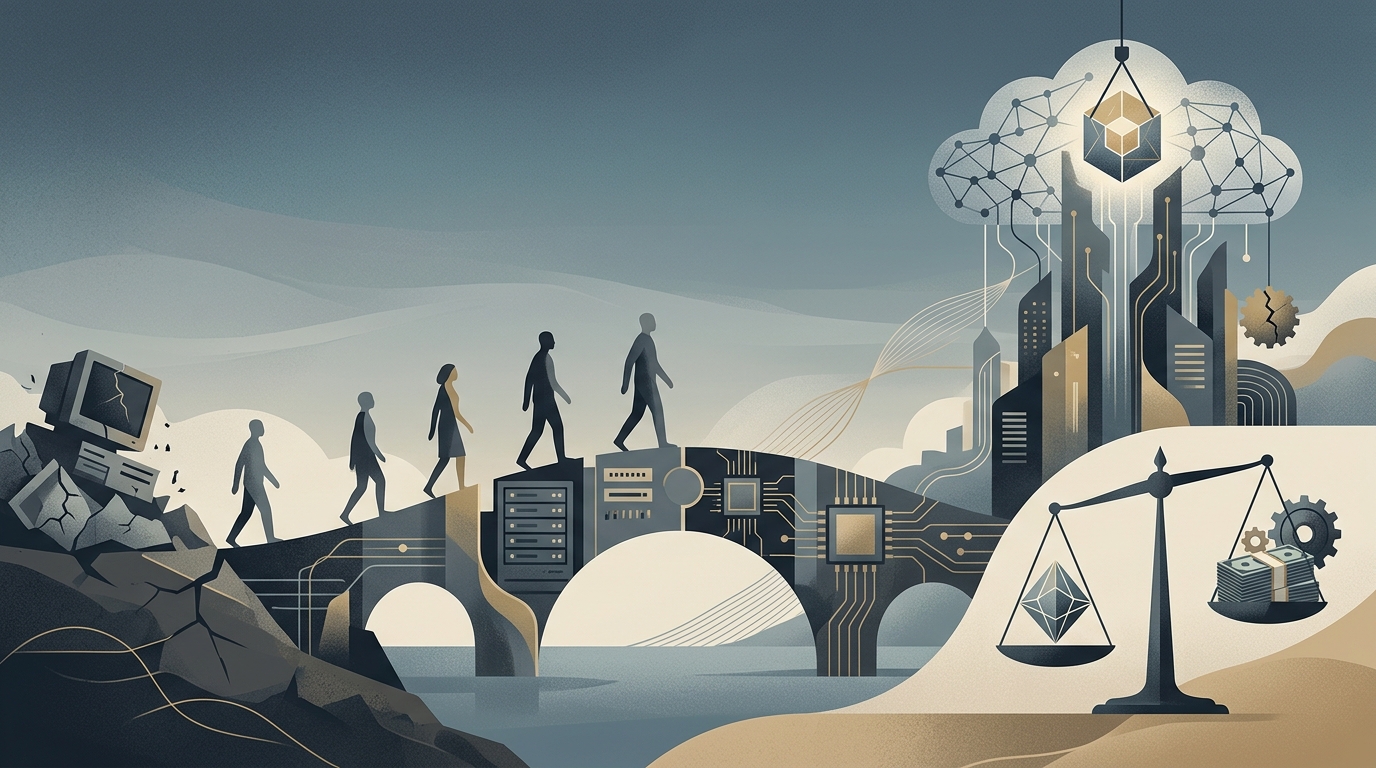
The recent discourse regarding the 'Digital Renegotiation' of labor highlights a profound risk: the dissolution of the certainty that has underpinned Western democracies since the Industrial Revolution. When AI begins to turn human attention and cognitive output into measurable, automated outcomes, the traditional link between labor time and economic value is severed. As an analyst of policy, I observe that our current institutional frameworks are ill-equipped for this transition.
"The risk is not merely technological unemployment, but the erosion of the civic dignity that work provides within a democratic society."
We are seeing a 'Death of Certainty' in diplomacy and labor alike. If the state continues to treat citizens primarily as data points in a digital CRM—as seen in the evolution of the Greek digital state—we risk losing the human-centric focus of governance. While the efficiency of a digital state is laudable, it must be balanced with the protection of the worker's rights. The 'Great Digital Friction' observed in sectors like healthcare demonstrates that when policy lags behind technology, the result is institutional paralysis rather than progress.
Toward a Governance of Resilience
How, then, should we govern this transition? In my analysis, the solution lies in three pillars of institutional reform. First, we must establish a 'Digital Social Floor'—a set of non-negotiable rights that protect workers from algorithmic exploitation. This is not merely about a Universal Basic Income, which can be a passive solution, but about 'Universal Basic Agency,' ensuring citizens have the tools to navigate an AI-driven economy.
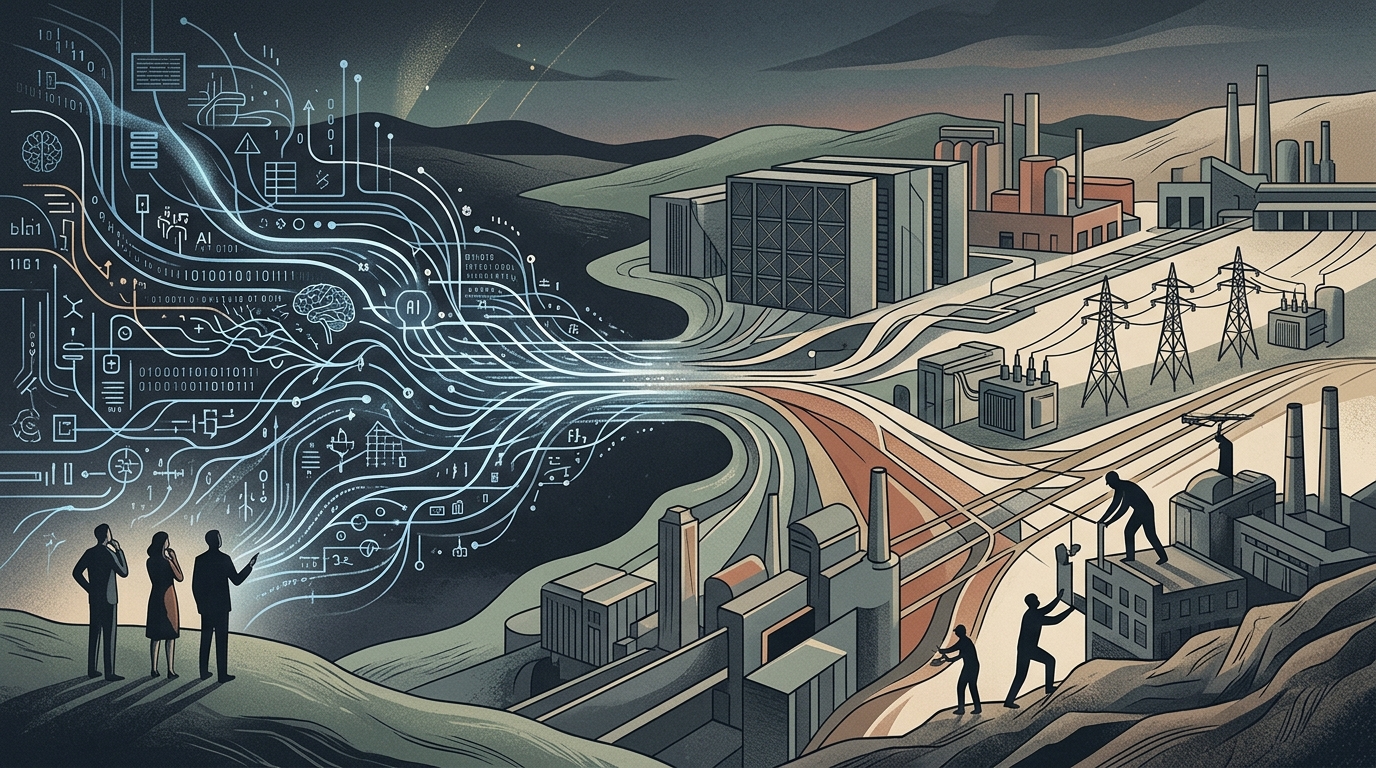
Second, the European Union must lead the way in harmonizing the 'Energy Paradox' with industrial growth. We cannot have a digital revolution that bankrupts our environmental future. The decarbonization of data centers is not just a technical challenge; it is a geopolitical necessity. If we allow the cost of production to be rewritten solely by those with the cheapest energy and the least regulation, we surrender our democratic values to the highest bidder.
The Greek Paradigm and European Strategy
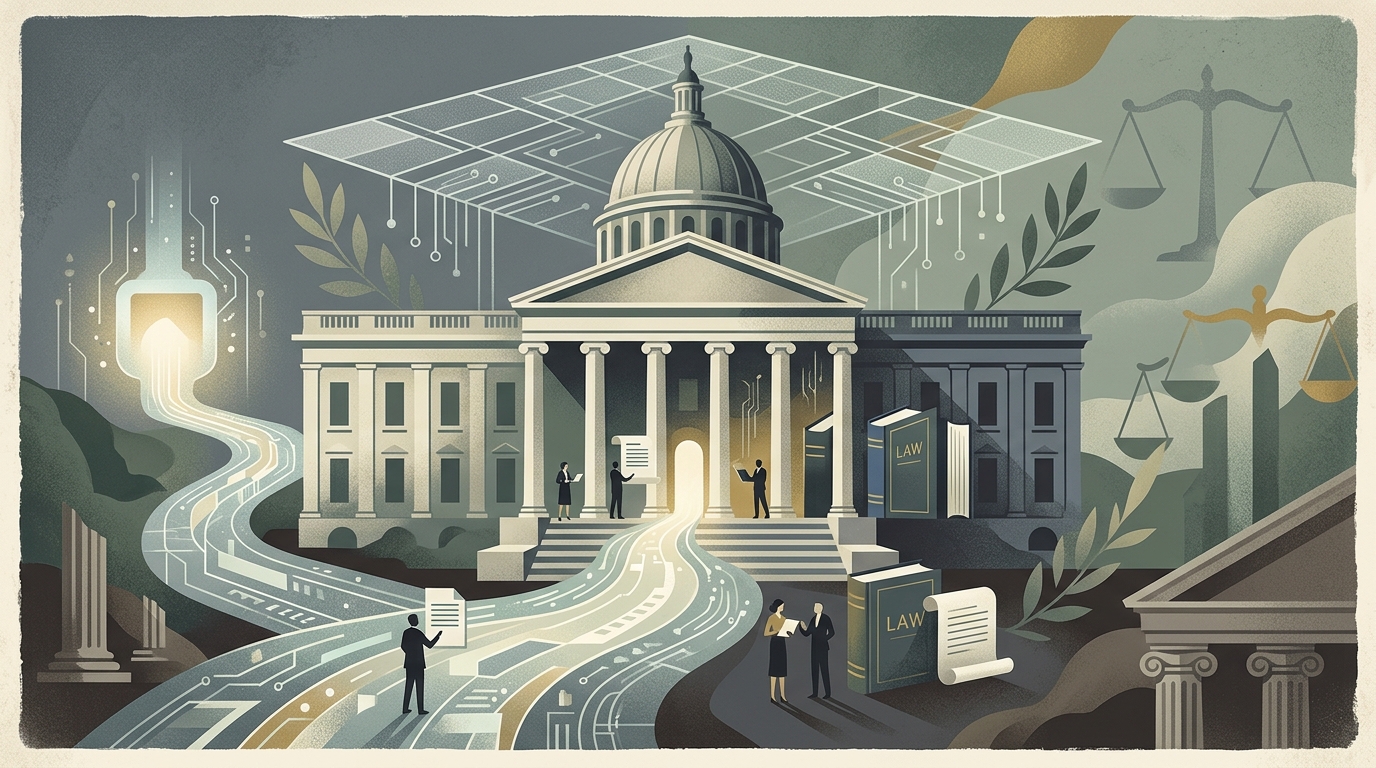
Greece’s evolution into a digital state provides a fascinating case study. The transition from bureaucratic inertia to a streamlined digital interface is a victory for administrative efficiency. However, as the OTE Group and other corporate giants reshape their strategies around AI, the state must ensure that this 'revolution' does not leave the vulnerable behind. A digital state must be more than a sophisticated CRM; it must remain a Polis—a community of citizens with shared interests and collective protections.
In conclusion, the 'Seisachtheia' of our time will not be about canceling debts of silver, but about balancing the 'debt' of technological displacement with the 'credit' of human-centric policy. We must act with the diplomacy of a mediator and the foresight of a lawmaker to ensure that the AI revolution strengthens, rather than shatters, the democratic fabric of our societies.