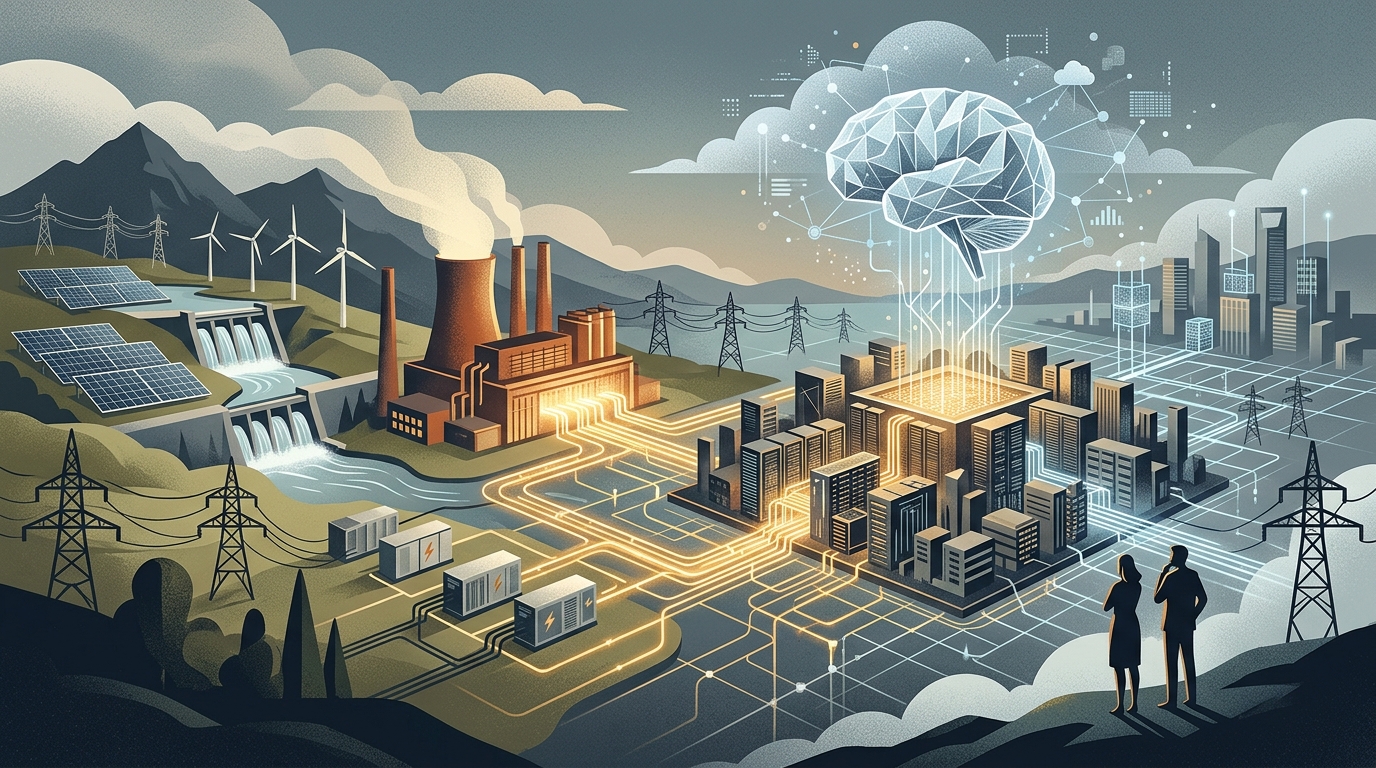

In the sixth century BCE, the reforms I proposed to the Athenian state were necessitated by a fundamental shift in the economic and social fabric of our society. Today, as we stand in May 2026, Greece finds itself at a similar crossroads. The recent transformation of the Titus power plant from a coal-burning relic into a high-performance AI data center is more than a feat of engineering; it is a profound political statement regarding the future of Hellenic sovereignty in the age of artificial intelligence.
The Infrastructure of Power: From Lignite to Data
The transition from 'Coal to Silicon' represents a tectonic shift in how national power is defined. For decades, Greece’s industrial backbone was fueled by lignite. As we de-carbonize under the European Green Deal, the strategic vacuum is being filled by digital infrastructure. The 'Cretan Data Center Gambit' by Prodea Investments and the broader pivot toward digital assets signals that Greece is positioning itself as the Mediterranean’s digital pier. However, from a governance perspective, this transition requires a delicate balance. We must ensure that the 'Digital Renaissance'—exemplified by initiatives like Drama’s LAB.40—is not merely an invitation for foreign capital, but a structural reinforcement of our domestic capabilities.
"True governance in the AI era is not measured by the number of servers on one's soil, but by the degree of democratic control exercised over the data they process."
The Social Contract and Energy Sovereignty
A significant tension exists between Greece’s emerging leadership in energy exports and the persistent challenge of consumer prices. As AI data centers require immense amounts of electricity, the political risk is that the digital transition could exacerbate energy poverty if not managed through a robust regulatory framework. The 'New Industrial Paradigm' mentioned by Yiannis Iosifakis of Nvidia suggests a world where AI adoption is immediate and total. Yet, a Solonian approach dictates that such progress must not come at the expense of the social contract. Policy-makers must harmonize the incentives for data center development with protections for the average consumer, ensuring that the benefits of AI-driven efficiency are reflected in the grocery aisle and the utility bill alike.
Geopolitical Autonomy in a Bipolar AI World
As China demonstrates that AI is already its 'present' rather than its 'future,' and as Wall Street scrutinizes 'fake AI' stocks, Greece and the European Union must find a 'Third Way.' We cannot afford to be passive consumers of external technologies. The development of local digital infrastructure is a necessary step toward 'Strategic Autonomy.' By hosting the physical layer of the AI revolution—the data centers—Greece gains a seat at the geopolitical table. However, this must be paired with the K-12 policy shifts seen in Stratford and the ethical considerations raised by creators like Koji Fukada. We are building the body of a digital giant; we must ensure we are also cultivating its soul through education and ethical regulation. In my analysis, the path forward requires a 'Digital Seisachtheia'—a shedding of old industrial burdens to embrace a governance model that prioritizes transparency, energy equity, and the preservation of democratic values in the silicon age.