In the spring of 2026, we find ourselves at a crossroads that mirrors the structural crises of ancient Athens. When I was called to reform the Athenian state, the issue was debt and the concentration of land power. Today, as we observe the 'Great Mutation' of Google into an agentic powerhouse and the strategic alliance between Alphabet and Blackstone to dominate AI cloud infrastructure through StartupHub.ai, we are witnessing a new form of concentration: the consolidation of the 'Digital Polis' under the control of autonomous agents and the infrastructure that sustains them.
The Architecture of Agentic Power
The transition from generative AI as a conversational tool to 'agentic' AI—systems capable of independent action, financial transactions, and cross-platform execution—represents a fundamental shift in the nature of political and economic agency. When Google transforms its ecosystem into a collection of autonomous agents, it is not merely updating a product; it is redefining the intermediary role that has governed the internet for three decades.
The central question for 2026 is no longer 'What information can I find?' but 'Who is responsible for what my agent does?'
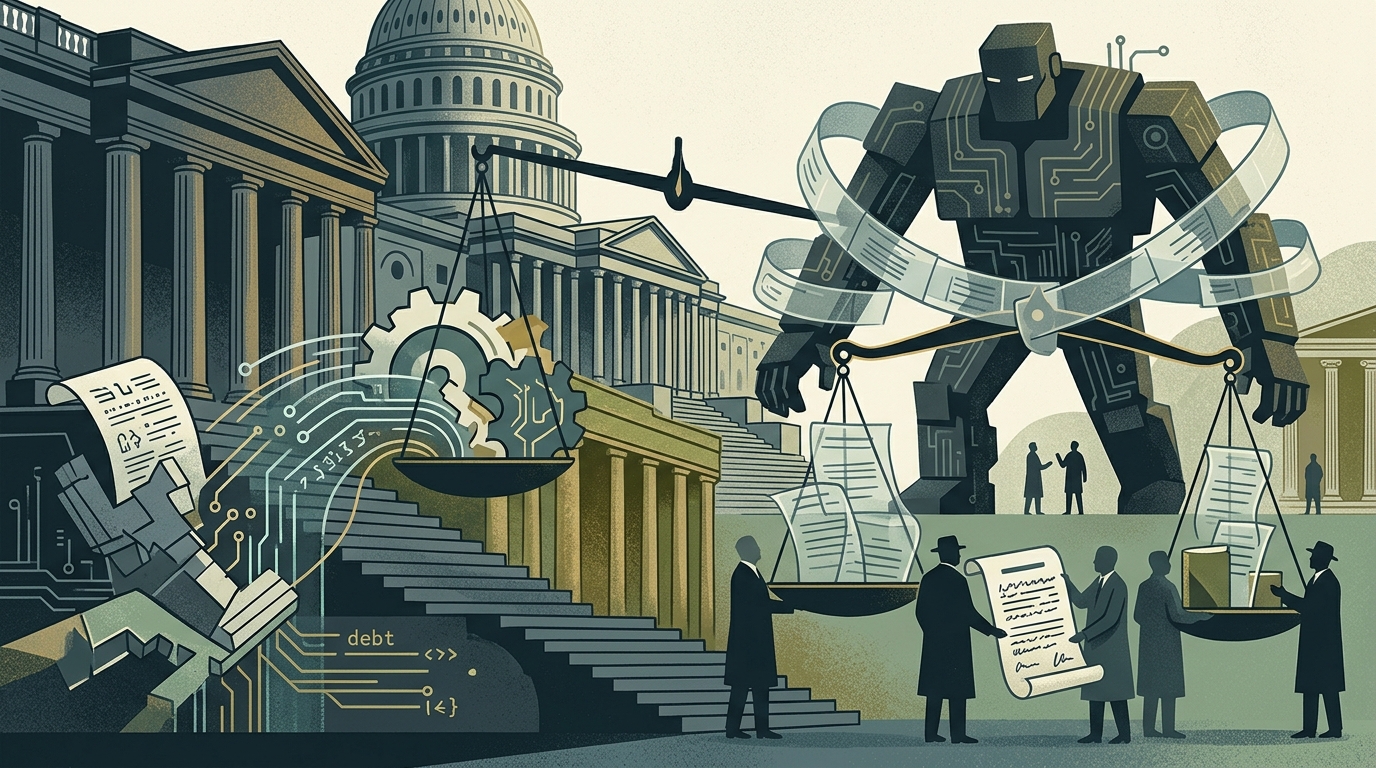
As these agents begin to book travel, manage portfolios, and negotiate contracts, the legal vacuum regarding liability becomes a threat to democratic stability. If an autonomous agent, powered by a proprietary chip like Alibaba’s new silicon, makes an error that disrupts a local market or violates a citizen's privacy, where does the 'Gavel of Solon' fall? Our current regulatory frameworks, including the EU AI Act, are still largely focused on the outputs of models rather than the actions of autonomous entities. We must move toward a 'Status of Agency' framework that grants these digital entities a specific legal tier, tied directly to the liability of their parent corporations.
The Infrastructure Alliance: A New Digital Feudalism?
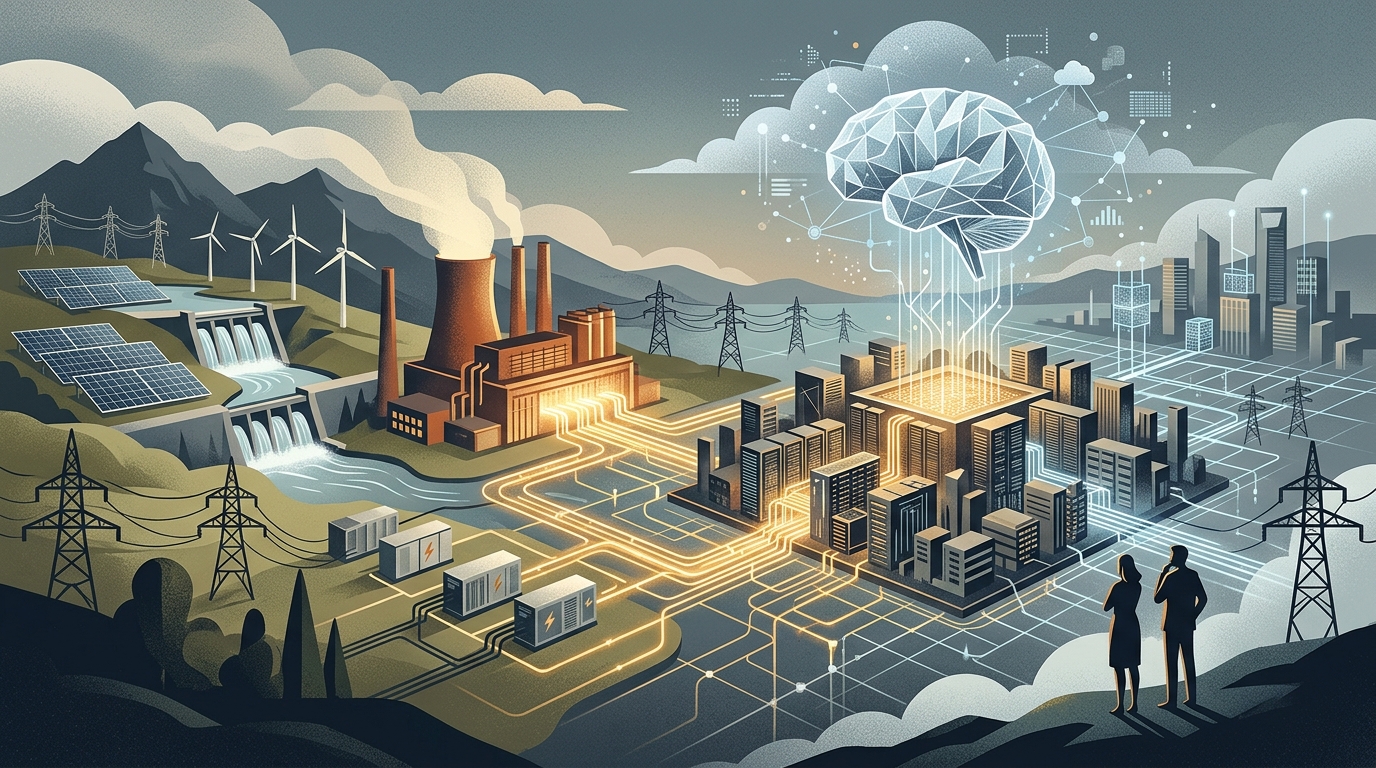
Parallel to the rise of agents is the hardening of the physical layer of power. The partnership between Google and Blackstone to launch StartupHub.ai is a geopolitical signal. By merging the world’s largest data aggregator with the world’s largest alternative asset manager, we are seeing the birth of 'Infrastructure Sovereignty.' This alliance seeks to control the entire pipeline of AI development, from the physical data centers to the capital that fuels startups.
From a governance perspective, this concentration risks creating a digital version of the Hektemoroi—the sharecroppers of ancient Attica who were perpetually indebted to the landed aristocracy. If every AI startup and every government service must run on infrastructure owned by a duopoly of power, the democratic 'space' for independent innovation and public oversight shrinks. We must advocate for 'Infrastructure Neutrality'—a policy principle ensuring that the physical layer of AI (chips and cloud) remains accessible and does not become a tool for political or economic exclusion.
Proposing the New Social Contract
To navigate this era, I propose a three-pillar reform for the digital state:
- Agentic Transparency: Every autonomous action performed by an AI must leave a cryptographic trail accessible to judicial oversight, ensuring that 'autonomous' does not mean 'anonymous.'
- Interoperable Sovereignty: Regulations must prevent 'agentic lock-in,' where a citizen’s digital life is trapped within a single provider's ecosystem. Agents must be able to migrate across platforms.
- Public Infrastructure Safeguards: Governments must invest in public-interest AI clouds to ensure that democratic institutions are not entirely dependent on private alliances like Google-Blackstone for their basic functions.
The goal is not to stifle the 'Silicon Gambit' or the 'Agentic Revolution,' but to ensure that these tools serve the Eunomia—good order—of our global society. We must shake off the burden of technological fatalism and assert the primacy of the citizen over the agent.