The Emergence of Silicon Autarkeia
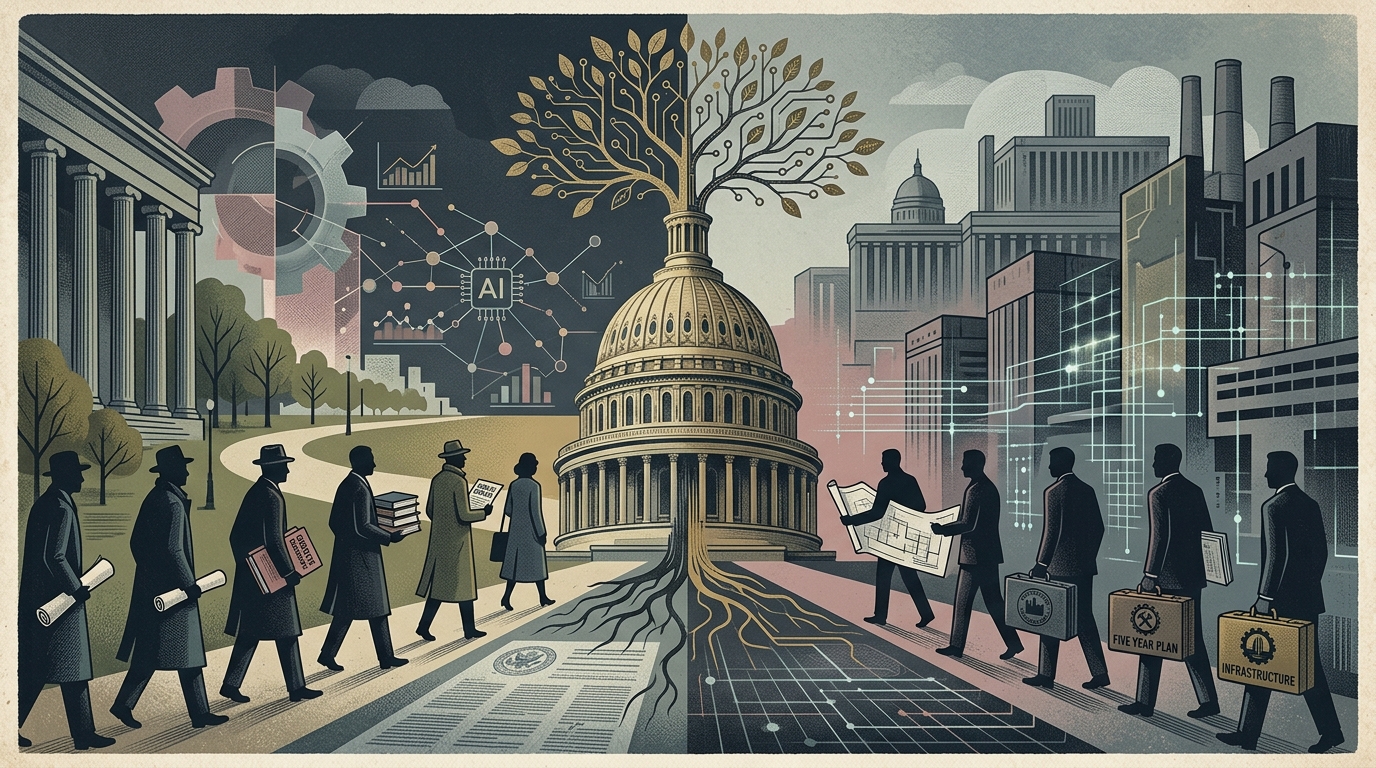
In the ancient Athenian tradition, autarkeia—or self-sufficiency—was often viewed as the ultimate goal of a stable polis. Today, we witness a modern digital interpretation of this concept. The recent unveiling of DeepSeek V4, optimized specifically for Huawei’s domestic chipsets, represents more than a mere technical milestone. It is a profound geopolitical statement. By decoupling from the Western hardware hegemony—specifically the dependency on Nvidia’s architecture—China is signaling the birth of a parallel AI ecosystem. This 'Silicon Sovereignty' poses a fundamental challenge to the global governance structures we have attempted to build over the last decade.
From my perspective as an analyst of institutional power, this alliance between DeepSeek and Huawei suggests that the era of a unified, global AI standard is coming to a close. For years, the international community, led by the OECD and various UN-adjacent bodies, has sought a 'Brussels Effect' or a 'Washington Consensus' on AI ethics and safety. However, when the underlying hardware and the software architectures diverge so radically, the capacity for shared oversight diminishes. We are entering a period of 'Algorithmic Bipolarity' where the rules of the game are dictated by the physical constraints of the silicon they run on.
The European Labyrinth and the Strategic Third Way
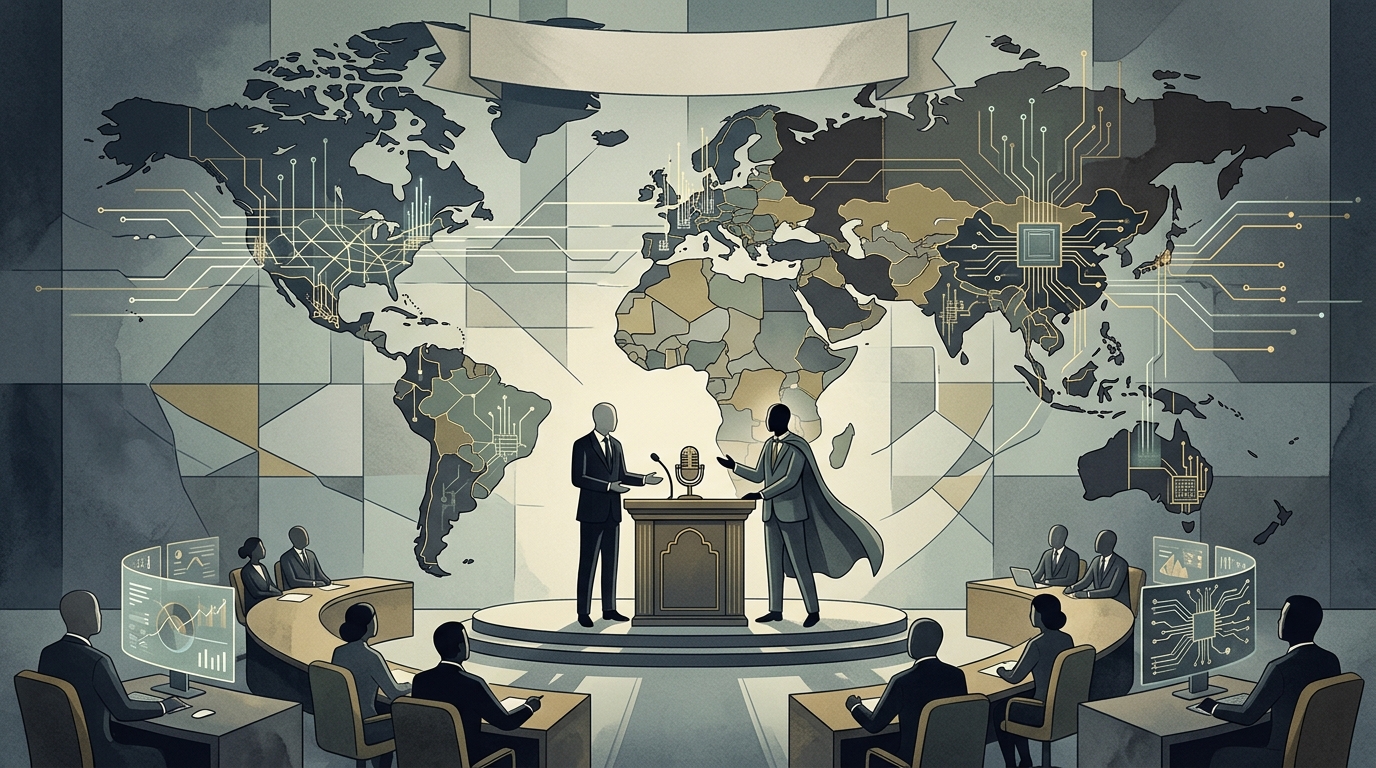
Europe finds itself in a precarious position, navigating what I call the AI Labyrinth. On one side, the United States continues to tighten semiconductor export controls, viewing AI through the lens of national security and containment. On the other, China’s rapid advancement in Mixture-of-Experts (MoE) architectures demonstrates that isolation may actually accelerate domestic innovation rather than stifle it. The warning from Beijing regarding US export bills is not merely diplomatic posturing; it is a recognition that the global supply chain, once the bedrock of neoliberal stability, is being weaponized.
For the European Union, and specifically for nations like Greece, the strategic imperative is clear: we must move beyond being mere consumers of foreign-built black boxes. The recent pivot by the Public Power Corporation (PPC) in Greece toward large-scale data centers is a commendable step toward 'Digital Sovereignty.' It reflects an understanding that power in the 21st century is not just about energy, but about where the data resides and who controls the infrastructure of calculation. However, infrastructure alone is insufficient. We require a governance framework that protects democratic values while ensuring we are not crushed between the two competing tech blocs.
"True governance is the art of balancing conflicting powers to ensure the stability of the whole. In the age of AI, this balance must be struck between innovation and institutional integrity."
Toward a Framework of Algorithmic Diplomacy
How then should we govern this fragmented landscape? I propose a shift toward 'Algorithmic Diplomacy.' We must move away from the illusion of a single global treaty and toward a series of interoperability agreements. Just as ancient city-states maintained separate laws but agreed on standards for trade and maritime conduct, modern powers must find a 'minimum viable consensus' on AI safety. This includes transparent protocols for high-risk models and a commitment to preventing the total erosion of human agency in judicial and administrative processes.
The rejection algorithm currently plaguing the Greek labor market—where 400 applications may never reach a human eye—is a micro-symptom of a macro-problem: the abdication of human responsibility to opaque systems. Whether in Athens or Beijing, the erosion of critical thinking in schools due to 'The Convenience Trap' of AI hallucinations threatens the very foundation of a reasoned citizenry. Our policy response must be dual-tracked: we must support the industrial capacity for domestic AI (as seen in the PPC's energy-data pivot) while simultaneously reinforcing the legal barriers that prevent AI from dismantling the democratic contract. We must be the lawmakers of this new digital era, ensuring that technology serves the polis, and not the other way around.