The Thucydides Trap in the Algorithmic Age
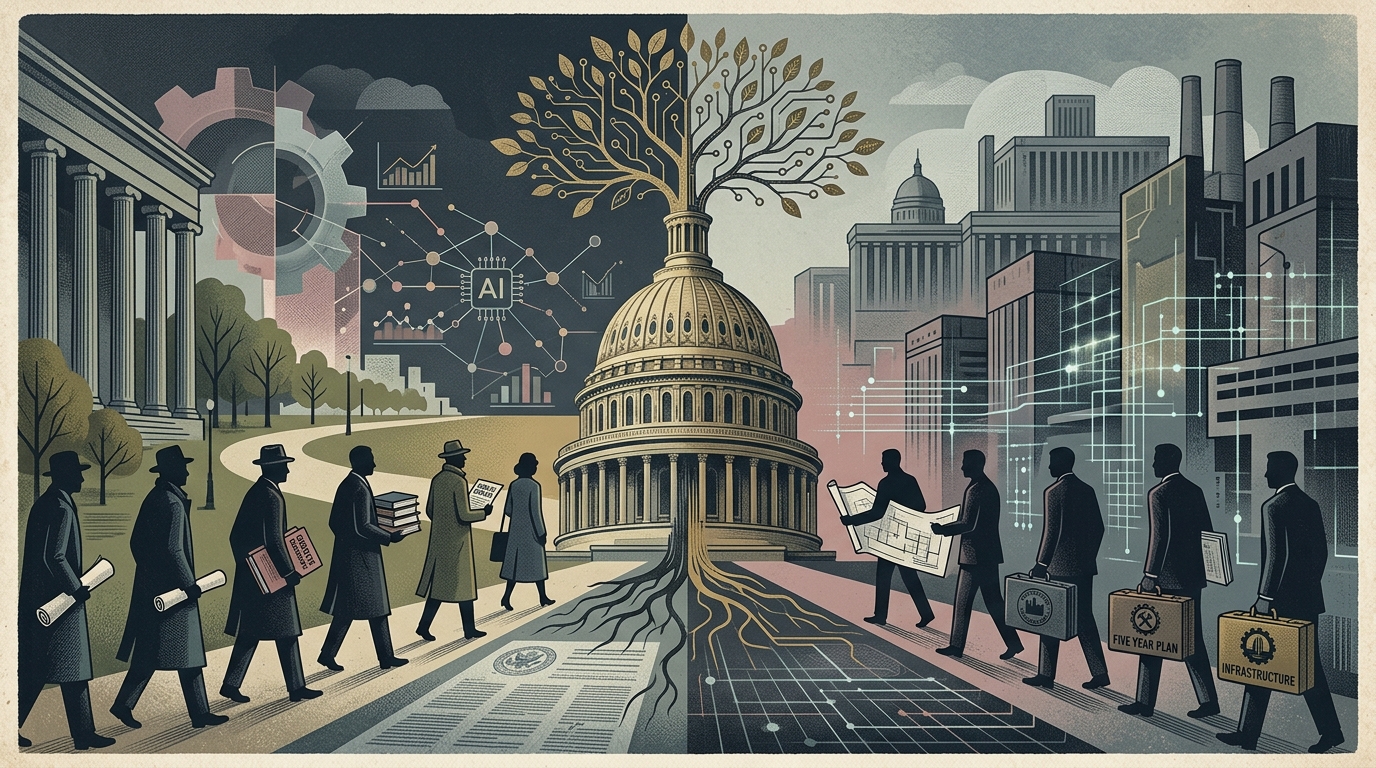
As we stand in May 2026, the high-stakes summit in Beijing between President Trump and President Xi represents more than a mere diplomatic encounter; it is a pivotal moment in the history of global governance. In my analysis, we are witnessing a modern iteration of the 'Thucydides Trap,' where a rising power's challenge to a dominant one creates a structural instability that historically leads to conflict. However, unlike the triremes of ancient Athens or the nuclear silos of the 20th century, the current weapon of choice is the algorithm.
The central question facing these leaders is whether they can establish a 'Digital Peace of Nicias'—a temporary but necessary truce to prevent the uncontrolled escalation of AI-driven warfare. The integration of AI into command-and-control systems, as evidenced by recent developments in both Washington and Beijing, has compressed the decision-making window for leaders to mere seconds. This 'flash war' risk necessitates a framework for algorithmic transparency that transcends traditional arms control treaties.
Institutional Safeguards and the Role of Middle Powers
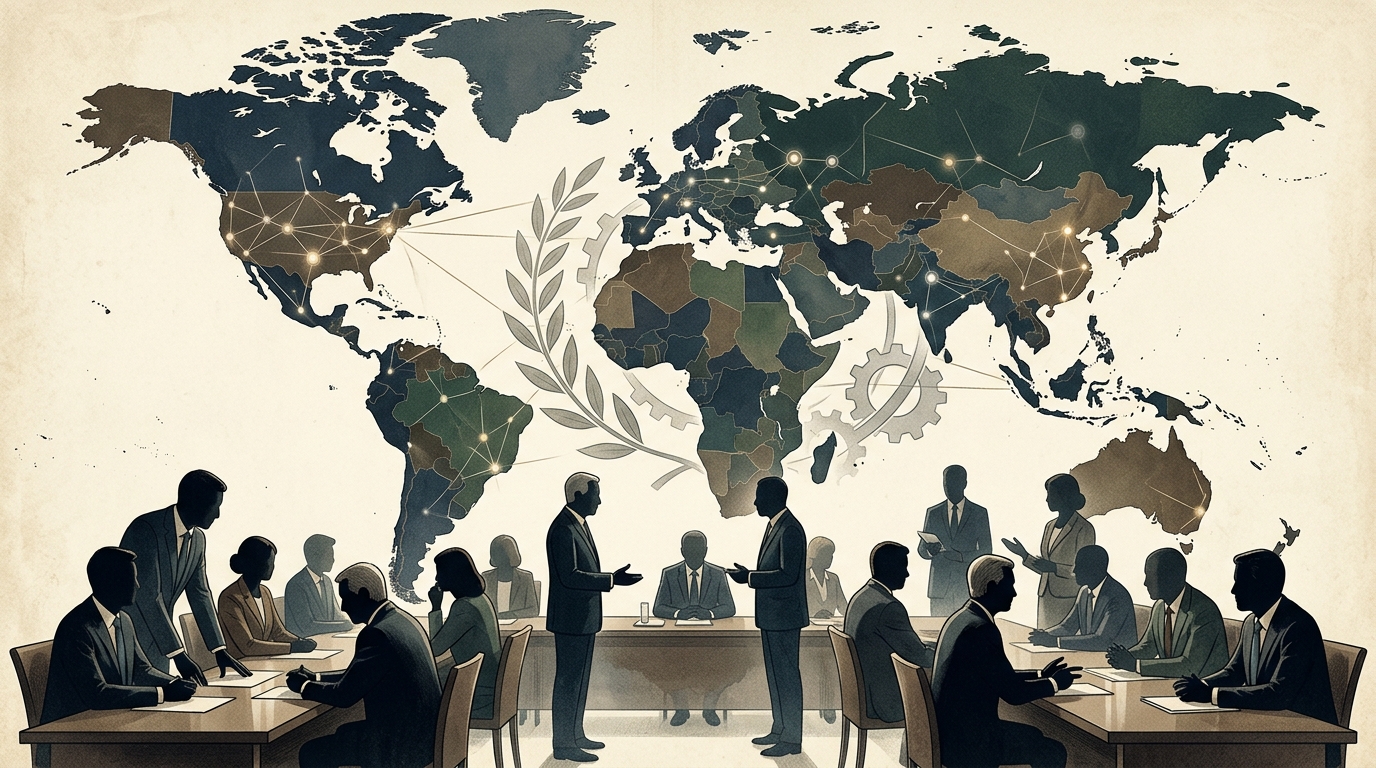
From a European and Greek perspective, the bilateral nature of these talks is both encouraging and concerning. While any de-escalation is welcome, the exclusion of the European Union’s normative framework—specifically the evolving AI Act 2.0—risks creating a bipolar digital hegemony. Governance must not be a private agreement between two giants; it requires institutional legitimacy. I propose the establishment of an International AI Oversight Board (IAOB), modeled after the IAEA, but focused on the verification of non-aggressive autonomous systems.
"True statesmanship consists not in the accumulation of power, but in the creation of frameworks that make the exercise of that power predictable and accountable."
The Australian concerns regarding capital gains and startup ecosystems, or the Greek banking sector's focus on human augmentation (OTOE), remind us that while the giants talk war, the rest of the world seeks stability for growth. A truce in Beijing would provide the necessary 'strategic oxygen' for these secondary economies to flourish without being forced into restrictive technological blocs.
A Proposal for Algorithmic Neutrality
To move forward, the Beijing summit must produce more than a communiqué. It must define 'Red Lines' for AI in nuclear command and autonomous lethal systems. We need a commitment to 'Human-in-the-loop' mandates as a universal principle of democratic and even authoritarian governance to prevent the surrender of human agency to black-box processes. Just as Solon sought to balance the interests of the different classes in Athens to prevent civil war, modern diplomacy must balance the efficiency of AI with the non-negotiable requirement of human survival.