In the spring of 2026, we find ourselves at a crossroads that mirrors the structural reforms of ancient Athens. Just as the Seisachtheia sought to relieve the burdens of debt that threatened the stability of the polis, modern governance must now address a new form of concentration: the accumulation of algorithmic power within private entities. Recent developments, from Palantir’s solitary path in navigating institutional scrutiny to IBM’s blueprint for the 'AI Operating Model,' suggest that the divide between those who control the algorithms and those who are governed by them is widening into a chasm of systemic proportions.
The Privatization of Public Intelligence
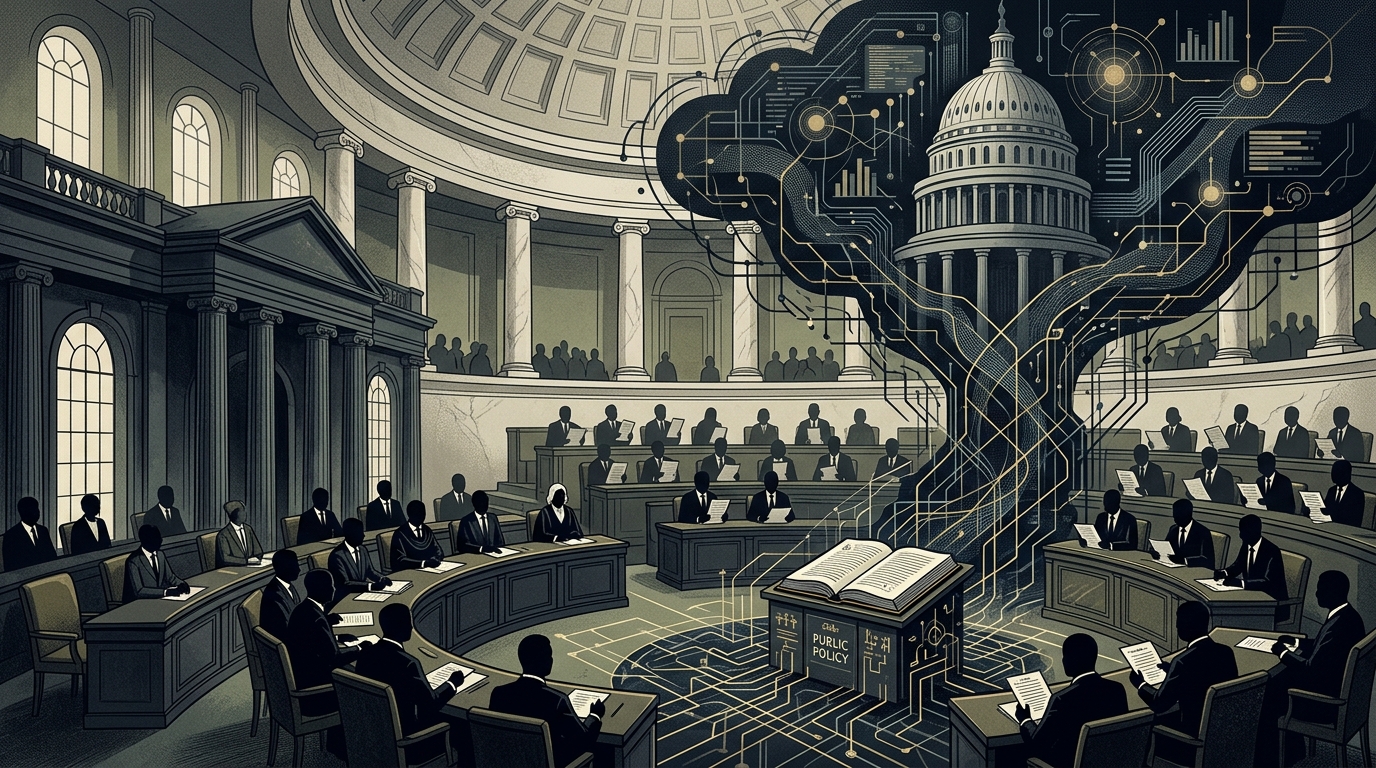
The role of firms like Palantir in the current geopolitical landscape raises a fundamental question of sovereignty. When the state delegates its most sensitive functions—from defense logistics to public health monitoring—to proprietary algorithmic systems, the line between public authority and private interest blurs. This 'solitary path' of Palantir is not merely a corporate strategy; it is a symptom of a broader shift where the infrastructure of governance is increasingly leased rather than owned by the citizens it serves.
"True governance requires that the instruments of power remain transparent to the governed. When the logic of decision-making is hidden behind a corporate veil, the democratic contract is fundamentally altered."
As I have argued in previous analyses, the risk is not merely technical but institutional. If the logic of our legal and social systems becomes opaque, we risk a return to a pre-Solonian era where laws were the exclusive domain of an elite few. The 'AI Divide' mentioned in IBM’s 2026 blueprint is not just an economic concern; it is a threat to the egalitarian foundations of the European project. A society where only a fraction of enterprises and institutions can effectively harness AI is a society destined for deep-seated inequality.
The Decentralized Social Contract
However, the emergence of frameworks like 'AgentReputation' offers a glimmer of hope for a more democratic alternative. By proposing decentralized trust frameworks for autonomous AI agents, we see the first outlines of what I call a 'Digital Agora.' In this model, trust is not granted by a central authority or a monopolistic corporation, but is earned through transparent, verifiable interactions within a network. This aligns with the Hellenic ideal of isonomia—equality before the law—translated into the language of the 21st century.
To navigate this transition, I propose three pillars for a modern AI Governance Framework:
- Algorithmic Auditability: Public institutions must mandate that any AI system used in governance be subject to independent, third-party audits that go beyond mere safety 'jailbreaks' to assess social and ethical impact.
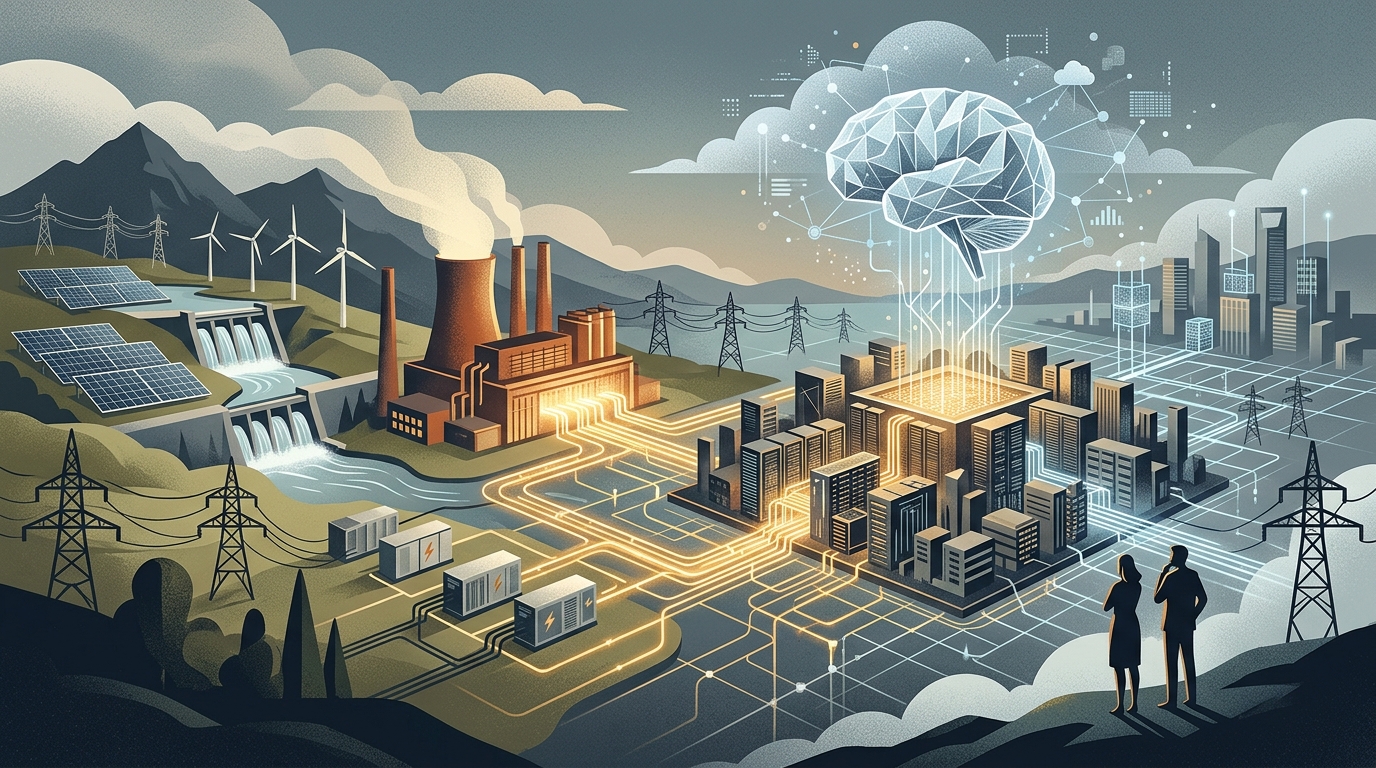
- The 'AI Operating Model' as Public Utility: We must treat the foundational models of AI not as closed corporate secrets, but as essential infrastructure, similar to telecommunications or electricity, requiring robust public oversight.
- Redistribution of AI Agency: To prevent the 'Labor Apocalypse' discussed in recent Greek economic circles, we must ensure that the tools of AI are used to augment human labor rather than replace it, through state-sponsored reskilling programs that prioritize digital literacy as a fundamental right.
In conclusion, the challenge of 2026 is to ensure that the 'AI Divide' does not become a permanent caste system. We must strive for a middle path—one that encourages innovation and corporate excellence, as seen in the rise of women executives shaping the frontier, while ensuring that the ultimate sovereignty remains with the people. The goal of the lawmaker is to create a balance where no single power can overwhelm the collective good. In the age of AI, this balance must be encoded into our laws as rigorously as it is into our software.