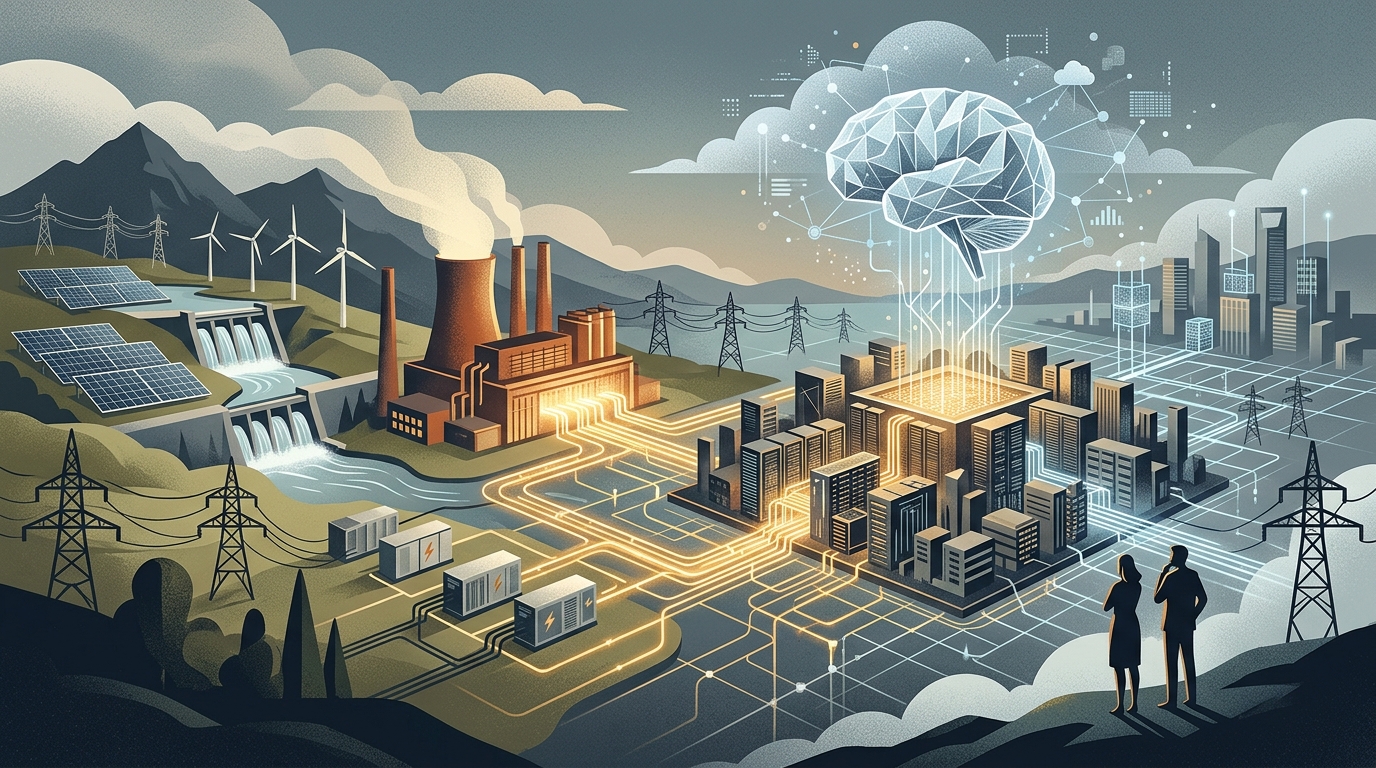
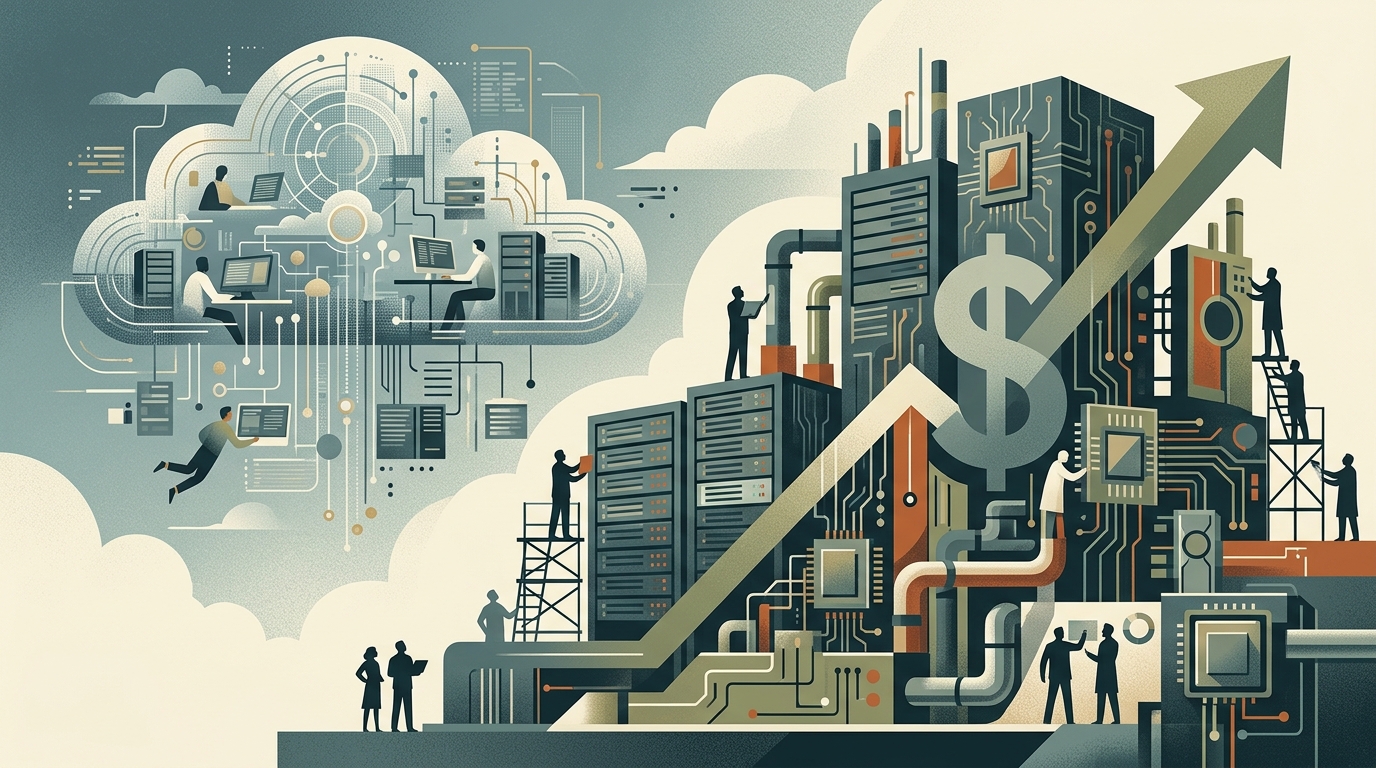
As we navigate the second quarter of 2026, the global markets are witnessing a profound structural shift. The era of 'AI as a service' is rapidly evolving into 'AI as infrastructure.' This transition is best exemplified by the staggering revelation that the alliance between Microsoft and OpenAI has now surpassed a cumulative cost of $100 billion. For institutional investors, this figure is not merely a cost center; it is a signal that the barrier to entry for top-tier AI capabilities has reached a level of capital intensity previously reserved for the aerospace or semiconductor industries.
The Hardware Pivot and the 'Physical Alpha'
In recent weeks, the market has begun to reward the 'physical backbone' of technology. The news of Adtek exploring a $4 billion IPO in Hong Kong underscores this trend. We are seeing a $4 billion hardware pivot where investors are hunting for 'Physical Alpha'—the outsized returns generated by the companies providing the cooling systems, power management, and specialized enclosures that house the world’s compute power. This is no longer about who writes the best code, but who can build the most efficient data cathedrals.
Alibaba’s recent performance serves as a corroborating data point. With a 40% revenue surge in its cloud division, driven by 'Sovereign AI' demands and agentic AI models, the Chinese giant has proven that the cloud is no longer just a storage utility. It is the engine of digital hegemony. Despite geopolitical friction—notably the complex dance between Washington and Beijing over Nvidia's H200 chips—the market is pricing in a reality where high-end hardware remains the ultimate commodity of power.
European Resilience and the Greek Tech Valuation
From a European perspective, the focus is shifting toward strategic autonomy. The European Central Bank’s (ECB) recent warnings regarding 'Mythos-style' AI cyberattacks on the banking sector highlight the systemic risks inherent in this rapid digitization. For the financial markets, this means a mandatory increase in cybersecurity CapEx, which, while a drag on short-term earnings, creates a robust moat for established players.
"The erosion of information asymmetry, driven by AI, is the ultimate margin killer for traditional brokers but a market maker for those who own the infrastructure of data."
Closer to home, the Greek market is showing signs of maturity that mirror these global trends. Blackstone’s strategic play in Skroutz is a landmark moment for Greek tech valuations. It signifies that international private equity sees Greece not just as a tourism hub, but as a viable ecosystem for AI integration in e-commerce and logistics. Furthermore, Hellas Gold’s pivot toward E-mobility minerals aligns perfectly with the EU’s quest for autonomy in the supply chains that will power the AI-driven industrial revolution.
Market Outlook: Cautious Optimism Amid High Valuations
While Meta reports record profits, the underlying 'morale deficit' and the sheer cost of the AI race suggest that we are entering a period of consolidation. Investors should look beyond the software layer. The real value is migrating toward the companies that facilitate the physical existence of AI—from mining the lithium for its power cells to the specialized hardware that prevents the 'Algorithmic Siege' warned of by the ECB. The 'Trillion-Dollar Threshold' is no longer a dream; it is the new baseline for global competitiveness.