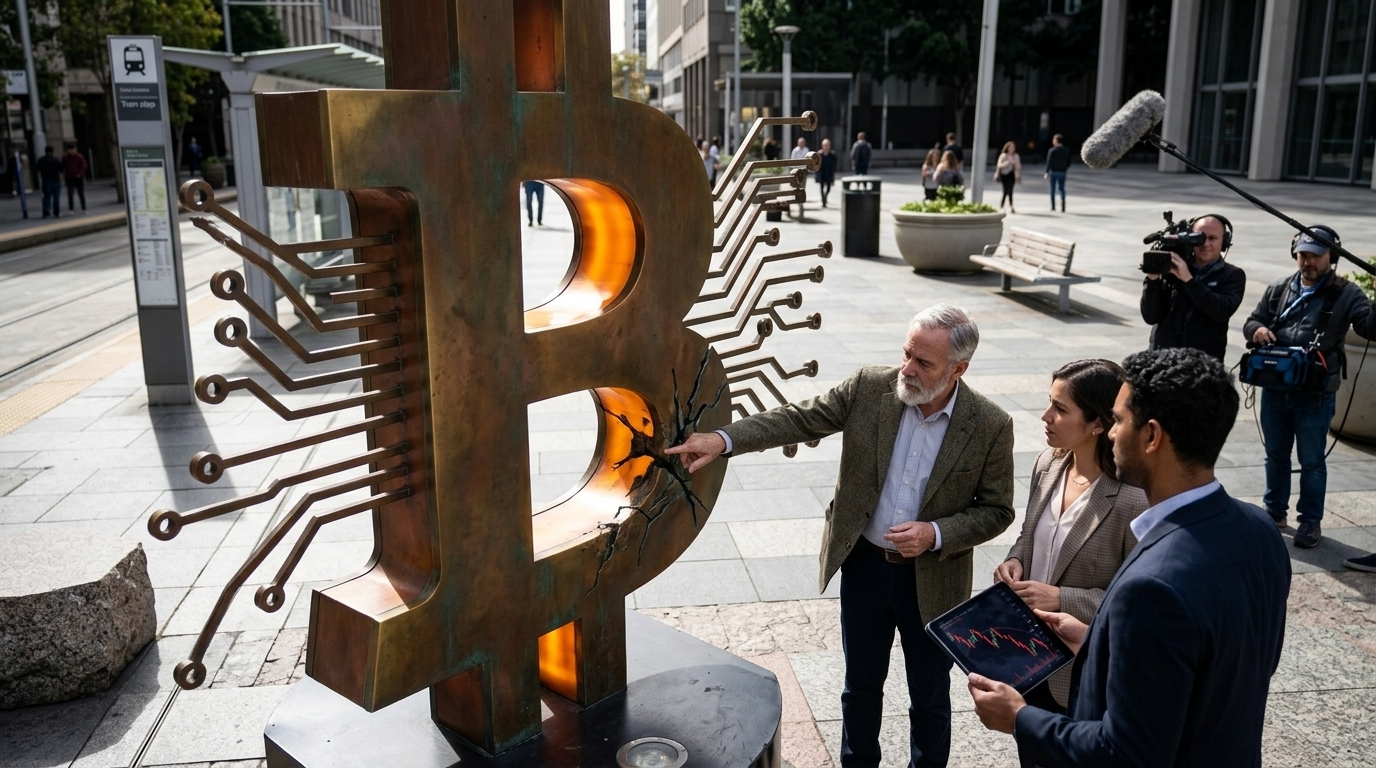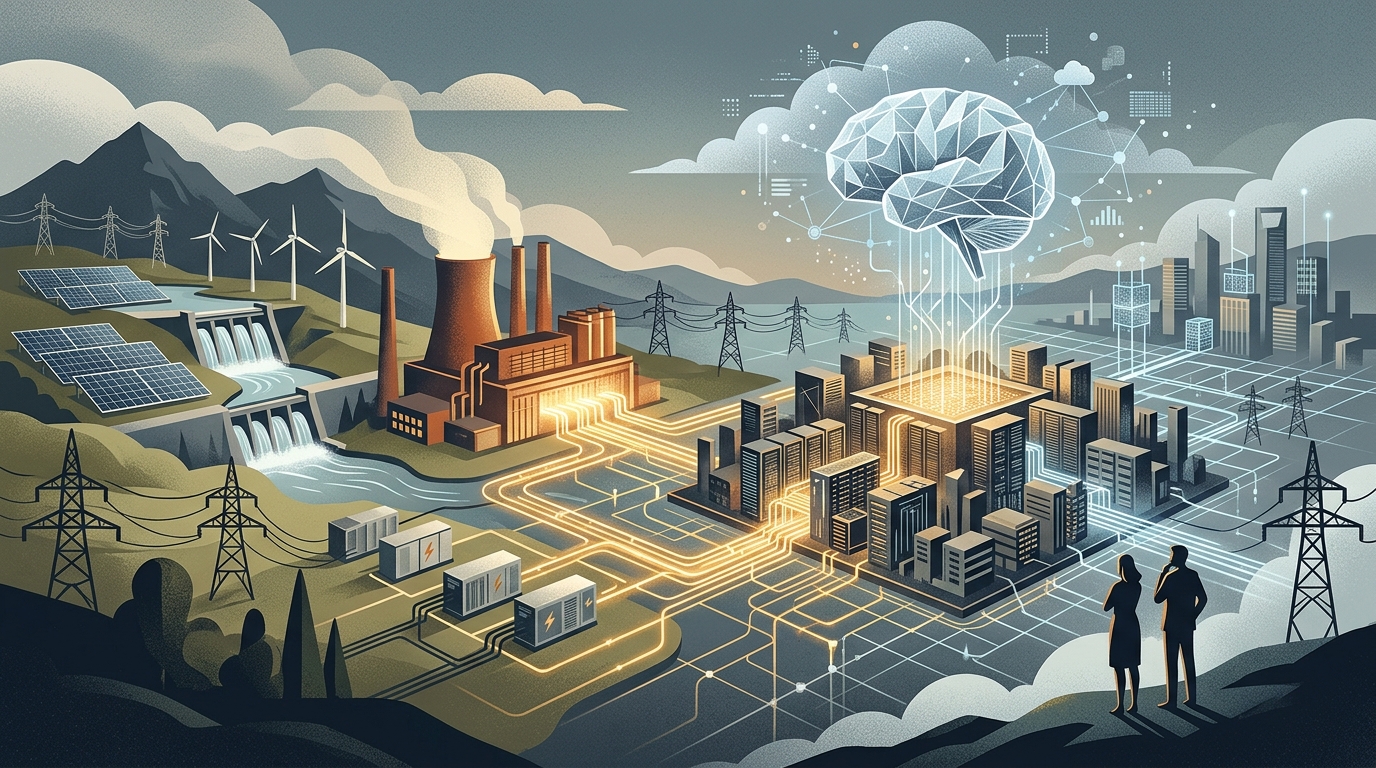

As we close the final week of May 2026, the global markets are presenting a fascinating, if somewhat contradictory, landscape. At 'Η Αγορά', we are observing what I term the 'Great AI Convergence'—a moment where the unbridled optimism of artificial intelligence valuations is meeting the hard physical reality of energy constraints and hardware scarcity. Despite a persistent 'Oil Shock' that has pushed energy inventories to operational lows, equity markets remain resilient, driven by a fundamental restructuring of the global economic map.
The New Commodities: HBM and the Energy Realism
For decades, oil was the undisputed lifeblood of the global economy. In 2026, it shares that throne with High Bandwidth Memory (HBM). The 'HBM Hegemony' is no longer a theoretical tech trend; it is a macroeconomic pillar. As AI models grow in complexity, the demand for specialized memory has created a supply-demand imbalance that mirrors the energy crises of the 20th century. This 'New Oil' is dictating the valuations of semiconductor giants and shaping the 'Great Compute Land Grab' we see in the data center sector.
The paradox of 2026 is that while energy prices surge, tech valuations remain buoyant. This suggests that the market views AI not as a discretionary expense, but as the primary tool for navigating the very inflationary pressures that energy costs create.
However, the 'Oil Shock 2026' cannot be ignored. Energy titans are warning of soaring prices, which creates a significant headwind for the massive power requirements of new AI data centers. We are seeing a strategic shift toward 'Energy Realism'—investors are no longer just looking at FLOPs (floating-point operations per second), but at Watts-per-token. Companies that can bridge the gap between high-performance compute and energy efficiency are the ones capturing the 'Sovereign AI' wealth map.
The Greek Perspective: Logistics and Tourism 4.0
Closer to home, the Greek market is positioning itself as a strategic node in this re-mapped Mediterranean. The Elefsina Port tender is a prime example of 'Logistics 4.0'. It is no longer just about moving containers; it is about creating a tech-integrated energy and logistics hub that serves the data-heavy corridors of the Eastern Mediterranean. By combining strategic geography with AI-driven logistics, Greece is increasing its market cap through infrastructure that serves both the old world of energy and the new world of data.
Furthermore, 'Tourism 4.0' is proving to be the arbitrage opportunity Greece needed. By utilizing AI for predictive demand modeling and personalized luxury services, the Greek tourism sector is decoupling its revenue growth from pure visitor volume, focusing instead on high-value, tech-enhanced experiences. This is a critical evolution for the Athens Stock Exchange, as traditional sectors adopt 'AI-multiplier' strategies to protect margins against rising global costs.
Market Implications and the Powell Factor
The resilience of the markets is also a testament to institutional stability. Jerome Powell’s defense of Fed independence against political populism has provided a necessary anchor. In a world of 'Oil Shocks' and 'Compute Land Grabs', a predictable monetary policy is the only thing preventing market volatility from turning into a full-scale retreat. For investors, the takeaway is clear: the next decade belongs to those who control the 'Dual Scarcity'—energy and compute. We recommend a balanced exposure to core AI infrastructure, sovereign energy providers, and the 'under-the-radar' silicon designers who are solving the efficiency paradox.