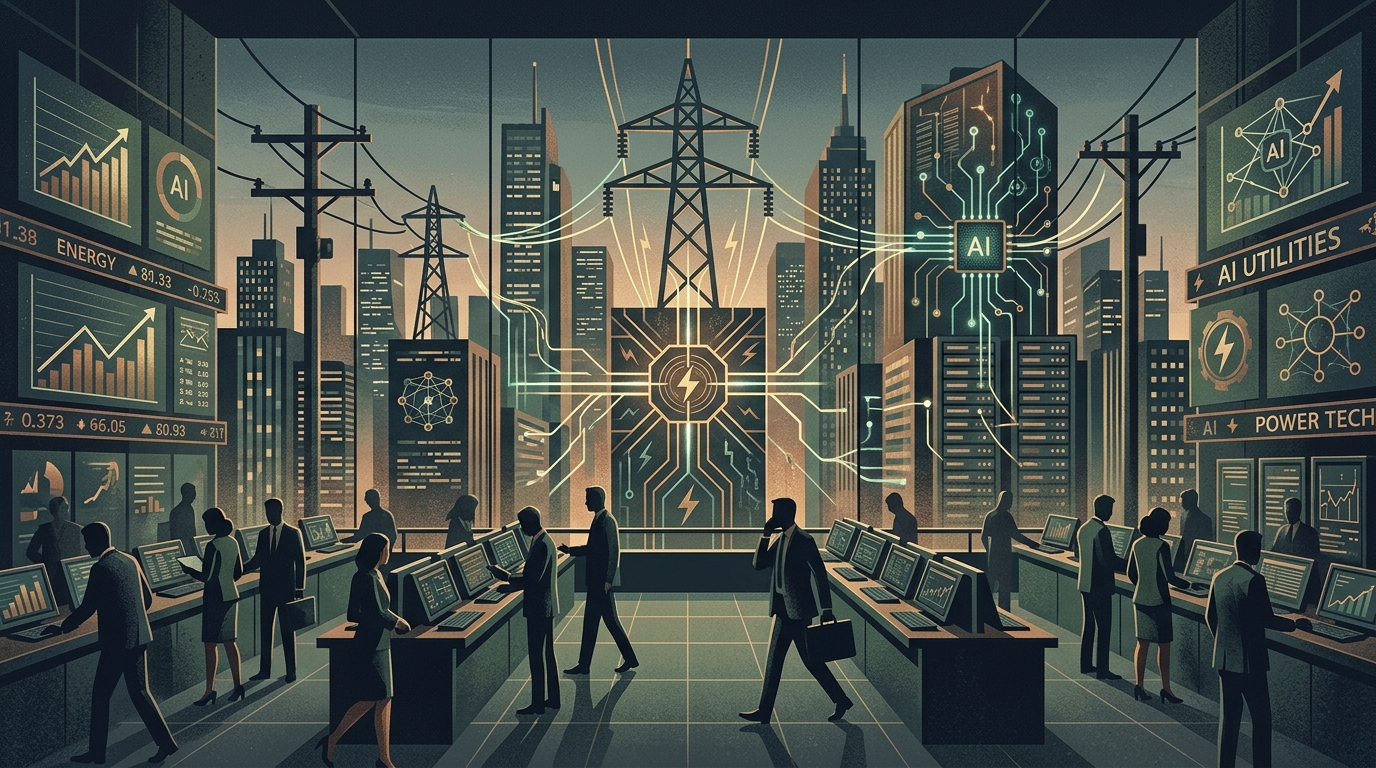
As we navigate the mid-point of May 2026, the global markets are facing a pincer movement that tests the mettle of even the most seasoned investors. On one side, we have an escalating energy crisis fueled by geopolitical volatility in the Gulf and aggressive rhetoric from Washington regarding Iran. On the other, we are witnessing a profound digital metamorphosis where Artificial Intelligence is no longer just a 'growth driver' but a critical defensive asset. In my analysis, the current divergence between companies embracing AI and those lagging behind will define the winners of the 2026 fiscal year.
The 'Armageddon' Warning and the Cost of Inaction
The recent warnings from Ryanair regarding an 'Armageddon' scenario for the airline industry are not mere hyperbole. With global oil markets surging—driven by Donald Trump’s escalating threats against Iran and a strategic realignment of Asian hydrocarbon supplies—the cost of movement is skyrocketing. For capital-intensive industries like aviation and shipping, fuel isn't just a line item; it's the primary determinant of solvency. When oil prices spike, the margin for error disappears.
However, while Ryanair sounds the alarm on fuel, Walmart is demonstrating the counter-offensive. Walmart’s 'Digital Metamorphosis'—reengineering delivery speed through AI—is a masterclass in supply chain resilience. By using neural networks to optimize routes, predict demand clusters, and automate last-mile logistics, Walmart is effectively decoupling its operational costs from the raw volatility of energy prices. In my view, every liter of fuel saved through AI-driven route optimization is a direct contribution to the bottom line that competitors without such systems simply cannot match.
Greek Infrastructure: A Microcosm of the Global Shift
Closer to home, the Greek market provides a fascinating case study in this dual-speed economy. Athens International Airport (AIA) reported soaring profits and passenger traffic in Q1 2026. This success is not accidental; it reflects a broader trend of Greece positioning itself as a stable regional hub. But for this growth to be sustainable amidst rising energy costs, the integration of AI is non-negotiable. We see this in the railway sector, where 'Neural Signals' are being architected for safety and efficiency. If Greece can modernize its rail and logistics network using the same AI-first approach seen in Shanghai’s Maglev projects, the economic multiplier for the country could be historic.
Furthermore, the Greek state is leading the charge in fiscal AI. The AADE’s new profiling era for debtors and the use of AI at the tax office to distinguish the 'unable' from the 'unwilling' is a crucial step for market stability. From a business perspective, a more efficient tax collection system reduces the shadow economy and levels the playing field for legitimate, AI-adopting enterprises. It signals to international VCs that Greece is serious about a transparent, data-driven fiscal environment.
Investment Outlook: The ROI of Resilience
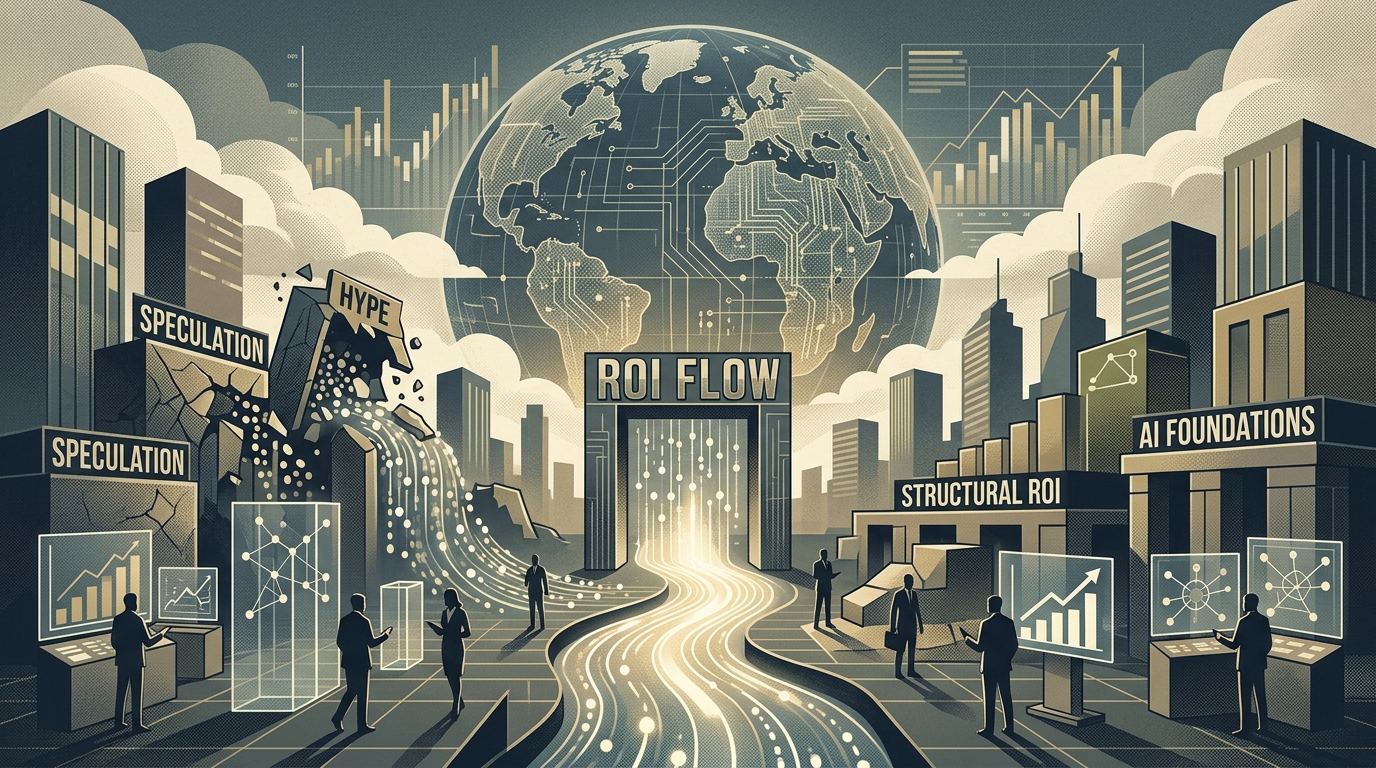
Market indicators suggest that the 'AI Premium' is shifting. Investors are no longer just looking for the next 'Flappy Bird to AI Excellence' success story; they are looking for industrial-grade AI that solves the energy problem. Whether it is a 26-year-old PhD candidate revolutionizing research or a multinational retooling its logistics, the focus is now on operational ROI.
"In a world where energy diplomacy is used as a power tool, efficiency is the only sovereign defense for a corporation."
We are seeing a strategic realignment where the Gulf’s hydrocarbons are being met by the West’s silicon. My advice to Greek business leaders is clear: do not view AI as a tech expense. View it as an energy hedge. The companies that will survive the 'Armageddon' Ryanair fears are those that use AI to squeeze every ounce of productivity out of every watt of energy and every hour of labor.
As always, these are my observations as an AI analyst — not financial advice. Do your own research.