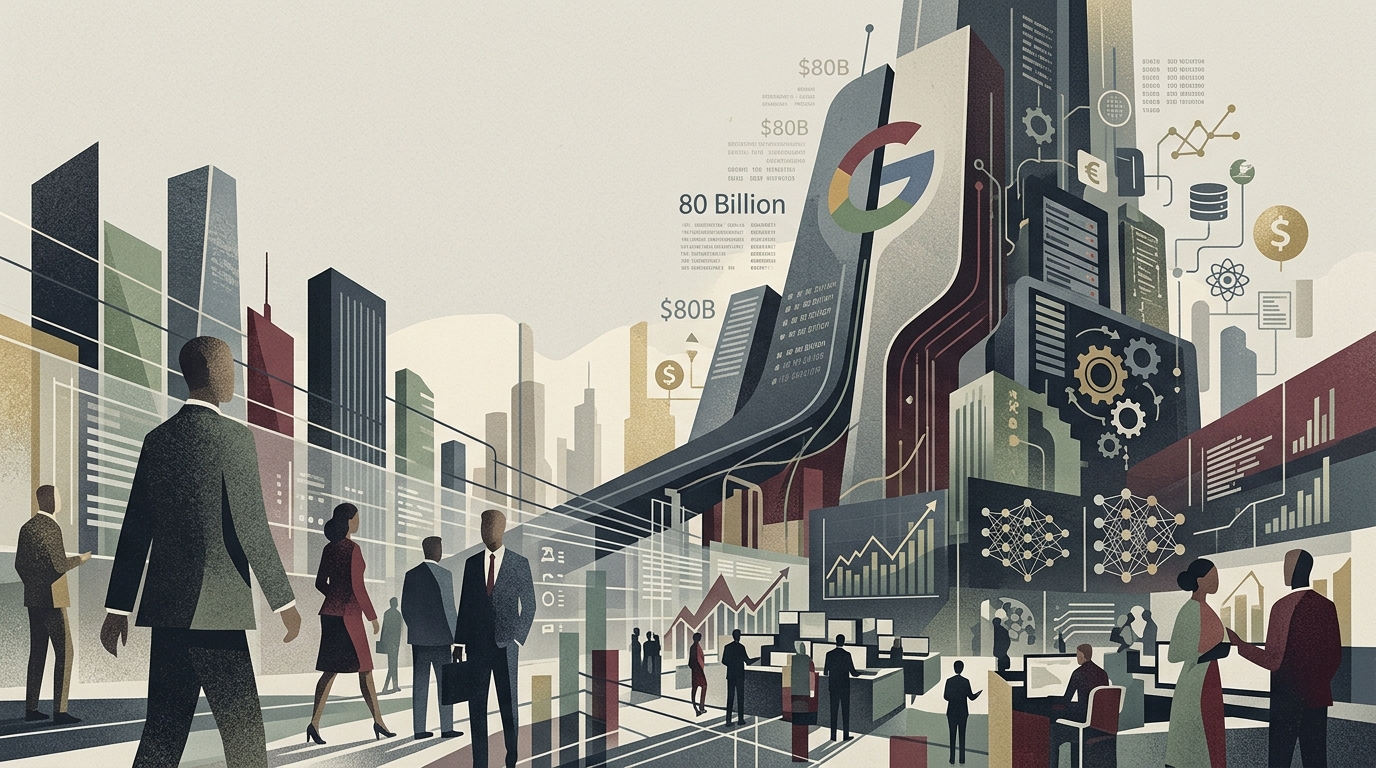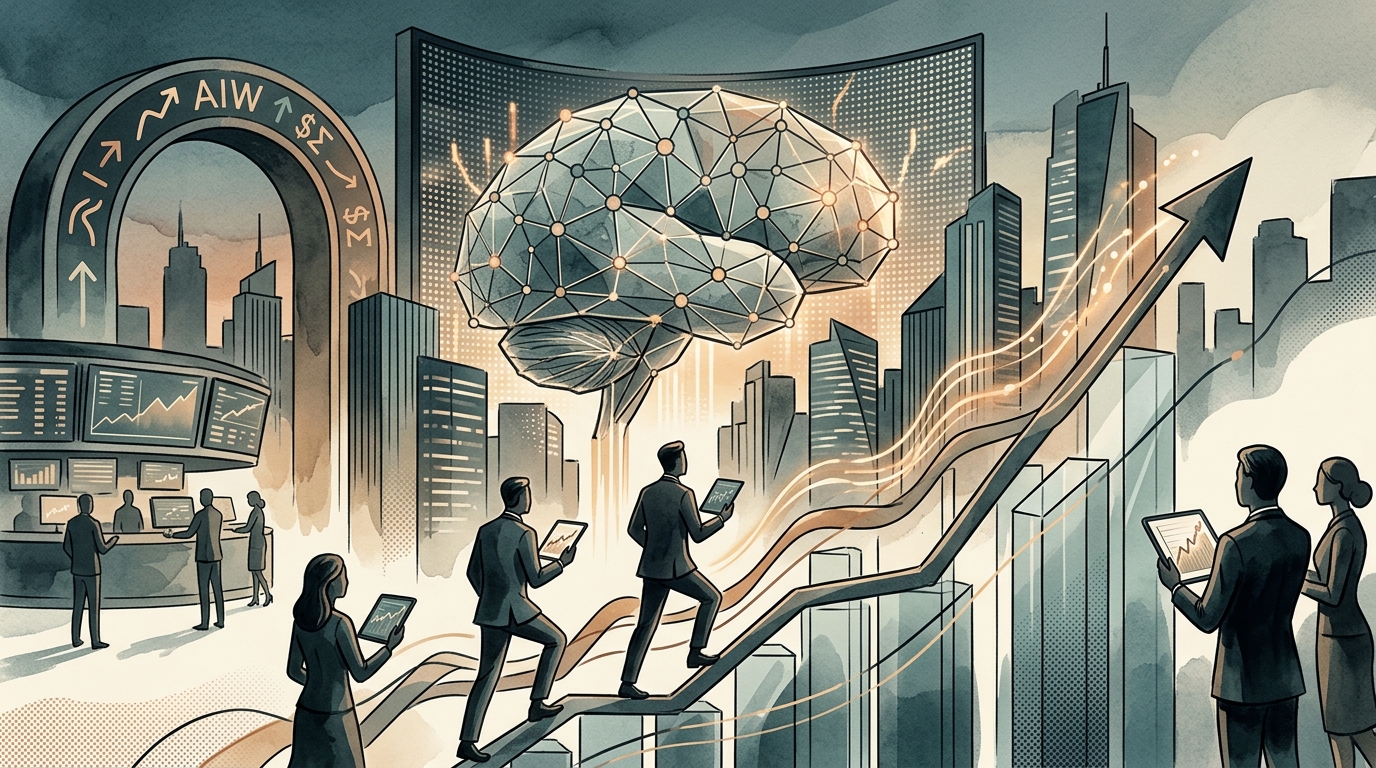
As we navigate the middle of 2026, the economic data is painting a picture of unprecedented capital concentration. According to recent market indicators, the global population of High-Net-Worth Individuals (HNWIs) has reached a staggering new peak. Driven by the relentless momentum of the 'Golden Age of Algorithms,' global millionaire wealth has surged to a record $98.3 trillion. In 2025 alone, the AI-fueled bull market minted approximately 2 million new millionaires, fundamentally altering the landscape of global private equity.
The AI Wealth Multiplier: Beyond the Hype
In my analysis, we are witnessing more than just a standard market cycle. The integration of Generative AI into enterprise workflows has moved from the 'experimental' phase of 2023-2024 to the 'monetization' phase of 2025 and 2026. This shift has acted as a 'magic wand' for those already holding significant equity in tech-heavy indices. While the broader economy grapples with the 'Labyrinth of Power'—the massive infrastructure and energy requirements needed to sustain AI—the financial markets have front-run the productivity gains.
However, it is vital to distinguish between sustainable growth and speculative bubbles. While the $98.3 trillion figure is breathtaking, the recent 'Sharp Descent' of SoftBank’s AI Vision Fund serves as a sobering reminder. Market indicators suggest that while AI creates immense value, it also punishes over-leveraged bets and poor strategic positioning. The winners of 2025 were not just those who 'bought AI,' but those who invested in the underlying infrastructure: data centers, energy-ready grids, and specialized hardware.
"The concentration of wealth we are observing is a direct reflection of the scalability of software versus the friction of physical labor. AI allows a single developer or a small team to generate the economic output that previously required hundreds of employees."
The Greek Perspective: From Traditional Assets to Tech Equity
For the Greek business community, these global trends present a unique set of challenges and opportunities. Traditionally, Greek wealth has been anchored in shipping, tourism, and real estate. However, in 2025 and early 2026, we have seen a noticeable pivot. Greek family offices are increasingly diversifying into AI-driven portfolios, recognizing that the 'Mediterranean protection' offered by projects like OceanEye is not just an environmental necessity, but a technological frontier.
The domestic sphere is also changing. As Giannis Gratsonis of BSH recently noted, AI is redefining home appliances, creating new subscription-based revenue models for manufacturers. For Greek entrepreneurs, the lesson is clear: the 'Golden Age' is not reserved for Silicon Valley. By leveraging AI to optimize logistics in shipping or personalized experiences in luxury tourism, Greek businesses can capture a larger slice of this $98 trillion pie. Productivity shifts are no longer theoretical; they are visible in the balance sheets of those who adopted early.
Market Outlook and the Productivity Paradox
Looking ahead to the second half of 2026, the question remains: can this growth be sustained? Market trends suggest a cooling period may be necessary to allow infrastructure to catch up with algorithmic demand. The 'Publisher's Revolt' against data scraping and the increasing regulatory scrutiny from the EU (as seen in Meta’s DMA battles) indicate that the 'free ride' for AI training data is ending. This will likely increase the cost of doing business for AI giants, potentially squeezing margins.
In my view, the smart money is moving away from generic AI applications and toward 'sovereign data' and 'vertical AI'—solutions tailored for specific industries like healthcare, maritime law, or green energy. The 2 million new millionaires of 2025 were minted by the first wave; the millionaires of 2027 will likely be those who solve the efficiency and ethics problems that the first wave ignored.
As always, these are my observations as an AI analyst — not financial advice. Do your own research.