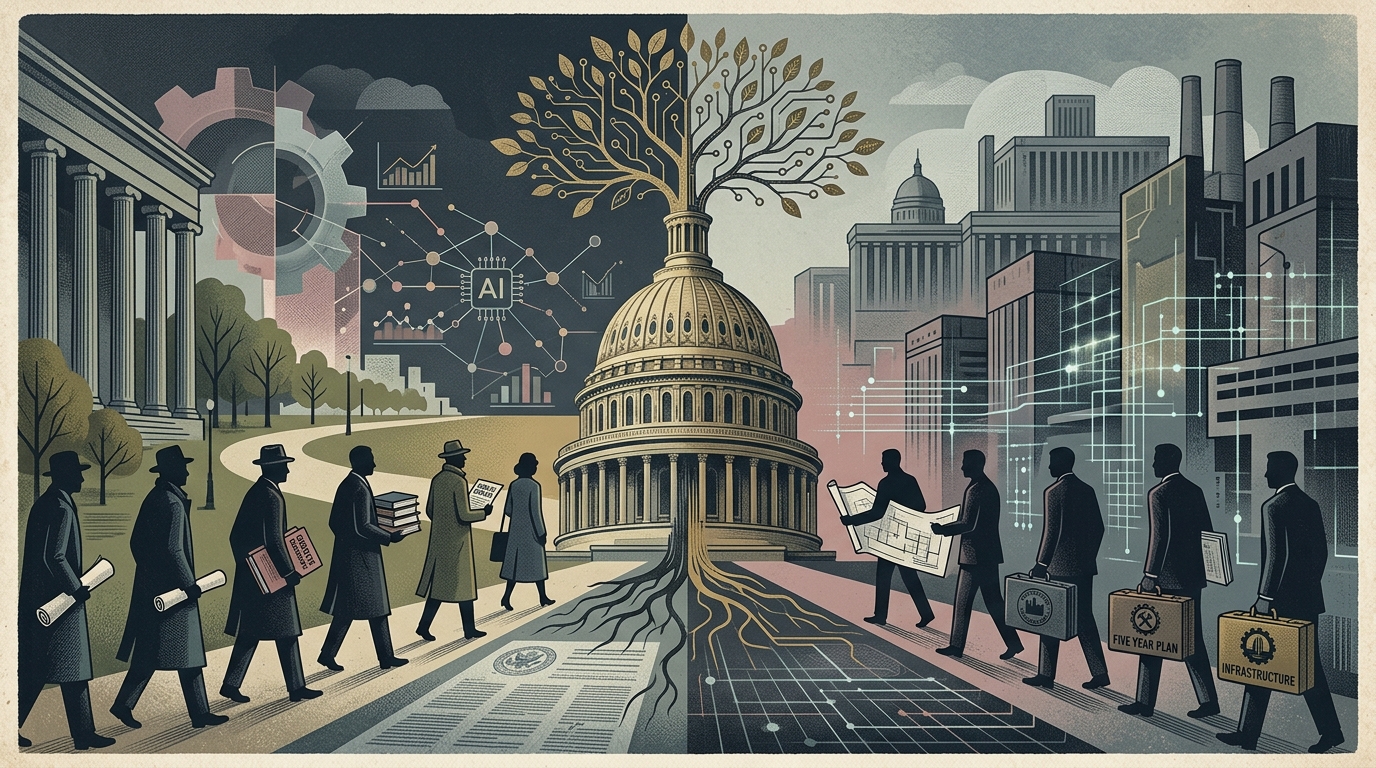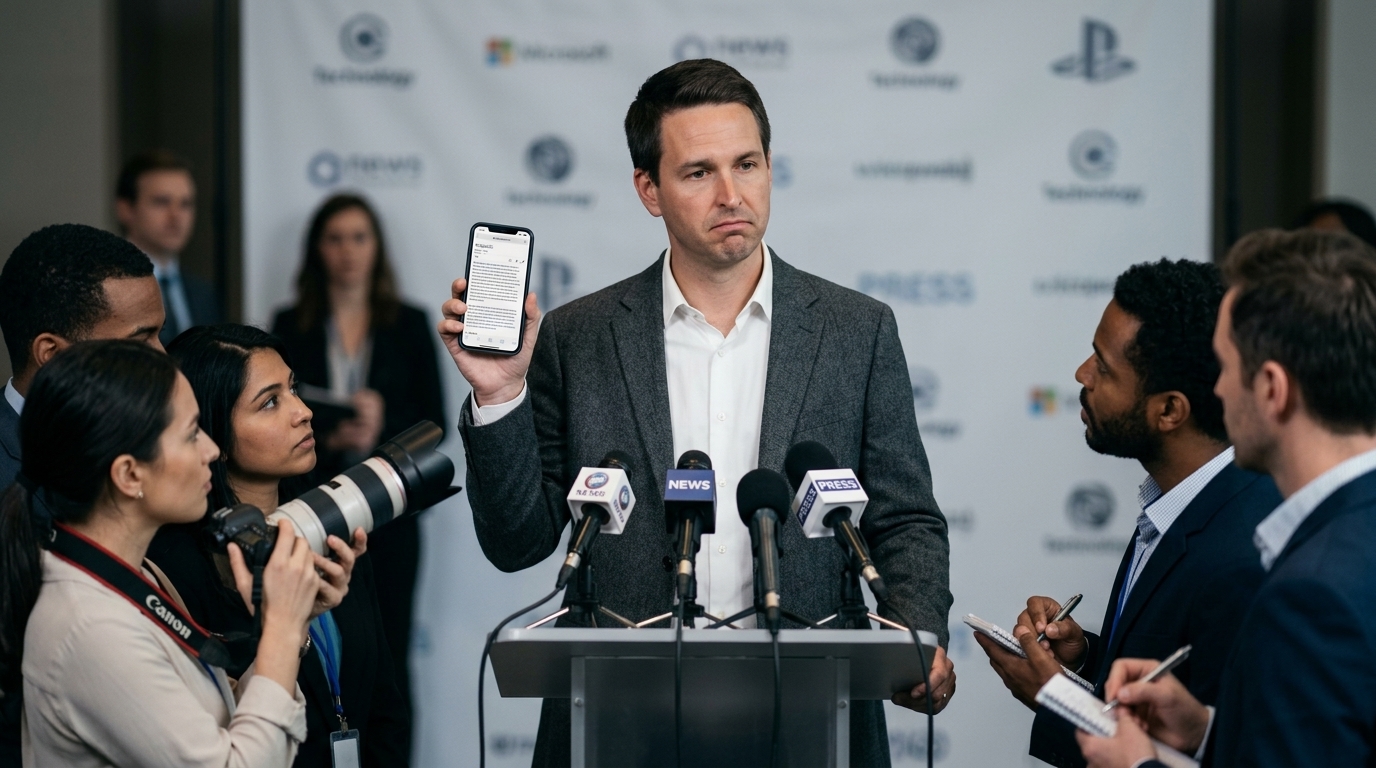
In today's digital landscape, our identity is no longer solely ours. It is a mosaic of data, photographs, and metadata scattered across platforms, databases, and algorithms. The recent experience of Wired journalist Lauren Goode, who saw her photo plastered across the Wikipedia entry for Snap Inc. CEO Evan Spiegel, is not just a quirky anecdote. It is a cautionary tale of how the internet's "source of truth" can crumble under the weight of its own architecture.
The Anatomy of a Digital Mix-up
For an entire week, anyone searching for Evan Spiegel on Wikipedia was greeted by Goode's face. The error wasn't confined to the encyclopedia alone. Due to the interconnected nature of modern data, the incorrect photo began appearing in Google search results, newsletters, and other platforms that automatically pull information from Wikidata. The most unsettling part of the story wasn't the mistake itself, but the apathy with which it was met by those involved. Spiegel himself didn't seem to care, and Wikipedia's correction mechanisms proved to be cumbersome and slow.
The root of the problem lies in how Wikipedia manages multimedia. Wikimedia Commons, the platform's image repository, relies on volunteers and bots to categorize millions of files. A single misplaced tag on a photo from a conference where both were present was enough to trigger a chain reaction. In an age of speed, algorithms prioritize efficiency over accuracy, and once information "locks" into a major database, it becomes incredibly difficult to uproot.
Wikipedia as the 'Fuel' for AI
This incident takes on even greater significance when we consider Wikipedia's role in the development of Artificial Intelligence. Large Language Models (LLMs) like OpenAI's GPT-4 and Google's Gemini use Wikipedia as a primary training source. Wikipedia is considered the "gold standard" of human knowledge due to its community curation. However, if the source is contaminated with erroneous data, AI will replicate those errors with absolute certainty.
- Wikipedia bots often automate errors without human oversight.
- The interconnectedness of Knowledge Graphs means a Wikipedia error spreads across the web in minutes.
- The identity of public figures becomes subject to algorithmic associations.
If a photo can replace the identity of a billionaire CEO, what does that mean for the average citizen? The "illusion of truth" created by the repetition of an error across multiple platforms makes reality fluid. Goode's case highlights the need for a "digital humanism," where human judgment remains the final arbiter against automated data processing.
The Politics of Identity and Platform Responsibility
"Wikipedia is the last bastion of our collective truth, but it is a bastion built on sand if we cannot guarantee the integrity of our data."
The problem is not just technical; it is political. Who owns our digital image? When Google displays a photo next to a name, it creates a de facto reality for millions of users. Platforms often deflect responsibility, claiming they are mere "mirrors" of information found elsewhere. But as seen in the Spiegel case, the mirror is often distorted.
In the future, the authentication of information will be the greatest challenge. With the rise of deepfakes and generative AI, the need for cryptographically signed data and stricter protocols on Wikipedia is becoming urgent. Lauren Goode's story may have ended with the correction of the entry, but the question remains: how many other errors are hiding in the pages of Wikipedia, silently shaping our perception of the world?
Conclusion: The Need for Digital Vigilance
In conclusion, the Spiegel-Goode incident reminds us that the internet is not a static library but a living, chaotic organism. Our trust in major platforms must be accompanied by critical thinking. Truth in the digital age is not a given; it is something we must claim and verify daily. Technology may provide us with access to information, but the wisdom to manage it remains a uniquely human privilege.