The image of a traditional auto repair shop, with mechanics covered in grease and the staccato sound of pneumatic wrenches echoing through the bays, appears to be nearing its twilight. A new technological breakthrough from the United States promises to transform one of the most arduous and time-consuming car maintenance tasks—tire replacement—into a precision process akin to surgery. RoboTire, a Michigan-based startup, has unveiled a system that merges advanced industrial robotics with artificial intelligence, completing a full four-tire swap in less than 20 minutes.
The Technology Powering the Robotic Mechanic
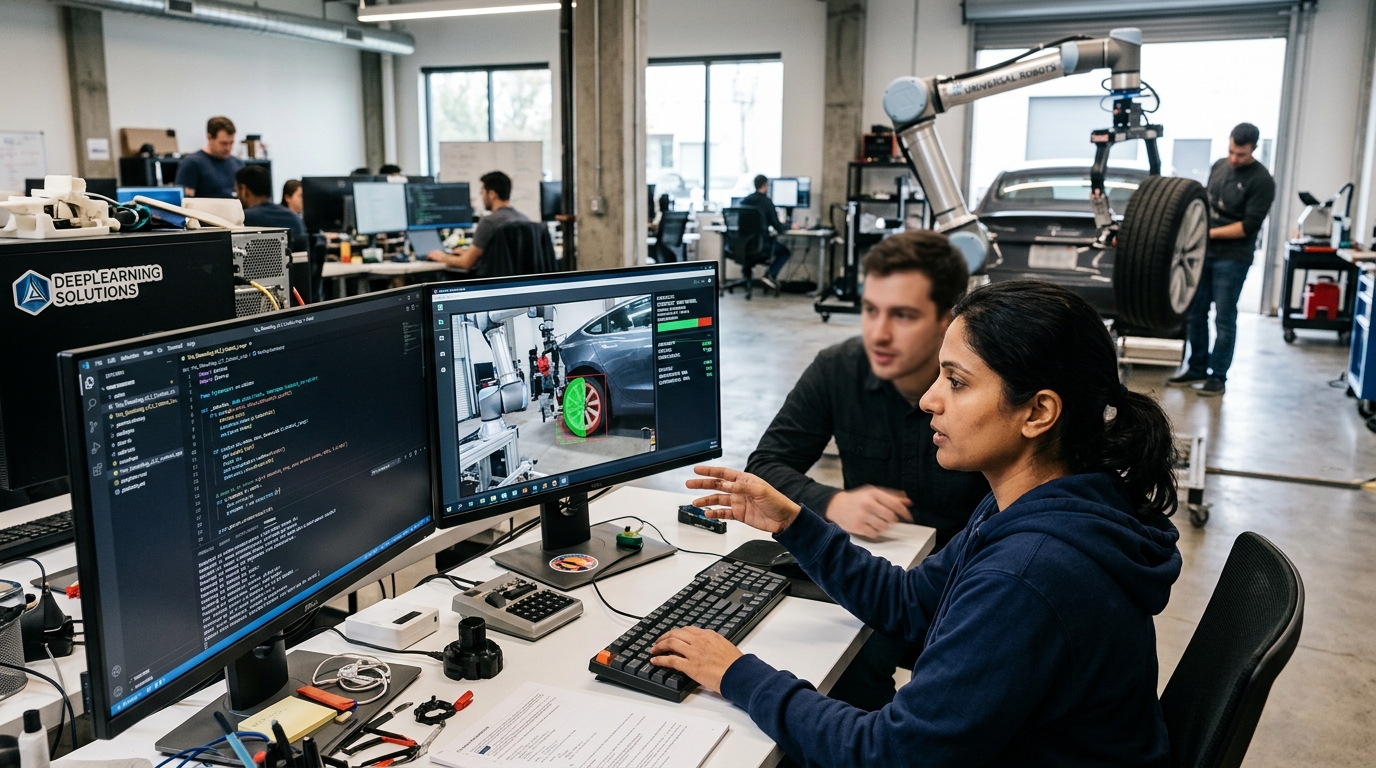
This system is far from a simple automated arm. It is built upon sophisticated computer vision algorithms that allow the robots to 'see' and interpret the unique geometry of every vehicle. When a car enters the service bay, high-resolution cameras scan the wheels, identifying lug nut positions and rim conditions with millimeter precision. This adaptability is crucial, as every vehicle model comes with different specifications, offsets, and torque requirements.
AI plays a central role in real-time decision-making. Should the robot encounter a seized bolt or unusual wear patterns, the algorithm adjusts the tool's pressure and angle to prevent damage to the vehicle. This level of intelligence moves beyond rote automation into the realm of cognitive robotics, where the machine learns and refines its movements with every iteration, ensuring a level of consistency that human fatigue often compromises.
Economic and Operational Implications
For fleet owners and large-scale service centers, time is the ultimate currency. A traditional tire change can take anywhere from 45 minutes to over an hour, depending on shop capacity and technician experience. Cutting this time by more than half means a service center can effectively double its daily throughput. Furthermore, the deployment of robots drastically reduces the risk of workplace injuries associated with heavy lifting and repetitive strain—common issues in the automotive service industry.
However, the adoption of such systems inevitably raises questions about the future of labor in the sector. While RoboTire maintains that its robots are designed to augment human workers by handling the 'heavy lifting,' it is clear that the profile of the automotive technician is evolving. The 'mechanic of the future' may require more expertise in robotics maintenance and software troubleshooting than in traditional manual labor.
The Future of Automotive Service
This shift aligns with a broader trend of digitization within the automotive industry. With the rise of electric vehicles (EVs), which require less mechanical maintenance but often demand more frequent tire changes due to their increased weight from battery packs, the need for rapid, efficient tire service is becoming paramount. AI-driven systems are no longer just a futuristic concept; they are becoming a necessity for the operational viability of modern service hubs.
- Significant reduction in customer wait times.
- Enhanced precision and safety during the mounting process.
- Capability for 24/7 operation without performance degradation.
- Seamless adaptability to various vehicle types, from sedans to light trucks.
In a world moving at breakneck speed, artificial intelligence is finding its way beneath the chassis of our vehicles, proving that innovation isn't just about the software on our screens, but about the physical labor that keeps our world in motion.