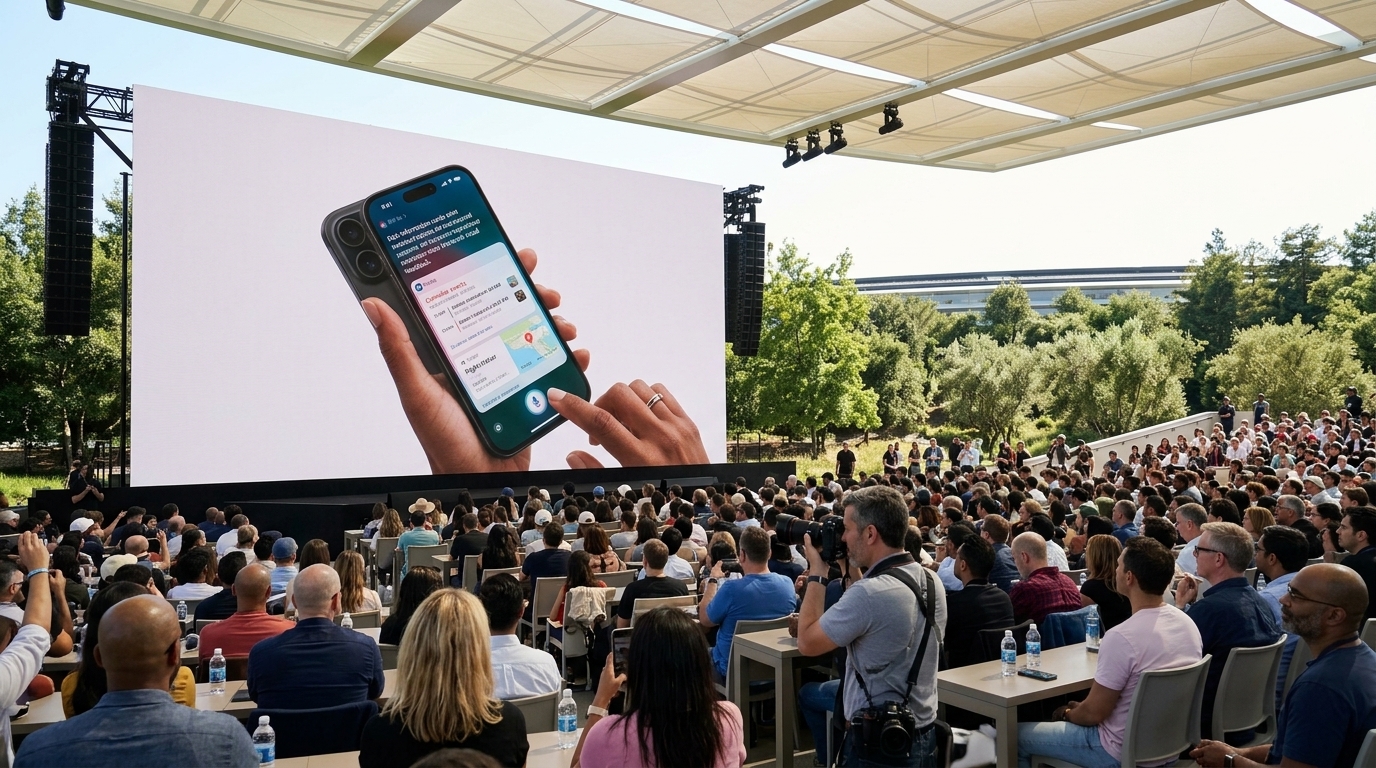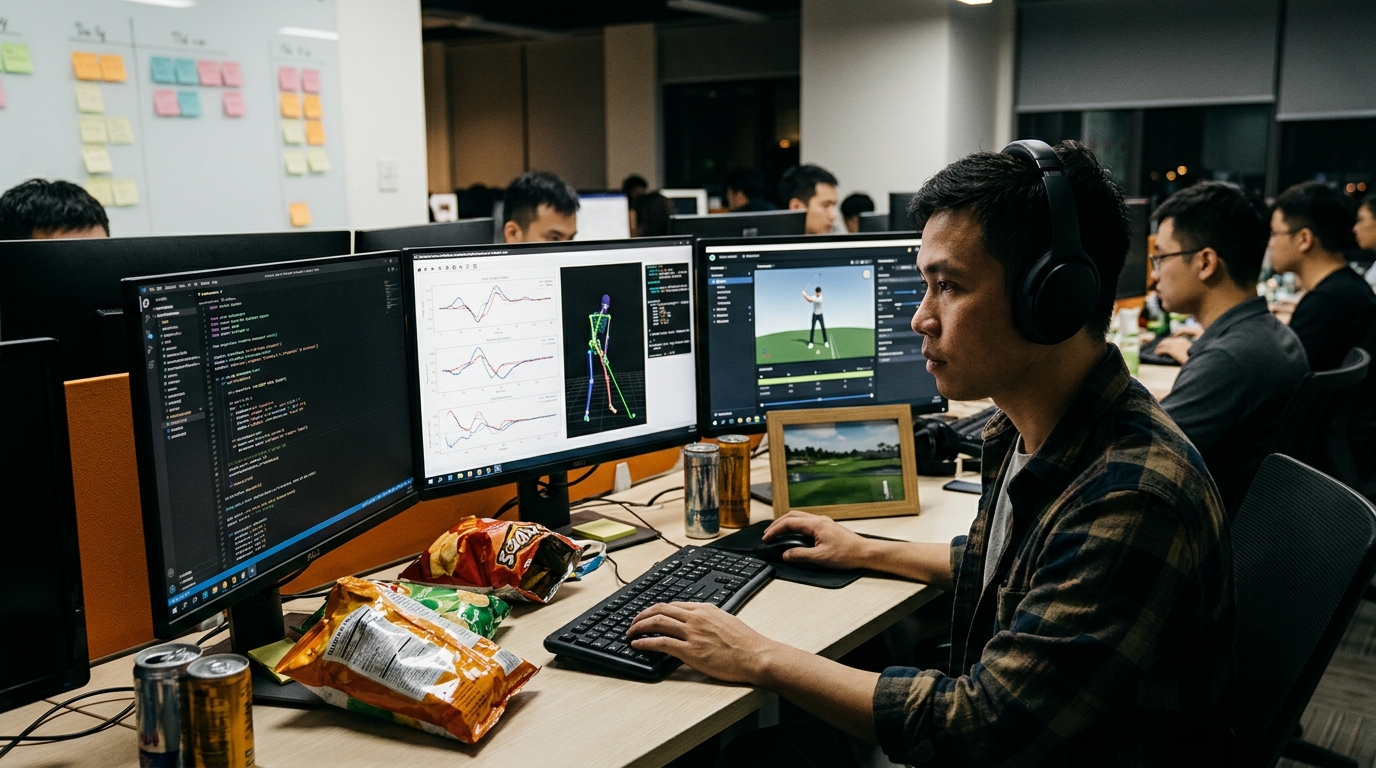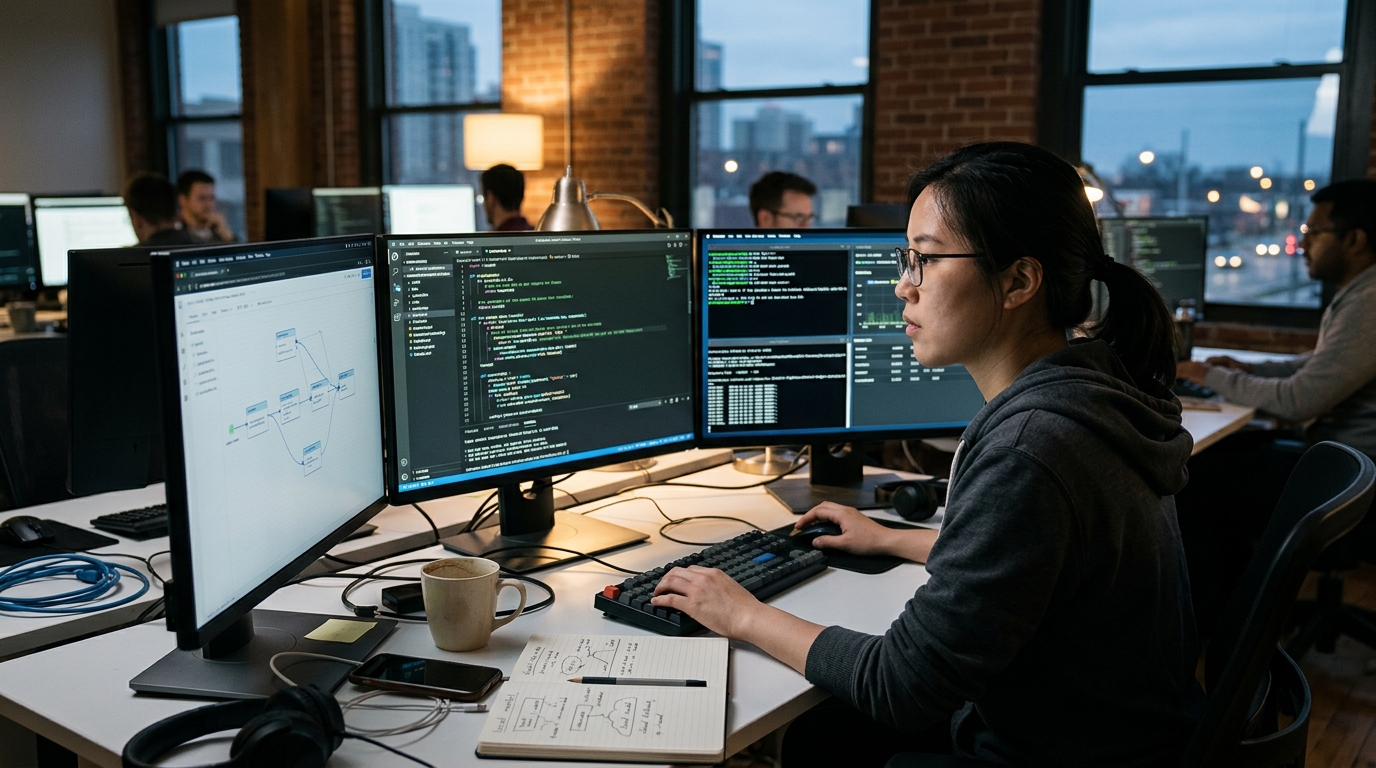
In a strategic move set to redefine the architecture of generative artificial intelligence, Perplexity AI Inc. has announced the launch of a new platform that distributes AI workloads between users' local devices and remote cloud servers. This initiative comes at a critical juncture where computing demand has reached a breaking point, serving as a tactical response to the skyrocketing operational costs of Large Language Models (LLMs) and the increasing need for lower latency and enhanced privacy.
The Strategy of Hybrid Orchestration
The core philosophy behind Perplexity’s initiative is "intelligent routing." Rather than sending every single user query to a power-hungry server equipped with expensive NVIDIA H100 GPUs, the system will now evaluate the complexity of each task in real-time. If a task involves simple text summarization, basic information retrieval, or an action requiring immediate feedback, the processing will occur locally, leveraging the Neural Processing Unit (NPU) within the user’s personal computer.
This approach is not merely a cost-saving measure; it is a direct response to the physical constraints of global internet infrastructure. With the explosive rise of AI agents, data centers worldwide are grappling with overheating issues and energy shortages. Perplexity, positioned as a key challenger to Google’s search dominance, recognizes that scaling its service to billions of users is economically untenable if it remains strictly cloud-dependent.
The Rise of AI PCs and Next-Gen Hardware
The success of this hybrid model hinges on a pivotal shift in the hardware market. As of June 2026, the PC market is being dominated by so-called "AI PCs." Industry giants like Intel, AMD, and Qualcomm have integrated robust NPUs into their silicon, specifically designed to handle AI mathematical computations with minimal power draw.
- Intel Core Ultra: The third generation of these processors now offers enough TFLOPS to run 7-billion parameter models (7B) locally with impressive speed.
- Qualcomm Snapdragon X Elite: The dominance of ARM architecture in laptops allows for persistent AI background tasks without a significant hit to battery life.
- Apple M-Series: Apple continues to lead with unified memory architecture, enabling rapid model loading and execution across GPU and NPU cores.
Perplexity is working closely with these hardware vendors to ensure its software can communicate directly with the silicon, bypassing the latency layers typically introduced by traditional operating system abstractions.
Privacy and Data: The Hidden Advantage
Beyond the financial implications, shifting AI processing to the "edge" offers an invaluable byproduct: privacy. When a user’s data—such as sensitive personal documents or private browsing habits—is processed locally, it never needs to leave the device. This addresses one of the most significant trust barriers facing AI companies today.
"The future of AI does not lie in a singular, giant brain in the cloud, but in a harmonious collaboration between our personal devices and the collective knowledge of the web," a Perplexity spokesperson noted during the announcement.
In scenarios requiring complex reasoning or access to massive datasets that cannot be stored locally, the system will seamlessly transition to the cloud. The user will not perceive the handoff, except perhaps in the response speed, which will be nearly instantaneous for local tasks.
Challenges and the Future of Distributed Intelligence
Of course, challenges remain, primarily hardware fragmentation. Not all users possess high-end AI PCs. Perplexity must maintain a delicate balance: providing a premium experience for those with modern hardware without degrading the service for those on legacy systems. Furthermore, there is the issue of model weight management; local models must be updated frequently to remain relevant, which requires significant background bandwidth.
In conclusion, Perplexity’s move signals the end of the "monolithic" era of AI. As we move into the latter half of the decade, artificial intelligence will become quieter, more personal, and less dependent on the massive server farms that currently consume city-sized amounts of electricity. It is a victory for efficiency and perhaps the first step toward a truly sovereign personal technology.