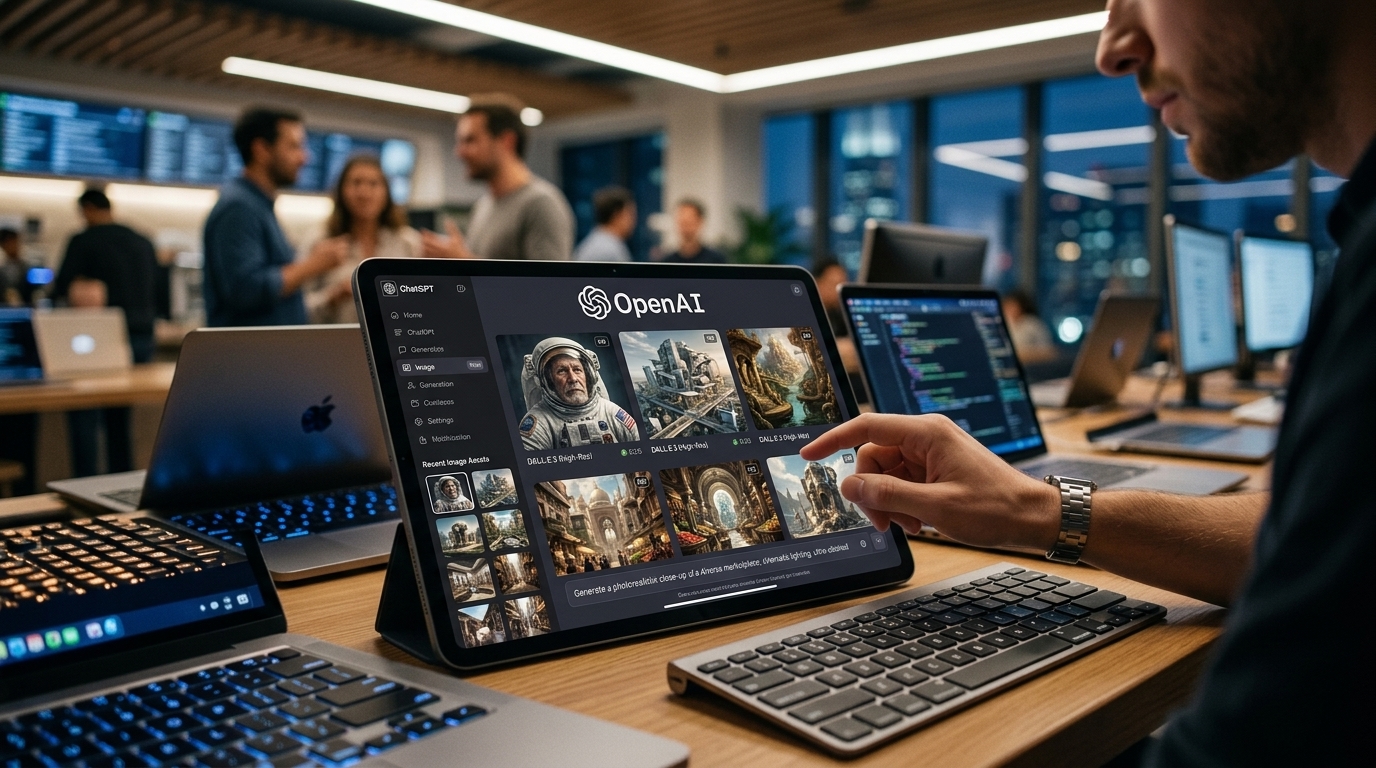
In the ever-evolving landscape of artificial intelligence, visual representation has become the new battlefield for dominance. OpenAI, the company that ignited the global frenzy with ChatGPT, has announced a significant upgrade to its platform's image generation capabilities. The new model, unofficially dubbed ChatGPT Images 2.0, promises to bridge the gap between user imagination and digital reality, focusing on two areas that have historically been the 'Achilles' heel' of image generators: text rendering and detail fidelity.
The Architecture of Visual Precision
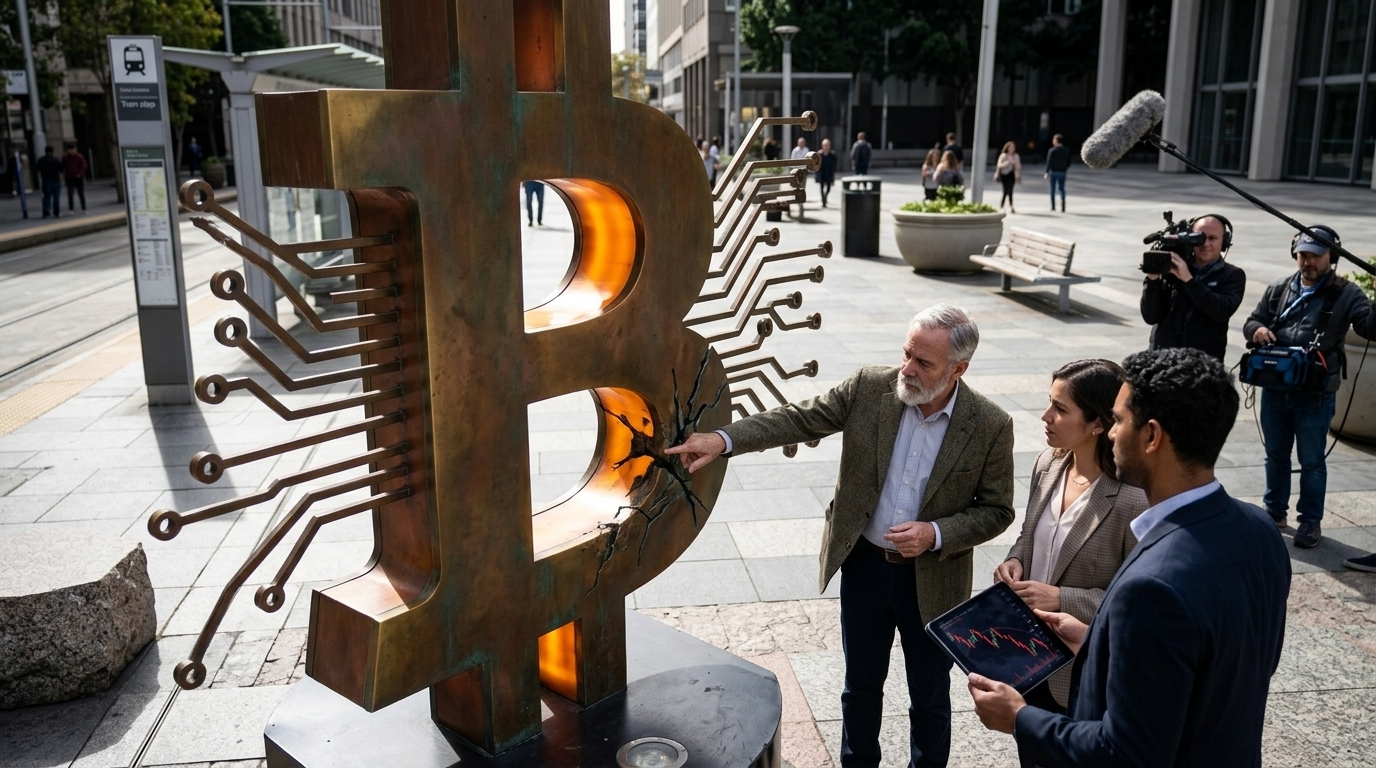
This upgrade is not merely an aesthetic improvement; it is a profound architectural overhaul of how the model interprets prompts. According to tests conducted by industry experts, ChatGPT Images 2.0 demonstrates an impressive ability to understand complex spatial relationships. If you request an image where 'a red apple is to the left of a blue vase, on a wooden table with a crack in the center,' the model now rarely fails to place the objects in the correct sequence.
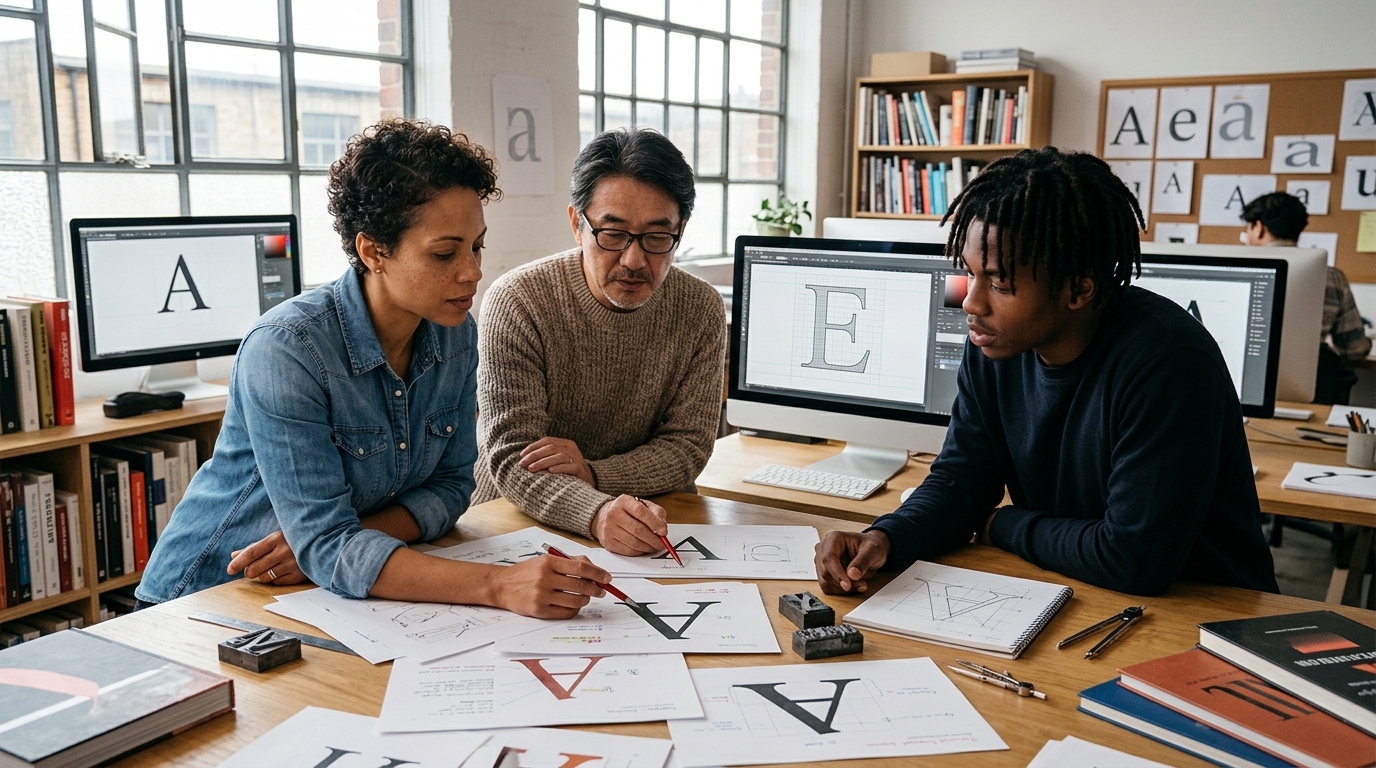
The most striking feature, however, is text rendering. Until recently, adding words within an image often resulted in gibberish symbols reminiscent of 'AI hieroglyphics.' With the new version, OpenAI has managed to train the model to recognize the structure of letters and words as autonomous entities. This opens new horizons for graphic designers, advertisers, and content creators who wish to create posters, book covers, or logos directly within the ChatGPT environment.
The 'Linguistic Exclusion' and the Non-English Challenge
Despite these leaps in progress, the new version highlights a structural problem of large language models: Anglocentrism. While English text rendering is now nearly flawless, the model continues to struggle significantly with languages that use different alphabets or have complex morphology, such as Greek, Arabic, or Cyrillic. In many cases, when a user requests a Greek word to be written, the result is a garbled mix of Latin characters and distorted Greek letters.
This weakness is not accidental. The training datasets used to link image and language remain overwhelmingly oriented toward the English language. For international users and businesses operating in local markets, this means that using the tool for ready-to-use assets remains limited. An additional editing process in software like Photoshop is still required to correct the text, diminishing the efficiency of the 'instant creation' that OpenAI promises.
Clashing with the Competition
OpenAI's move comes at a time when competition is fiercer than ever. The Flux.1 model has impressed the open-source community with its realism, while Midjourney remains the 'king' of artistic aesthetics. Google, on the other hand, with Imagen 3, offers deep integration into the Gemini ecosystem. OpenAI is betting on ease of use: the ability to converse with the model, request real-time changes ('make the light warmer,' 'change the wall color'), and see the result in seconds is its major advantage.
- Improved Photographic Fidelity: The model handles skin textures, shadows, and reflections with much greater accuracy.
- Interactive Editing: Users can select specific areas of an image and request modifications through natural conversation.
- Ethical Guardrails: OpenAI has strengthened filters to prevent the creation of deepfakes of public figures and copyrighted content.
The Future of Visual Creation
The upgrade of ChatGPT Images 2.0 marks the transition from the era of 'experimentation' to the era of 'productivity.' It is no longer a toy that produces quirky images, but a tool that can stand in professional environments. However, OpenAI must solve the problem of linguistic inclusion. In a globalized world, AI cannot speak—or write—only English if it wants to be considered truly universal.
"AI does not replace the artist, but gives them an infinite canvas and a brush that moves at the speed of thought. The challenge is ensuring this brush understands all the world's languages," notes an industry analyst.
In conclusion, OpenAI is taking a bold step forward, but the path to perfection lies through understanding cultural and linguistic diversity. For now, ChatGPT Images 2.0 is a powerful assistant that still needs an experienced 'guardian' to correct its mistakes.