For over four decades, the Personal Computer (PC) has been the ultimate symbol of technological autonomy. The ability to select a motherboard, processor, RAM, and graphics card, and assemble them into a functional machine, formed the bedrock of a global enthusiast culture. However, the dawn of hardware-level Artificial Intelligence (AI) is threatening to bring a definitive end to this era of home-built computing.
The Shift from Modular Systems to AI SoCs
The primary catalyst for this shift is the architectural requirement for running AI models efficiently on-device. New standards for so-called 'AI PCs', such as those set by Microsoft for Copilot+ PCs, demand Neural Processing Units (NPUs) with a performance of at least 40 TOPS (Trillions of Operations Per Second). To achieve this throughput with low power consumption, manufacturers are moving away from traditional modular components in favor of System on Chip (SoC) designs.
In an SoC, the CPU, GPU, NPU, and, crucially, the RAM, are integrated into a single silicon package. This 'Unified Memory Architecture' eliminates data transfer latencies between components—a critical factor for the performance of Large Language Models (LLMs). When RAM is soldered directly onto the processor package, the concept of user upgrades or custom assembly effectively vanishes.
The Complexity Barrier and the Vietnamese Manufacturing Context
Recent reports from the supply chain in Vietnam, an emerging hub for high-tech manufacturing, highlight that new motherboards supporting advanced AI features are becoming too complex for the average user or even small IT shops to handle. The management of heat generated by AI accelerators and specific power delivery requirements turn these systems into 'black boxes'.
- Limited retail availability of individual AI-ready components.
- Increased use of proprietary connectors that deviate from the ATX standard.
- Requirement for specialized calibration software available only to major OEMs.
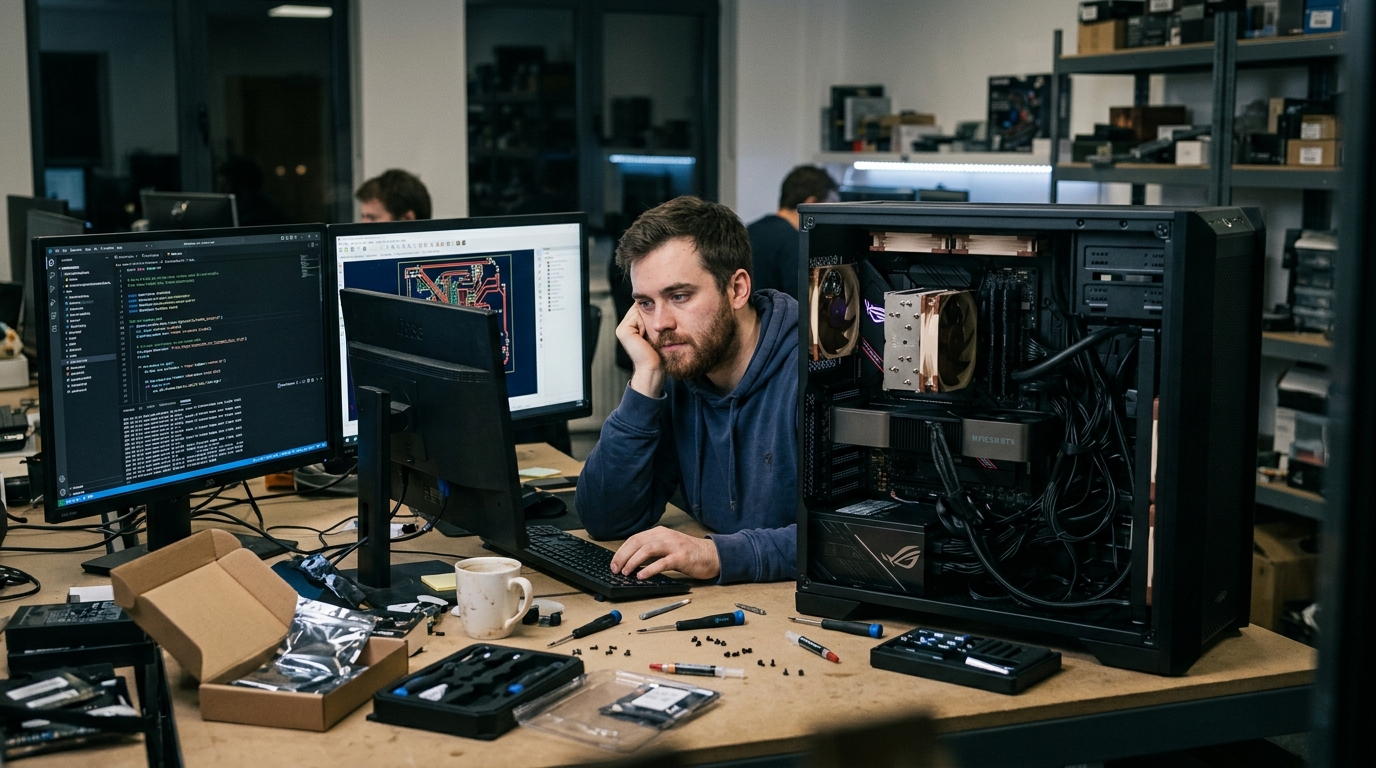
This implies that users are no longer purchasing 'parts', but rather an integrated ecosystem. Assembling a computer capable of running future versions of Windows or specialized AI content creation software now requires laboratory-grade equipment rather than a simple screwdriver.
Economic and Environmental Implications
The inability to assemble—and by extension, repair—these machines raises serious concerns regarding the 'Right to Repair'. If one part of the SoC fails, the entire computer becomes e-waste. Furthermore, the concentration of power in the hands of a few manufacturers (Intel, AMD, Qualcomm, Apple) limits competition in the components market, potentially leading to higher consumer prices.
"We are not just facing a technical change, but a paradigm shift. The computer is transforming from a tool we control into an appliance we merely consume," market analysts suggest.
The Future of the Enthusiast
Will DIY disappear entirely? Likely not, but it will be relegated to a very specific market niche. Gamers and video professionals will continue to build traditional systems as long as discrete GPUs remain viable. However, for the vast majority of users seeking the benefits of daily AI assistance, the 'custom-built' PC will soon seem like a romantic relic of the past, much like the DIY radio kits of previous generations.