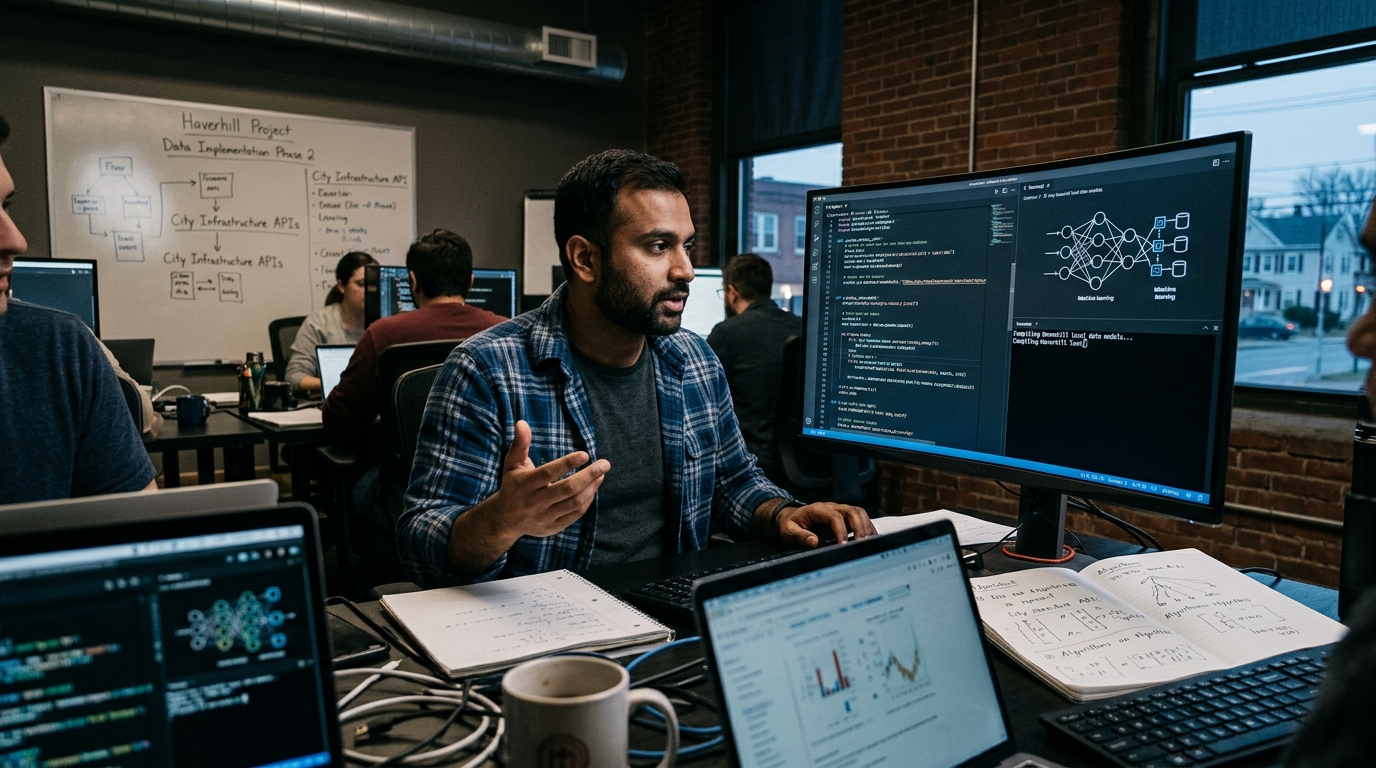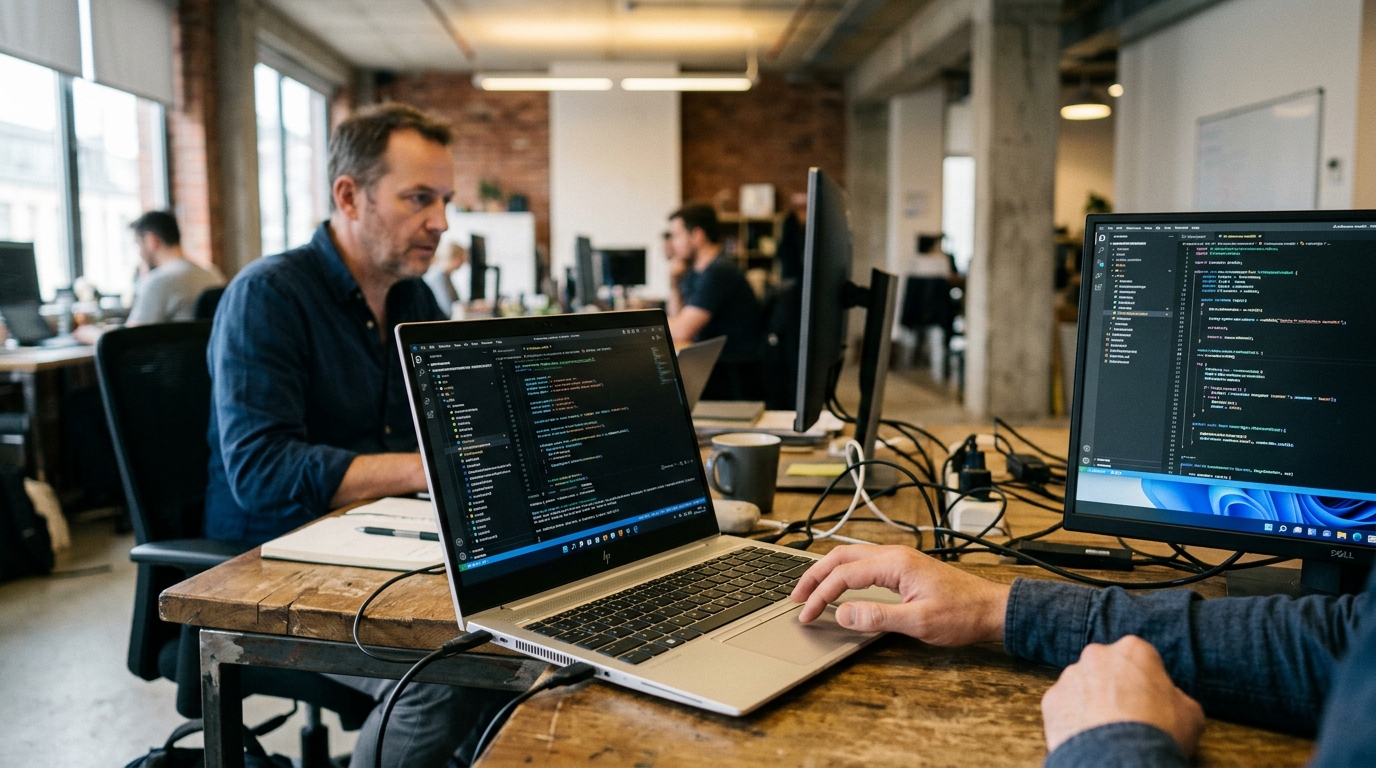
The personal computer market, which endured a prolonged slump following the post-pandemic boom, appears to have finally regained its footing. HP Inc. recently reported financial results that not only exceeded Wall Street forecasts but also delivered a clear message: artificial intelligence is no longer confined to the cloud and data centers; it is aggressively entering our offices and homes.
The Strategic Pivot to AI PCs
The concept of the "AI PC" has evolved from a laboratory experiment into a central pillar of HP's corporate strategy. These machines, equipped with specialized Neural Processing Units (NPUs), allow complex AI tasks to be executed locally on the device without the need for a constant connection to remote servers. This development offers three key advantages that HP is leveraging to the fullest: reduced latency, enhanced privacy, and significant energy savings.
According to the company's report, enterprises are at the forefront of this adoption. As organizations seek to integrate tools like Microsoft Copilot into their daily workflows, the need for hardware capable of supporting these demands has become imperative. HP has successfully positioned itself as a leader in this market segment, offering solutions that promise to boost employee productivity through integrated intelligence.
The Windows 11 Catalyst
Beyond artificial intelligence, a more traditional but exceptionally powerful factor is driving sales: the Windows 11 refresh cycle. With Microsoft approaching the end of support for Windows 10, thousands of businesses worldwide are in the process of modernizing their PC fleets. This "refresh cycle" acts as a tailwind for HP, which is seeing steady revenue growth in its Personal Systems segment.
Analysts point out that this renewal is not merely a replacement of old equipment. It is an opportunity for companies to "future-proof" their infrastructure. HP, having restructured its supply chain and focused on premium product categories, is managing to maintain high profit margins despite intense competition from rivals like Dell and Lenovo.
Financial Analysis and Market Challenges
HP's revenue for the latest quarter surpassed estimates, reflecting healthy demand across both commercial and consumer sectors. However, the path forward is not without obstacles. The Printing segment, traditionally the company's "cash cow," faces challenges due to the decline in paper usage in an increasingly digitized work environment. HP is responding by promoting subscription-based service models and focusing on industrial 3D printing solutions, seeking to diversify its revenue streams.
- Revenue growth in the Personal Systems sector exceeded market expectations significantly.
- Strong earnings per share (EPS), supported by aggressive share buyback programs and stringent cost controls.
- Strategic focus on hybrid work models, offering peripherals and high-end video conferencing solutions.
In conclusion, HP Inc. appears to be winning its bet on the transition to the new era of computing. Its ability to marry the necessity of software upgrades (Windows 11) with the transformative promise of AI positions it advantageously. The remaining question is whether the excitement surrounding AI PCs will translate into long-term sustainable growth or if it represents a temporary spike driven by the mandatory replacement of aging hardware.