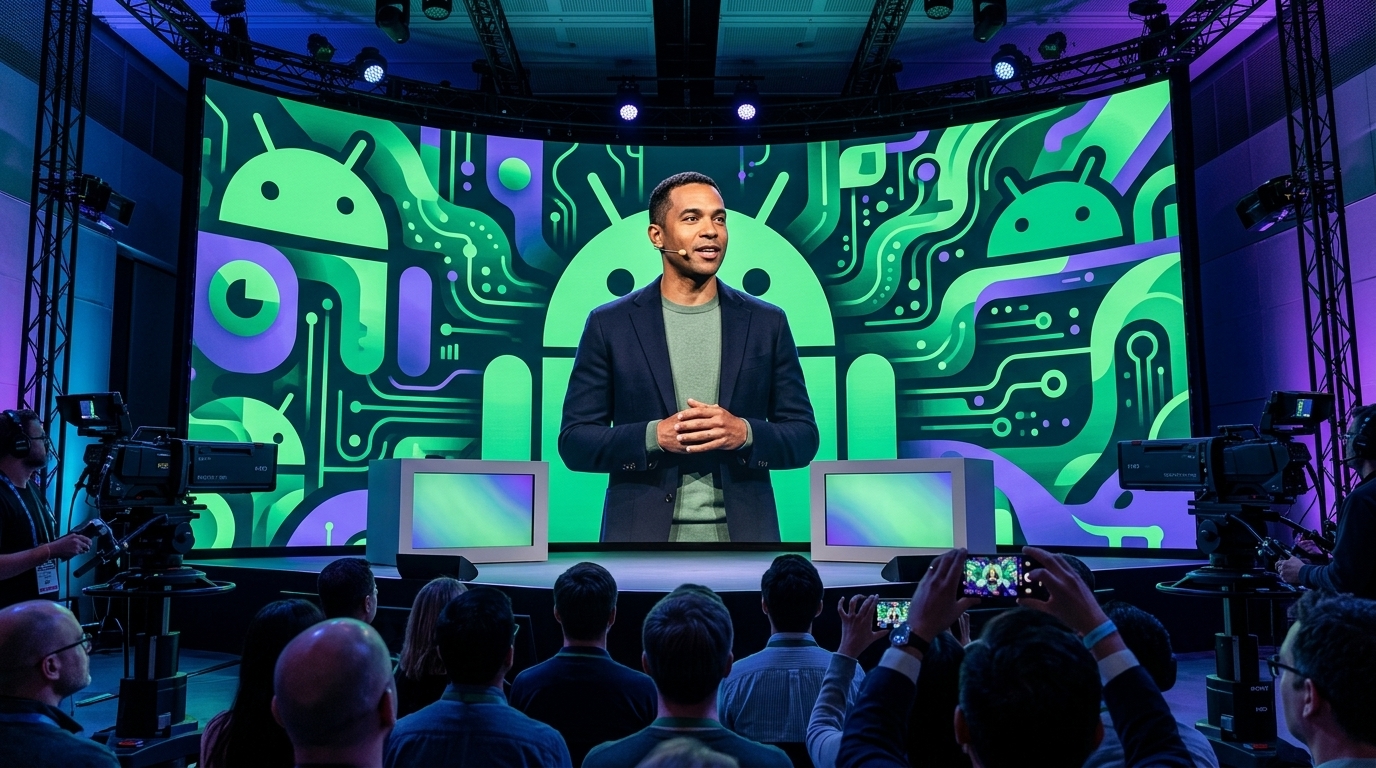
May 12, 2026, marks the beginning of one of the most pivotal weeks for the future of mobile computing. While the main Google I/O conference is still a week away, the tech giant from Mountain View has chosen to kick off its announcements today with the "Android Show: I/O Edition." This is a strategic move that underscores the importance of the Android operating system as the backbone upon which Google’s vision for Artificial Intelligence (AI) is built.
How and Where to Watch the Event
The event will be streamed live today, May 12, via the official Google Developers YouTube channel, as well as on the company's developer website. The start time is set for 9:00 AM PT / 12:00 PM ET / 5:00 PM BST / 7:00 PM EEST. For those who miss the live stream, Google is expected to make the entire presentation available on-demand immediately following its conclusion, accompanied by technical blog posts that will dive deeper into the new features.
This year’s event is not just a technical update; it is Google’s response to the mounting pressure from Apple and the Microsoft/OpenAI ecosystem. The Android Show serves as the "prologue" that will set the stage for Sundar Pichai’s major keynotes next week, focusing less on hardware and more on the software and tools that will shape the experience of billions of users worldwide.
Android 17: AI at the Heart of the OS
The central theme of today’s presentation is expected to be the next major release, Android 17. If 2025 was the year AI was added as a "layer" on top of the OS, 2026 is the year AI becomes the OS itself. Rumors and leaks from previous developer previews indicate a complete integration of the Gemini model into the core of the system.
- Predictive Interface: Android 17 is expected to introduce an interface that "predicts" the user's next move, organizing apps and notifications based on context rather than just chronological order.
- Deep Gemini Integration: Gemini’s ability to "see" what is happening on the screen and interact with third-party apps without the need for traditional APIs will be the big bet.
- Privacy-First AI: Leveraging the processing power of new chips, Google will emphasize on-device processing, ensuring that personal data does not leave the device for core AI functions.
This evolution changes the paradigm of the mobile OS. Android is ceasing to be an app launcher and is transforming into a personal digital agent. The challenge for Google is to convince developers to adopt these new tools while maintaining the open nature of the ecosystem that made it dominant in the first place.
The Ecosystem: Wear OS, Foldables, and Automotive
Beyond smartphones, the Android Show will focus on expanding the OS into other form factors. Foldables and tablets will take center stage, with Google introducing new APIs for multitasking optimization. It is clear that Google wants to close the gap with iPadOS, offering a more cohesive experience on large screens.
Wear OS is also expected to receive significant updates, focusing on health and battery life. With the Fitbit acquisition now fully integrated, Android 17 for watches will offer deeper biometric data analysis via AI, suggesting lifestyle changes to the user in real-time. Finally, Android Automotive continues its push into car manufacturers, with Google aiming to make the car the "third screen" of our lives, fully synchronized with our phones and homes.
The Geopolitical and Economic Dimension
We cannot ignore the environment in which these announcements are being made. The European Union, through the Digital Markets Act (DMA), is pushing Google for greater interoperability. Today, we might see Google’s first official responses at the code level, allowing third-party AI models or app stores to integrate more deeply into Android 17. This represents a delicate balance for the company: complying with regulations without losing control over the user experience and its advertising revenue.
In conclusion, today’s Android Show is not just a technical demonstration. It is a statement of intent. In a world flooded with AI hype, Google must prove that Android remains the most flexible and powerful platform for the next generation of computing. The future is about to unfold on our screens.