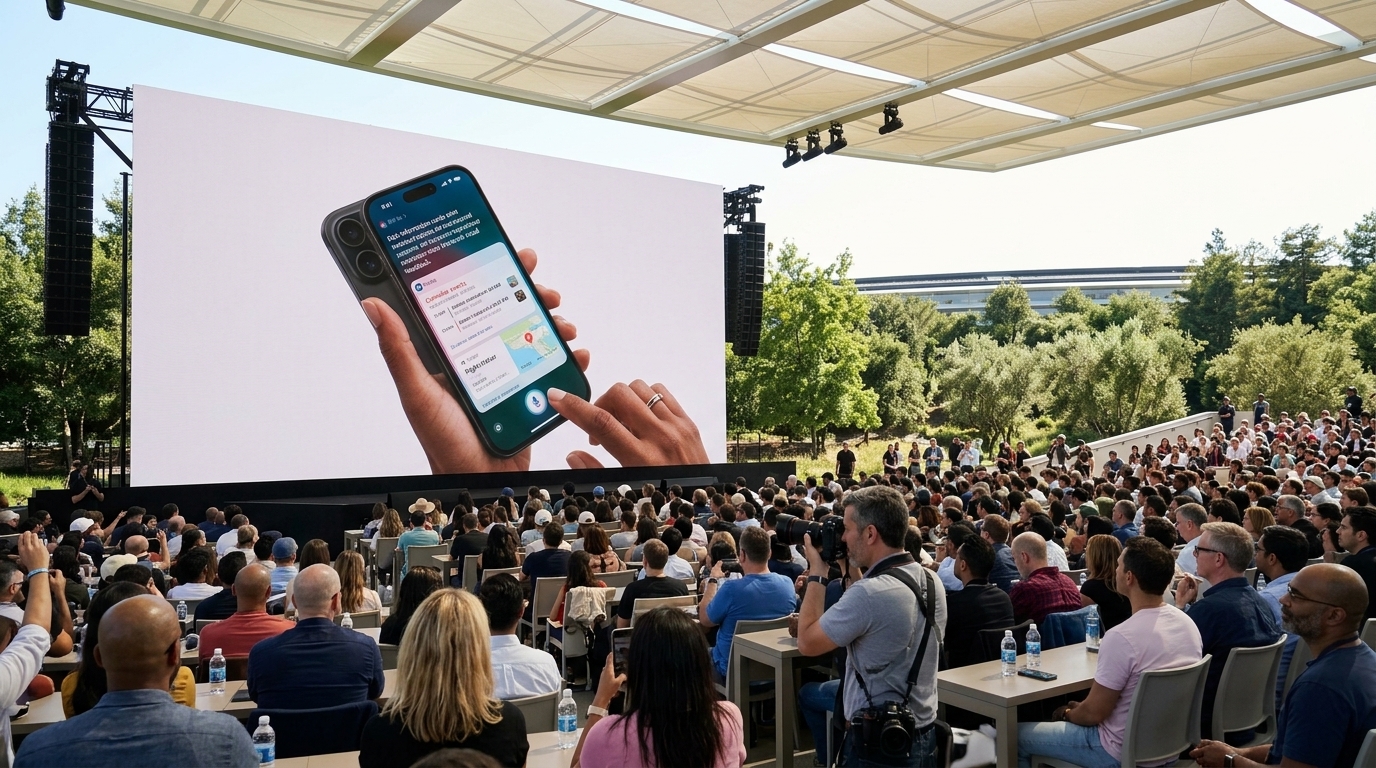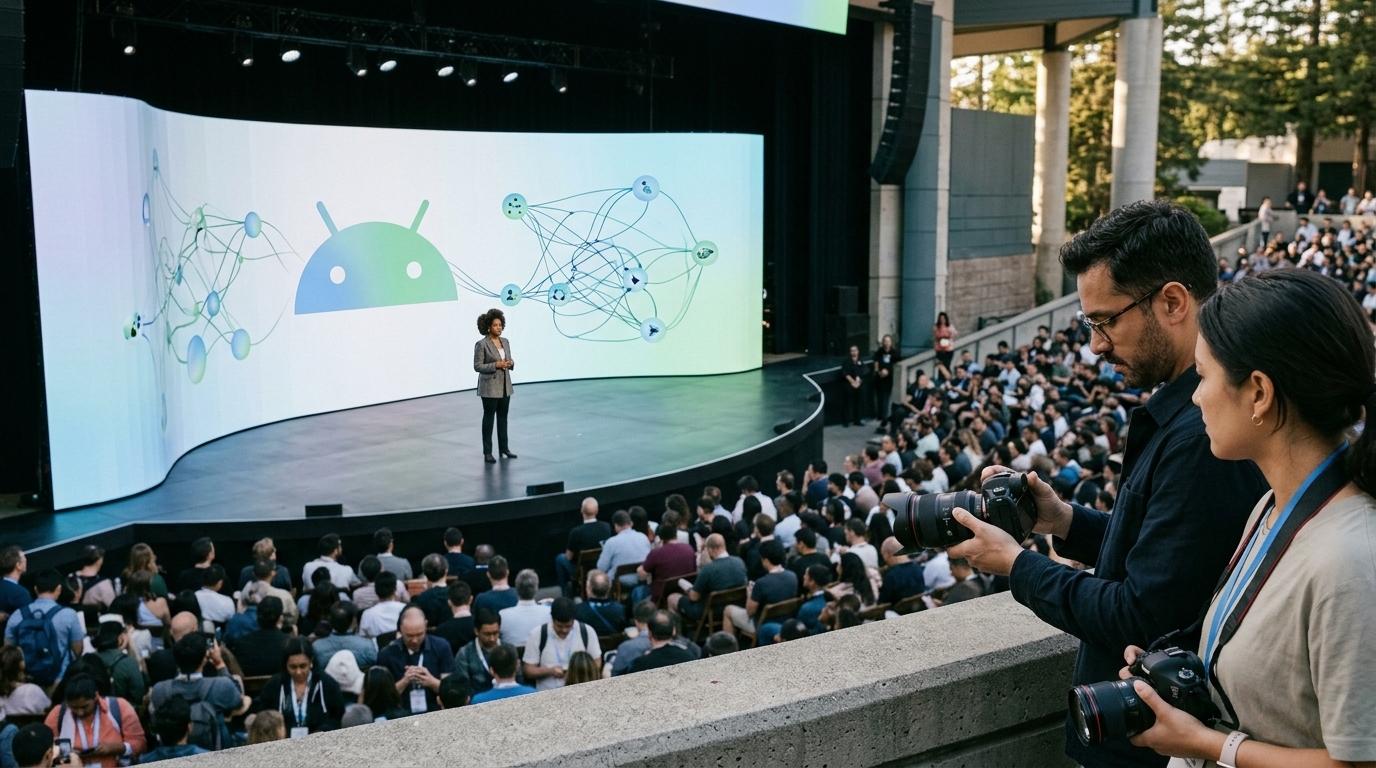
Today, May 19, 2026, the Shoreline Amphitheatre in Mountain View, California, once again becomes the epicenter of the technological world. Google I/O 2026 is not merely a product showcase; it is Alphabet’s definitive response to a world rapidly transforming under the weight of Generative AI. With competition from OpenAI and Apple tightening margins and challenging its search dominance, Google must prove it remains the undisputed leader of digital intelligence.
Gemini 3.0: Transitioning from Chatbots to Agents
The central theme of this year's conference is expected to be the next generation of the Gemini model. Rumors point to Gemini 3.0, which will no longer be limited to simple text and image processing but will possess "agentic capabilities." What does this mean in practice? Google aims for an AI that can execute complex tasks on behalf of the user: from planning an entire trip with bookings and payments to managing correspondence and coordinating professional meetings without human intervention.
Particular emphasis will be placed on Project Astra, Google’s vision for a multimodal AI that "sees" and "hears" the world in real-time through a phone camera or smart glasses. The ability of AI to understand the user's environment and provide information before even being asked represents the company’s "holy grail" for 2026.
Android 17: AI as the Operating System
Android 17 is expected to be the most radical upgrade in the history of the software. Google appears to be abandoning the traditional "app-centric" model in favor of a unified interface based on AI. The operating system will now be able to predict user needs, dynamically reorganizing the home screen based on time, location, and current activities. Integrating Gemini at the core level means that privacy protection (via the Privacy Sandbox) must be balanced with the model's need for access to personal data to function effectively.
- Full integration of Gemini Nano 2 for on-device data processing.
- A new notification system filtered and prioritized by AI.
- Enhanced power management through predictive modeling.
Hardware: Tensor G5 and Google’s Independence
On the hardware front, all eyes are on the Tensor G5 processor. For the first time, Google has designed the processor entirely in-house, breaking away from Samsung for core design. This move is vital, as it allows Google to optimize hardware specifically for Gemini models, offering performance levels previously impossible on mobile devices. The Tensor G5 will power the new Pixel 10 series, expected to be officially announced in the fall, but we will likely get a significant preview today.
"AI is no longer just a feature; it is the foundation upon which we are building the future of computing," Sundar Pichai recently stated, and today’s I/O is the living proof of that strategy.
The Search Challenge and the Future of the Web
Perhaps the most critical point for investors and content creators is the evolution of AI Overviews in Google Search. As Google provides direct answers via AI, traffic to external websites is declining, causing friction within the web ecosystem. At I/O 2026, we expect to see new tools for publishers and advertisers, as well as a new approach to how Google intends to maintain ad profitability in a clickless world.
In conclusion, Google I/O 2026 is a moment of truth. The company must convince the world that it can innovate faster than its agile rivals while maintaining the trust of billions of users who rely on its services daily. The live stream begins at 10:00 AM PT, and our team will be monitoring every minute to bring you the latest developments.