The traditional concept of domestic lighting is undergoing a radical transformation. For decades, the position of a lamp was dictated by its proximity to a wall outlet, limiting both the creativity and functionality of our interior spaces. Gantri, the pioneer that brought high-end design to 3D printing, has recently announced its transition into wireless lighting in partnership with the renowned design firm Ammunition. This move is not merely a technical upgrade; it is a statement about how we will live in the future: flexibly, sustainably, and without tethers.
The Portability Revolution and the Ammunition Partnership
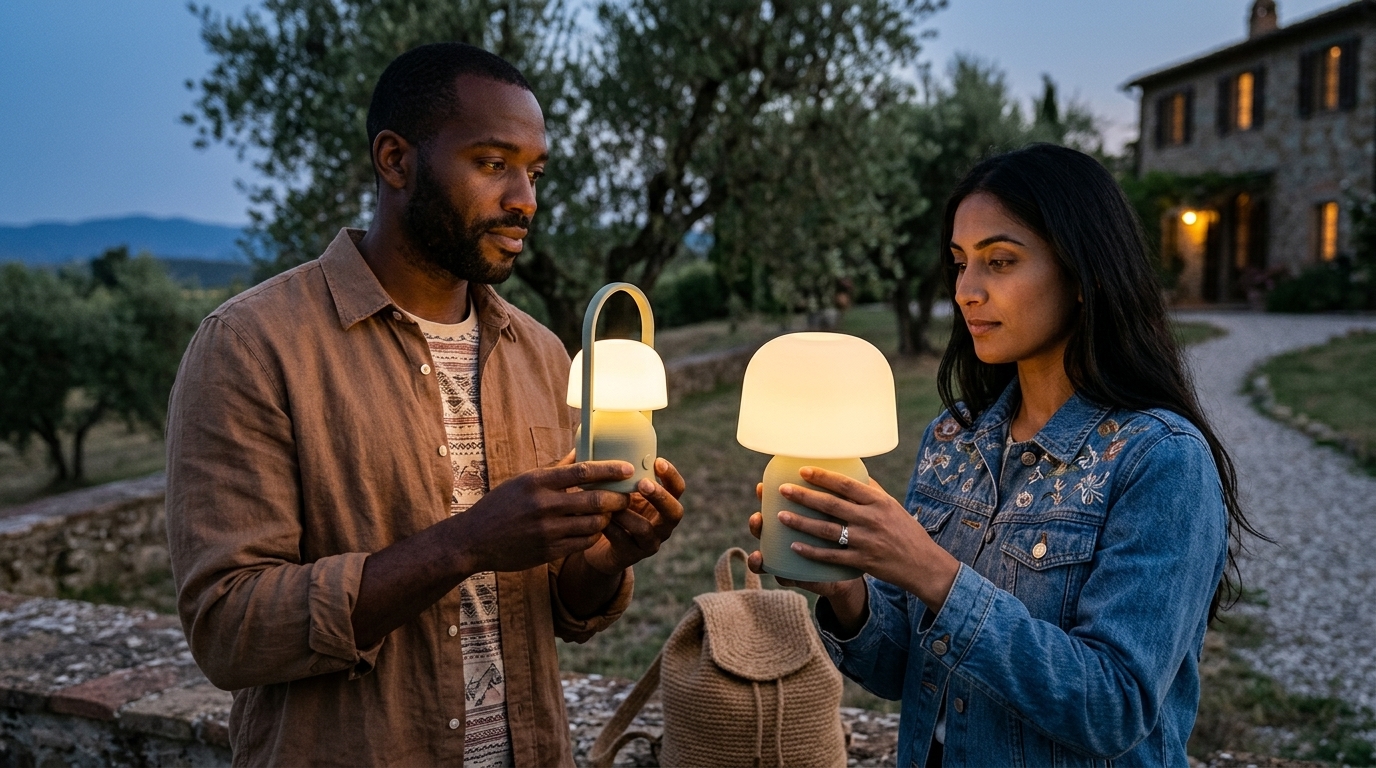
The collaboration with Ammunition—the firm founded by Robert Brunner, former Apple design lead—lends Gantri an aesthetic authority rarely seen in 3D-printed products. The new wireless models, such as Aura and Gio, are not just smaller versions of their predecessors. They have been redesigned from the ground up to house the batteries and circuitry required for cordless operation while maintaining the organic, sculptural forms that define Gantri’s catalog.
Ammunition focused on the concept of the "companion." A lamp that can be moved from the desk to the nightstand, and then to the patio, ceases to be a static object and becomes part of our daily ritual. The challenge lay in integrating technology without sacrificing elegance. Utilizing USB-C ports for charging and optimizing battery life were central to development, ensuring that aesthetics were not overshadowed by technical complexity.
Sustainability Through 3D Printing
Gantri’s true competitive edge remains its production method. Using its proprietary "Gantri Plant Polymer," a material derived from corn and sugar cane, the company avoids traditional petroleum-based plastics. 3D printing allows for on-demand production, eliminating the need for massive warehouses and dramatically reducing manufacturing waste.
In a world flooded with cheap, mass-produced electronics, Gantri proposes a model of "local production at scale." Every lamp is printed at the company’s factory in California, which reduces the carbon footprint associated with long-distance shipping. While the addition of wireless technology introduces complexity regarding battery recycling, Gantri argues that the durability and repairability of its products offset these concerns.
The Psychology of Light in Modern Spaces
Why now? The rise of remote work and the need for multi-functional spaces have shifted our requirements. Light is no longer just for visibility; it’s for atmosphere. Gantri’s wireless lamps offer a "warmth" that is often missing from our screens. The ability to dim the intensity and move the light source exactly where it is needed enhances psychological well-being.
Furthermore, this move positions Gantri against major design players like Flos and Artemide, who have also invested heavily in cordless lighting. However, Gantri maintains a price advantage and a direct-to-consumer intimacy that traditional houses struggle to match. The ability to purchase a piece of high design at a price accessible to the middle class, without sacrificing ecological values, is the "sweet spot" the modern market is searching for.
The Future of "Smart" Lighting
As we move toward 2027, Gantri seems to be laying the groundwork for even more advanced integrations. While currently focusing on the simplicity of wireless operation, the 3D-printing infrastructure allows for easy adaptation of new sensors or smart home technologies in the future. The question is no longer whether light will be wireless, but how "intelligently" it can interact with the user and their environment.
In conclusion, the new series by Gantri and Ammunition is not just about lamps. It is about liberating the object from its physical constraints. It serves as proof that technology, when paired with the right design vision, can make our daily lives more beautiful, more functional, and, above all, more free.