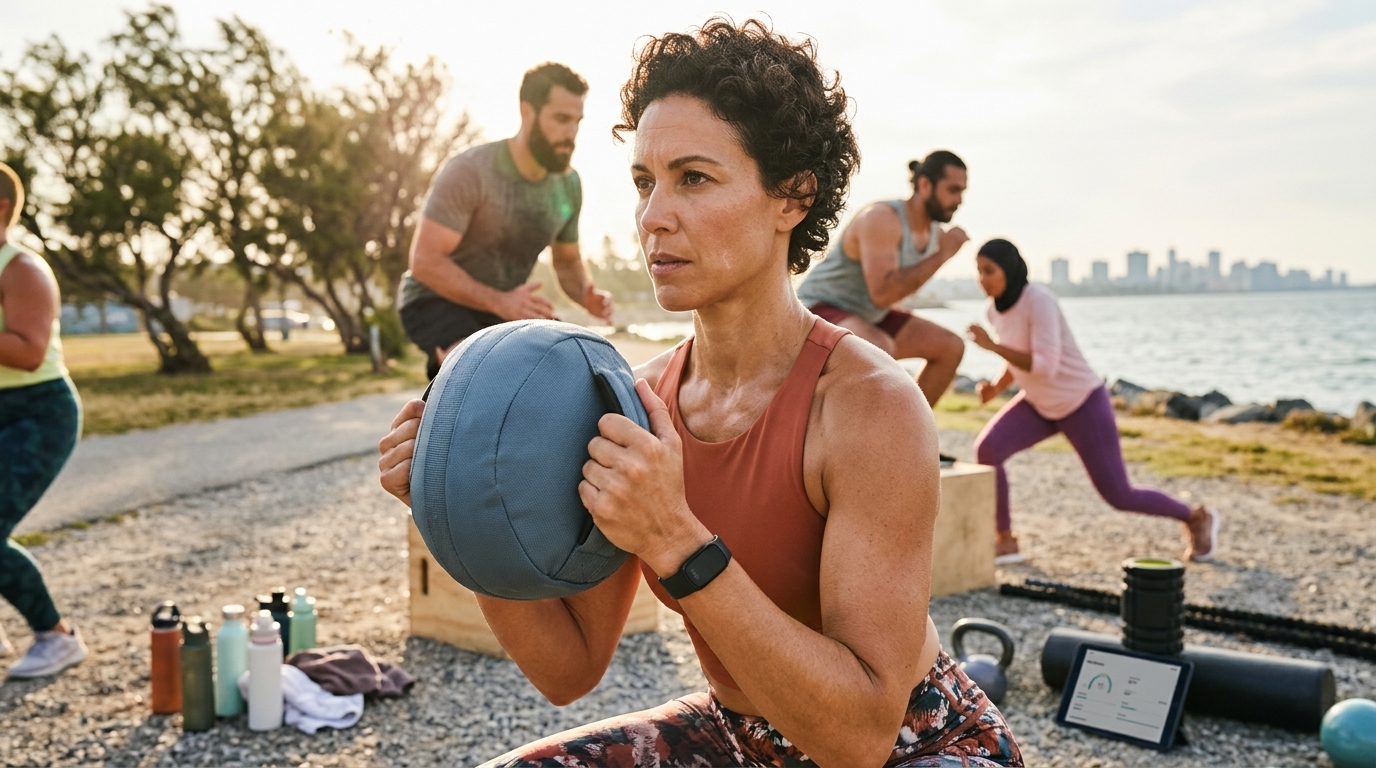
The era when wearables were mere step counters is long gone. Today, we stand at the threshold of a new epoch where technology does not just record our lives but interprets them. Google's recent announcement regarding the upgrade of Fitbit's "Personal Health Coach" marks a significant milestone in this journey. This is not just a software update; it is a fundamental shift in how artificial intelligence (AI) interacts with our biology.
The Convergence of Data and Dialogue
The core philosophy behind these new updates is the transformation of cold data into living counsel. By integrating Google's large language models (LLMs), the Fitbit Coach now gains the ability to hold meaningful dialogues with the user. Instead of simply viewing a chart showing poor sleep, you can now ask: "Why was my sleep disrupted last night?" and the AI coach will analyze trends from recent weeks, your activity levels, and stress markers to provide an informed, contextual answer.
This ability to "converse" with our data is revolutionary. It removes the barrier of interpretation that often discouraged casual users from taking their health data seriously. The Coach is no longer limited to generic advice; it uses your unique history to suggest specific changes, such as scaling back workout intensity if your body shows signs of fatigue that you might otherwise ignore.
Personalization Beyond Numbers
Fitbit's big bet is on creating a fitness regimen that "breathes" with the user. The new updates allow the Coach to adjust workouts in real-time. If, for instance, the device detects that your sleep quality was low and your resting heart rate is slightly elevated, the AI coach will automatically suggest a yoga session or a gentle walk instead of the high-intensity interval training (HIIT) you had originally planned.
- Dynamic goal adjustment based on daily readiness scores.
- Real-time connection between nutrition and energy expenditure.
- Long-term trend analysis to prevent physical and mental burnout.
- Personalized motivational cues based on individual user psychology.
This holistic approach bridges the gap between physical fitness and general wellness. Google seems to understand that health is not a sprint, but a continuous balance. The system's ability to recognize patterns that the human mind struggles to spot—such as the correlation between work-related stress and muscle recovery quality—is what makes the new Coach a true ally.
The Privacy Question and the Ethics of AI Health
Of course, increased personalization brings increased responsibility. The collection of such sensitive data—from heart rate to sleep nuances and personal queries—requires an inviolable protection framework. Google reassures users that Fitbit health data remains segregated from its advertising data, yet concerns persist. How "personal" can a coach be when it is owned by a global tech titan?
"Artificial intelligence in health should not replace our judgment, but enhance it with data that was previously invisible to the naked eye."
Furthermore, there is the risk of the "medicalization" of daily life. If an algorithm is constantly telling us what to do, are we losing the ability to listen to our own bodies? The challenge for Fitbit and Google is to keep human autonomy at the center, using AI as an empowerment tool rather than a digital warden of our health.
Conclusion: The Future of Preventative Care
The updates to Fitbit's Personal Health Coach are not just a "feature" to sell more hardware. They are a glimpse into the future of preventative medicine. When technology can predict an illness before symptoms even appear or guide a user to avoid an injury, the burden on global healthcare systems could be dramatically reduced. Fitbit, under Google's umbrella, is now positioning itself not as a gadget company, but as a health platform aspiring to be the indispensable digital companion for anyone seeking a better, more informed life.