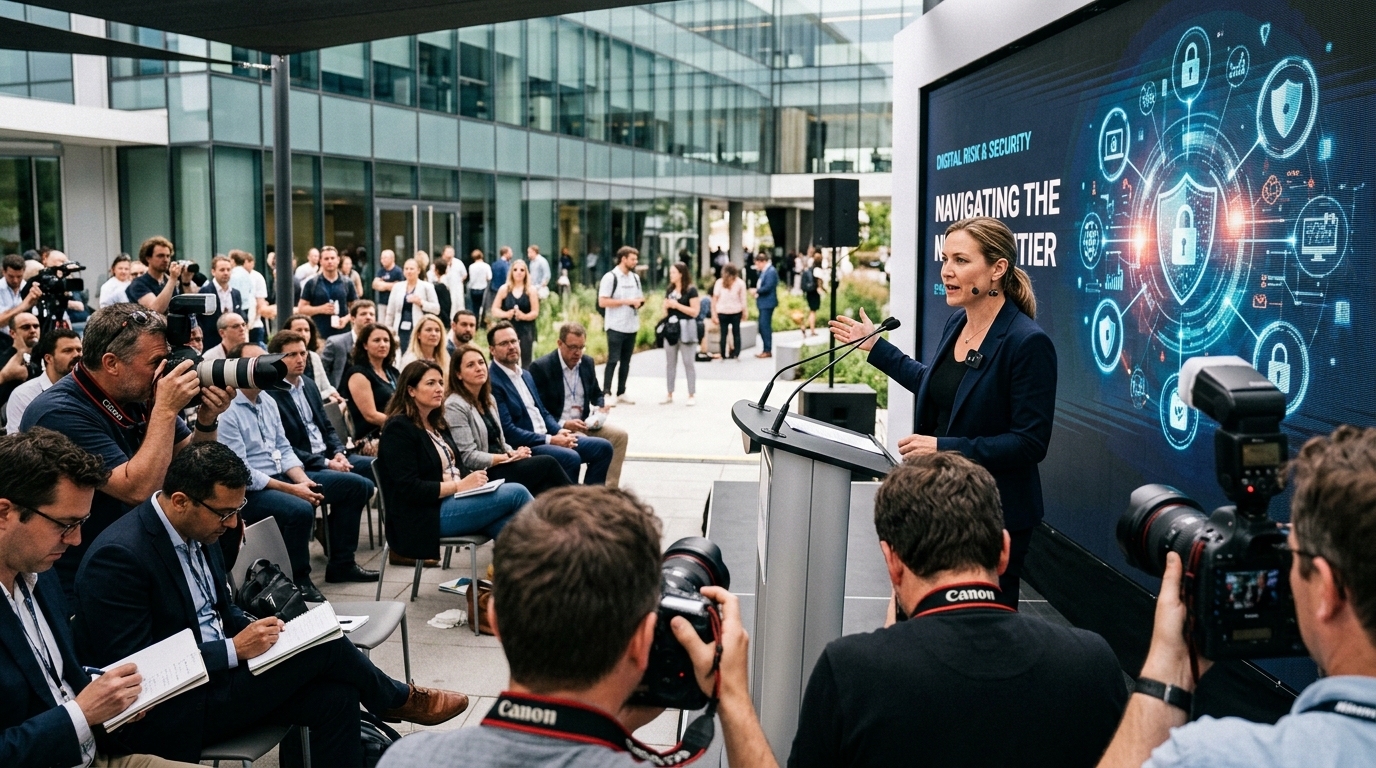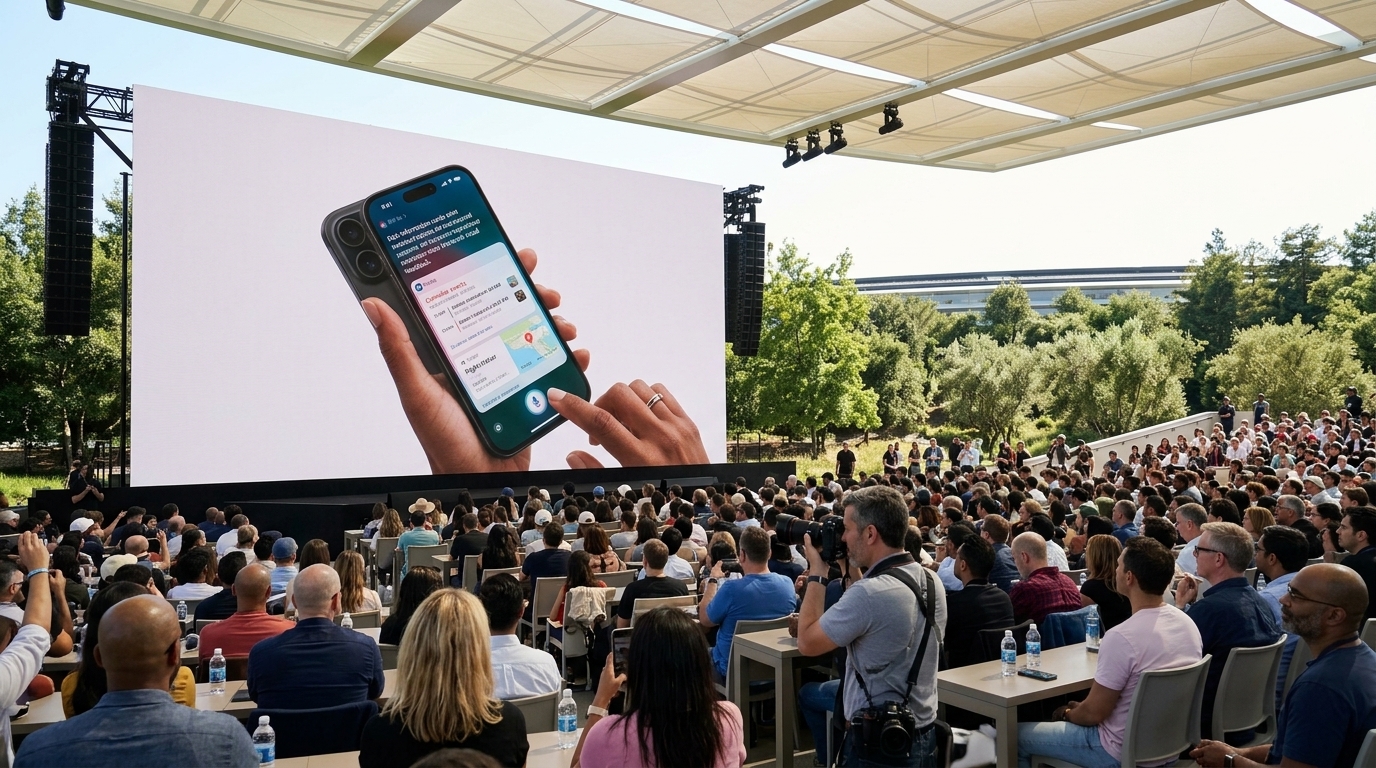
In the high-stakes world of finance and corporate governance, the presence of a Chief Executive Officer (CEO) has traditionally been the ultimate anchor of stability and trust. However, the recent move by João Vitor Menin, CEO of the Brazilian digital bank Inter, to utilize a digital AI clone of himself for an official conference call, marks a radical departure in how we perceive leadership in the age of artificial intelligence. This is no longer a sci-fi premise; it is a reality that raises fundamental questions about ethics, transparency, and the essence of human connection in the business sphere.
The Inter Experiment and the Technology of Illusion
The news that Menin employed an AI avatar to address investors and analysts was more than just a technological stunt. According to reports, the digital likeness was so convincing that many participants did not immediately realize they were watching a synthesis of data and algorithms rather than a living, breathing human. The technology behind this feat relies on sophisticated Generative AI models capable of replicating a specific individual's voice, facial expressions, and body language with uncanny precision.
This development arrives at a time when deepfake tools have become increasingly democratized. While their use was previously confined to entertainment or, more nefariously, disinformation, their entry into a bank's boardroom is a milestone. Menin argued that the move was intended to showcase the bank's innovative spirit and commitment to cutting-edge tech. Yet, the pride with which this achievement was touted masks a deeper concern: if a CEO can be replaced by an algorithm during a critical communication, what prevents the total automation of leadership?
The Trust Paradox and Investor Risk
Markets run on trust. When an investor listens to a CEO discuss quarterly earnings or future outlooks, they are looking for non-verbal cues: a slight tremor in the voice, a micro-expression, or a spontaneous response to a difficult question. These elements form the basis of human judgment regarding sincerity and confidence. By introducing AI clones, these "signals" are either eliminated or, worse, manufactured.
- The Loss of Authenticity: Leadership is a deeply human endeavor rooted in empathy and situational judgment.
- Security Risks: If a CEO officially uses a clone, how can employees or partners be certain a future directive comes from the person and not a sophisticated hacker?
- Regulatory Vacuum: Global financial regulators have yet to establish clear rules for the use of AI representatives in official corporate disclosures.
The question arises: can a bank, an institution entrusted with the public's money, afford to blur the lines between reality and digital simulation? Trust is built over years but can vanish in seconds if the public feels they are being addressed by a digital mask rather than a responsible leader.
Ethical Dilemmas and the Future of Executive Work
The João Vitor Menin case opens a Pandora’s box regarding AI ethics. If efficiency is the sole metric, an AI clone is objectively superior: it doesn't get tired, it doesn't fumble its words, it can speak ten languages simultaneously, and it can be in ten places at once. But leadership is not just about efficiency; it is about accountability.
"Technology should augment human capability, not replace it in areas where moral and fiduciary responsibility are non-negotiable," argue digital ethics analysts.
In the near future, we may see "digital presence contracts," where shareholders demand that leaders appear in person for specific milestones. The "luxury" of human presence could become the new status symbol in the corporate world. As we move closer to 2027, the ability to distinguish between man and machine will become the most critical skill for every investor and citizen. Inter may brag about its innovation, but the true test will be whether its customers continue to trust a bank that prioritizes pixels over people.