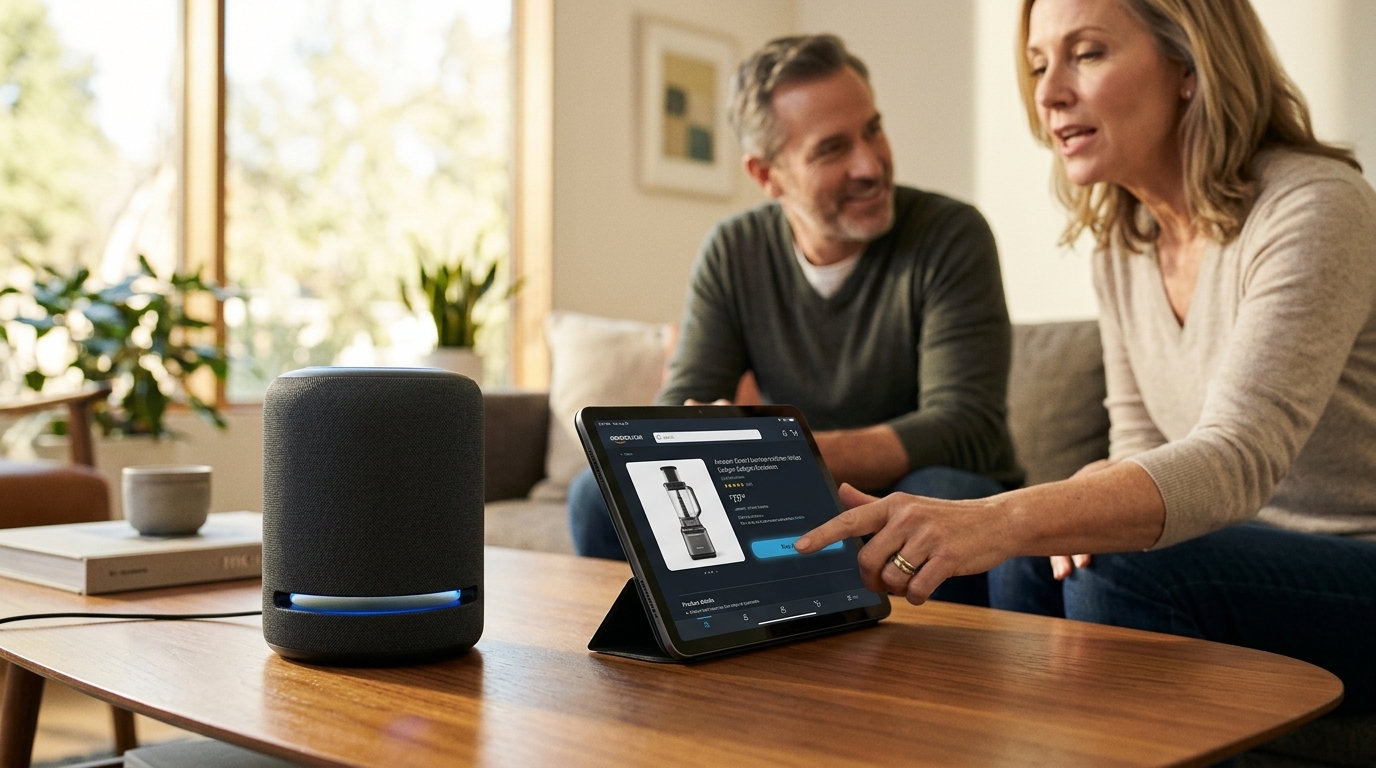
The era of the simple search bar in e-commerce is drawing to a close. Amazon has announced a radical shift in strategy, integrating Alexa Plus—the new, Large Language Model (LLM)-powered version of its digital assistant—directly into the main Amazon.com website and app. This move is not merely a technical upgrade; it is a fundamental reimagining of how consumers interact with the world's largest marketplace.
The Convergence of Alexa and Rufus: A Unified AI Persona
Until recently, Amazon's AI strategy appeared fragmented. On one side was Alexa, residing primarily in smart speakers and focusing on smart home control; on the other was Rufus, an experimental shopping assistant launched last year. With this new announcement, these two paths converge. 'Alexa for Shopping,' powered by the Alexa Plus architecture, becomes the user's primary interface.
When a user types or speaks a query on Amazon.com, they no longer receive just a static list of results. Instead, a dialogue begins. Alexa Plus can answer complex questions such as 'What is the best sunscreen for sensitive skin that doesn't leave a white cast?' or 'Compare these two coffee maker models in terms of ease of cleaning.' The system's ability to synthesize thousands of user reviews and technical specifications in seconds offers an experience akin to a specialized salesperson in a physical store.
A Strategic Response to Google and OpenAI
Amazon's move comes at a critical juncture. With Google integrating Gemini into its search engine and OpenAI experimenting with SearchGPT, Amazon risked losing control of the 'entry point' for shopping. Consumers had begun using ChatGPT to conduct market research before even visiting Amazon. By integrating Alexa Plus, the Seattle-based tech giant is attempting to keep the user within its 'walled garden' from the initial moment of inquiry to the final checkout.
"It's no longer about finding a product; it's about making a decision. Alexa Plus is designed to bridge the gap between curiosity and purchase," says a company spokesperson.
The challenge for Amazon lies in maintaining user trust. If Alexa begins prioritizing products based on Amazon's profit margins or supplier advertising spend (Sponsored Products) rather than actual quality, users will quickly revert to independent information sources. The balance between utility and profitability will be the linchpin of this endeavor's success.
Data, Privacy, and the Road Ahead
This integration also means that Amazon will have access to even more granular data regarding consumer intentions and hesitations. Every question asked of Alexa for Shopping reveals something about our preferences, fears, and budgets. This data is 'gold' for training future AI models, but it also raises significant privacy concerns.
- How will user conversations be protected from unauthorized use?
- Will there be transparency regarding when Alexa acts as a neutral advisor versus a salesperson?
- How will small and medium-sized businesses selling on the platform be affected if the algorithm favors major brands?
In conclusion, moving Alexa into Amazon.com marks the dawn of a new era for retail. Artificial intelligence is no longer an accessory but the backbone of the consumer experience. Amazon is betting that the convenience of a conversation will outweigh any reservations, positioning Alexa as the ultimate intermediary in the global marketplace.