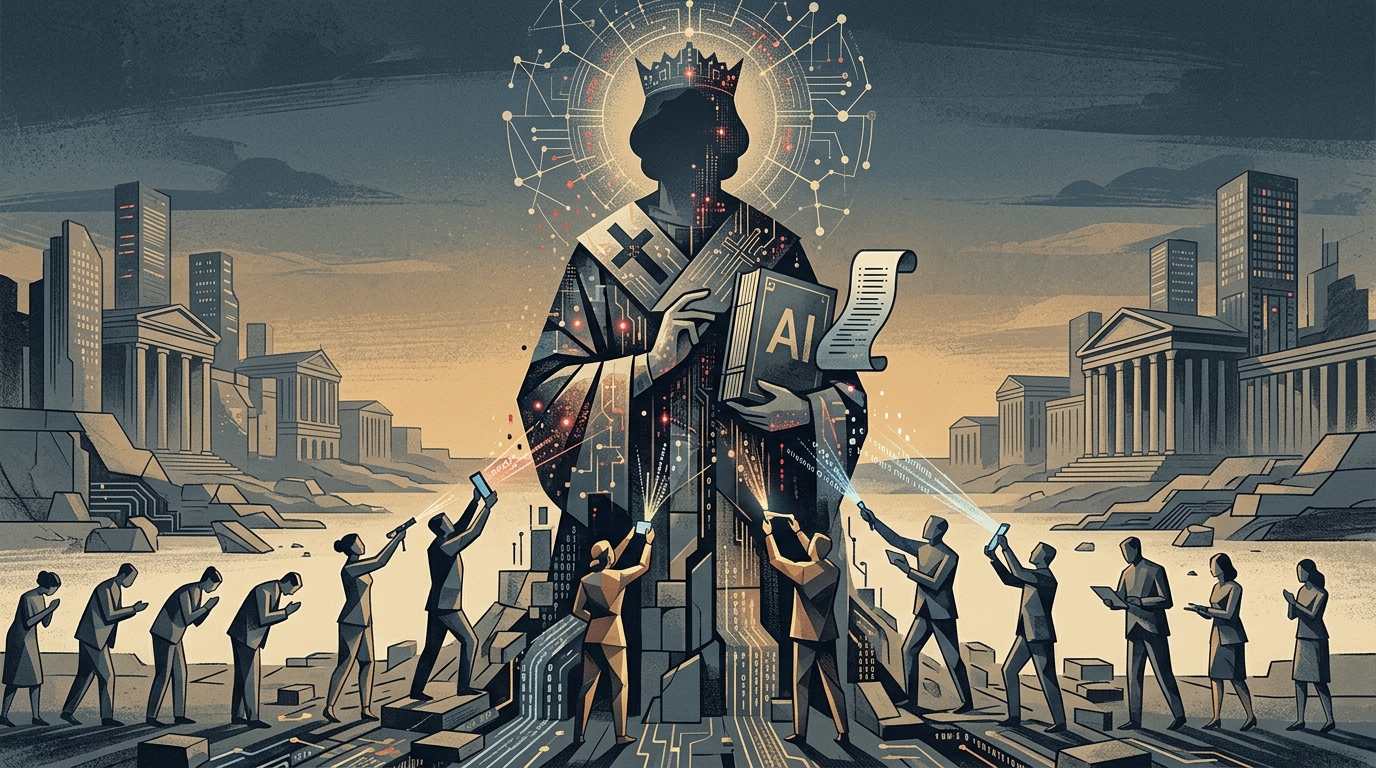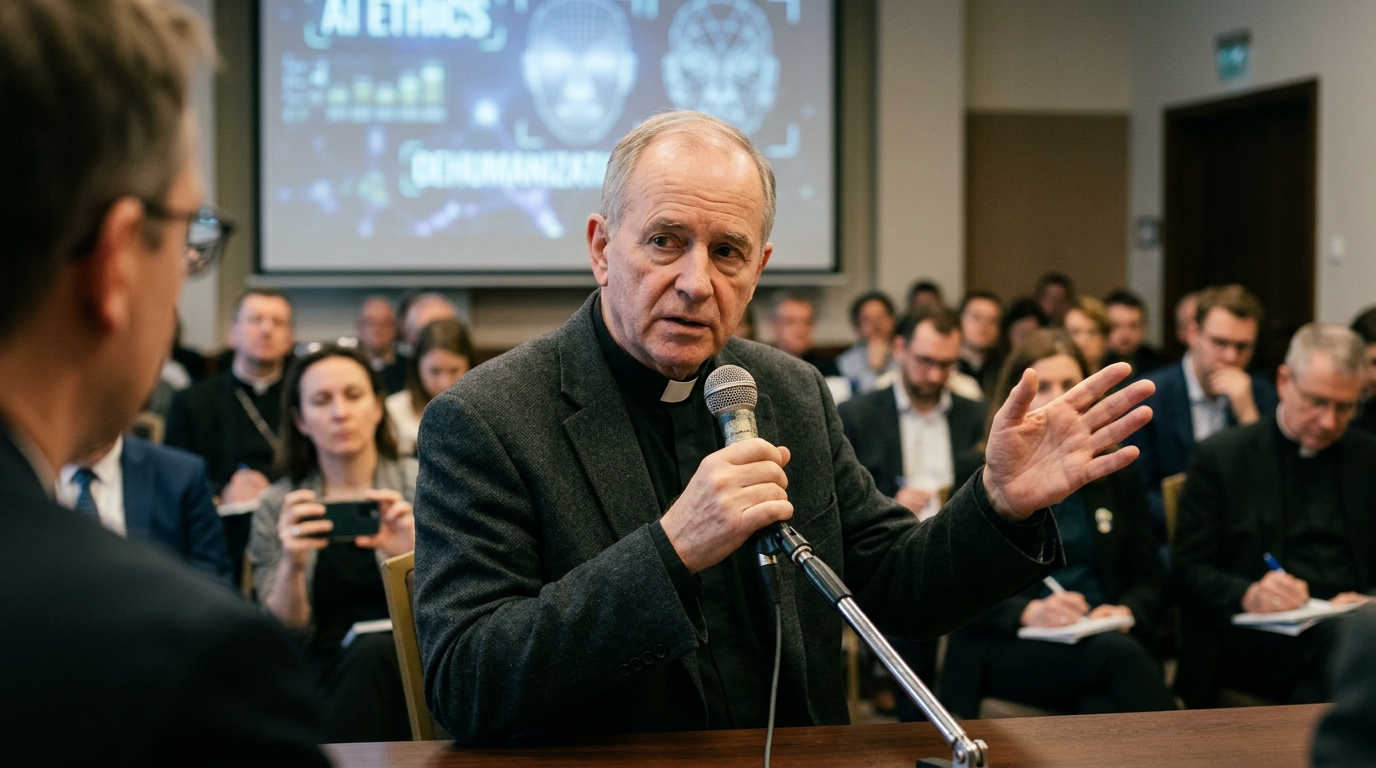
In an era where digital technology permeates every facet of human existence, Spain has decided to draw a definitive line in the sand. This is not merely another regulatory tweak; it is a frontal ideological and political clash with the titans of Silicon Valley. Spain's Minister for Digital Transformation and Public Function, Oscar López, using language uncharacteristically blunt for European diplomacy, has spoken of an "algorithmic dictatorship" that threatens democracy, mental health, and social cohesion.
The Rupture with the Silicon Valley Model
Madrid’s stance did not emerge in a vacuum. For some time, Pedro Sánchez’s government has invested heavily in the concept of "digital sovereignty." However, López’s recent pronouncements escalate the confrontation to a new level. At the heart of the matter is the conviction that the algorithms governing social media platforms are not neutral tools but mechanisms of manipulation designed to maximize profit at the expense of users' psychological equilibrium. Spain appears to be leading a vanguard within the European Union, pushing for controls that go significantly beyond the provisions of the already landmark AI Act.
The ongoing friction with Elon Musk serves as the most visible flashpoint of this conflict. Musk, through his platform X (formerly Twitter), has repeatedly challenged European authorities, championing an absolute—and often chaotic—version of free speech. For López, this approach is fundamentally dangerous. Spain argues that free speech cannot serve as a pretext for the proliferation of hate speech or the destabilization of democratic institutions via algorithmic amplification.
Protecting Minors as a National Priority
One of the most critical fronts in this battle is the protection of children and adolescents. The Spanish government is advancing a legislative framework that would impose strict age verification and limit the "addictive features" of applications. The surge in cases of depression, anxiety, and eating disorders among youth is directly linked, according to Madrid, to the way algorithms curate and recommend content.
- Implementation of biometric or other secure age-verification methods.
- Prohibition of algorithmic practices designed to maximize screen time for minors.
- Mandatory transparency regarding the functioning of content recommendation systems.
López emphasized that the "dictatorship of the click" cannot continue unchecked. Spain proposes the creation of an observatory to analyze the real-time social impacts of algorithms, acting as a "digital auditor" accountable to citizens rather than corporate shareholders.
Artificial Intelligence and the Future of Work
Beyond social media, Spain is deeply concerned about the unchecked spread of AI in the workplace. The government fears that using AI for evaluating or dismissing employees—so-called "algorithmic management"—is creating a new form of labor servitude. Madrid seeks to ensure that any decision significantly impacting a person's life is made by a human being, not by an algorithmic "black box."
"We cannot allow our future to be written by code that no one understands and no one controls," the Minister stated.
Spain's attempt to set boundaries for Big Tech is an experiment watched by the entire world. If successful, it will provide the blueprint for a new digital social contract. If it fails, it will confirm that the power of tech giants now transcends the sovereignty of nation-states. Regardless, the battle in Madrid is a battle for the soul of the digital age.