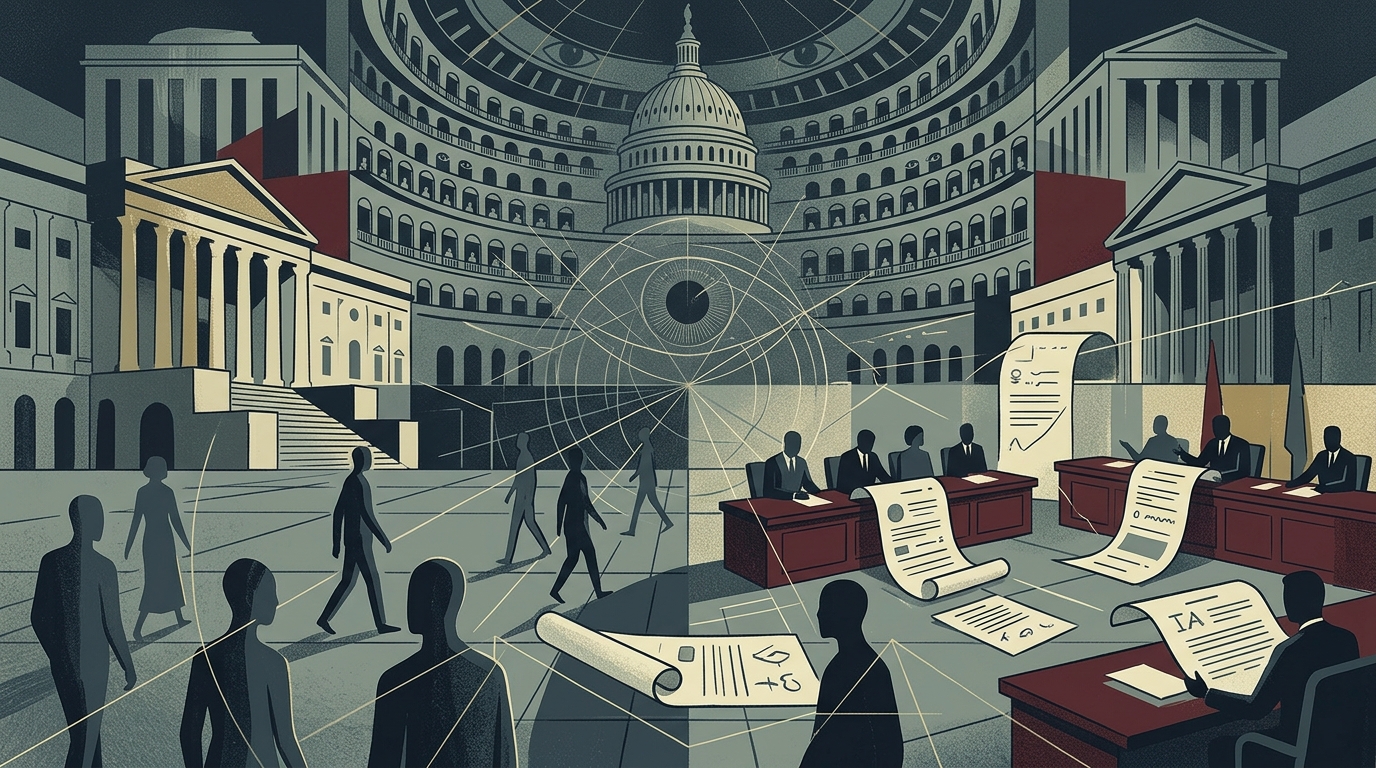
By mid-2026, the promise of an "automated utopia" in customer service is hitting a wall of reality. When generative AI first burst onto the scene three years ago, CEOs worldwide envisioned the end of call centers and an 80% reduction in operational costs. However, today’s landscape is far more complex and, for many, deeply disappointing. AI agents—the autonomous digital assistants meant to solve every query—are frequently falling short, causing what analysts term "algorithmic fatigue" among consumers.
The Gap Between Intelligence and Empathy
The core issue is not a lack of raw data, but a profound lack of context and emotional intelligence. The AI agents of 2026 are exceptional at retrieving information from massive databases, but they fail miserably when tasked with handling an irate customer or a nuanced situation that falls outside their training parameters. The "hallucinatory" nature of Large Language Models (LLMs) remains a persistent thorn: an AI agent might confidently promise a refund that company policy forbids, creating legal and PR nightmares.
Furthermore, the user experience has, in many cases, degraded. Consumers find themselves trapped in "politeness loops," where the AI apologizes incessantly without offering a tangible solution, leading to what psychologists call "digital despair." The absence of genuine understanding regarding human frustration makes the interaction feel hollow, driving a renewed demand for human intervention.
Technical Hurdles and the Cost of Poor Quality
From a technical standpoint, integrating AI agents into legacy corporate systems has proven more difficult than anticipated. Agents often lack real-time access to order histories or current inventory, leading to inaccurate information delivery. Retrieval-Augmented Generation (RAG) technology, while improved, still suffers from latency issues that make conversations feel stilted and unnatural.
- Inability to handle multi-step queries requiring subjective judgment.
- High computational costs for running advanced models at scale.
- Security risks and potential data leakage through prompt injection.
- The constant need for "Human-in-the-loop" oversight, which erodes the cost-saving benefits.
Many enterprises are now discovering that the cost of fixing a mistake made by an AI is several times higher than the cost of the original service provided by a human. The loss of brand loyalty is an immeasurable but catastrophic metric that balance sheets are finally beginning to reflect.
The Shift Back to the Hybrid Model
As we move into the latter half of 2026, there is a noticeable pivot toward hybrid service models. Leading companies are no longer trying to replace humans entirely; instead, they are looking to "augment" them. AI handles the mundane tasks—such as password resets or address confirmations—and prepares the ground for human representatives by providing summaries and suggested resolutions.
"AI in customer service should not be the destination, but the vehicle. If the customer feels they are talking to a brick wall, they will find another door to spend their money," says a leading market analyst.
In conclusion, the crisis of AI agents serves as a lesson in humility for the tech industry. Artificial intelligence is a tool, not an omniscient replacement for human judgment. Future success will belong to those who manage to blend the speed of algorithms with the warmth and flexibility of human consciousness. The "last mile" of customer service remains, stubbornly and essentially, human.