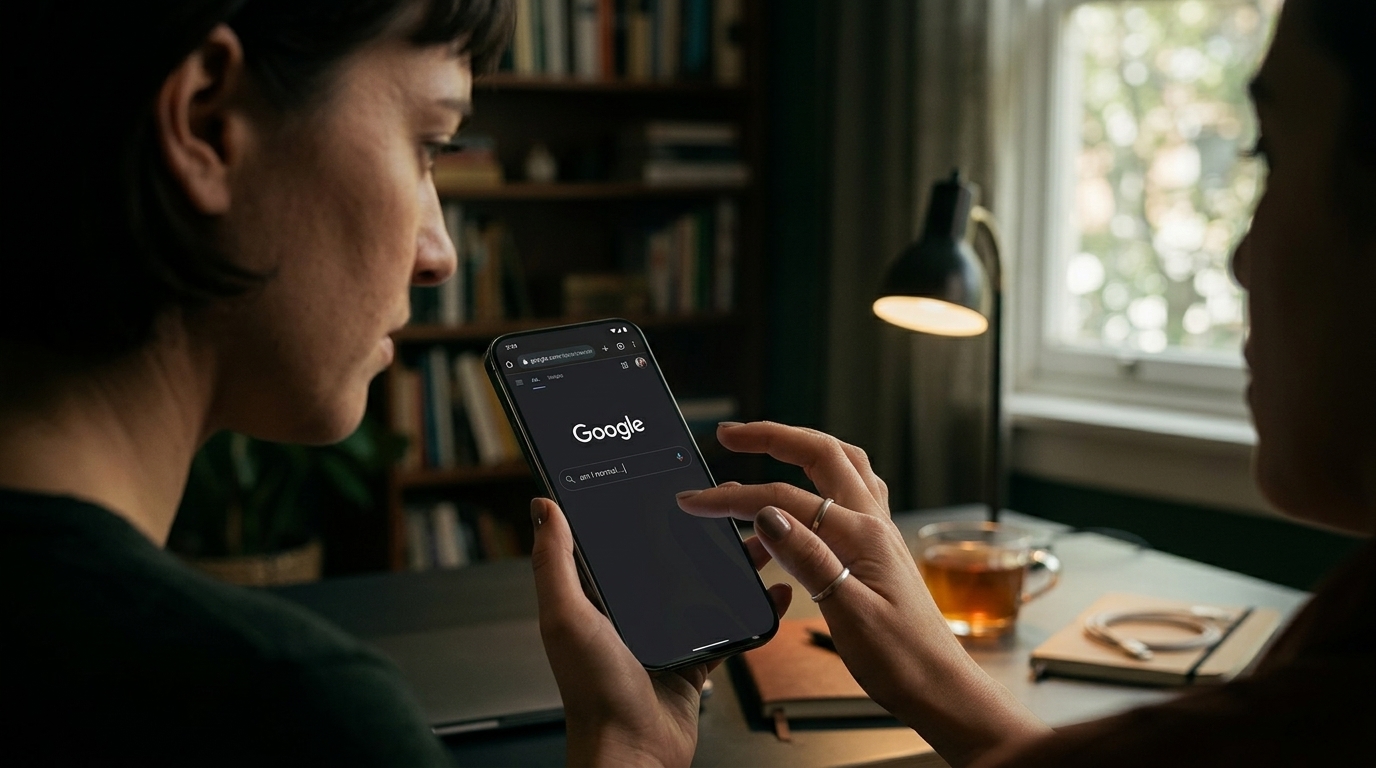
In the age of social media, our public persona is a carefully curated architectural feat. On Instagram, we are adventurous; on LinkedIn, professionally flawless; and on Facebook, socially conscious. However, there is one place where the mask crumbles: the white search bar of Google. There, away from the prying eyes of others, modern humans reveal their deepest fears, insecurities, prejudices, and desires. As data analysts suggest, Google is not just a search engine; it is the ultimate digital confessional.
The 'Truth Serum' of Big Data
The concept of 'social desirability bias' is a well-known pitfall in psychology and polling. People tend to lie to researchers, doctors, and even themselves to appear better, healthier, or more moral. But the analysis of anonymous, aggregate Google data—an approach popularized by former Google data scientist Seth Stephens-Davidowitz—reveals a starkly different reality.
According to the data, people use Google to ask questions they would never dare utter aloud. From embarrassing medical concerns ('is this bump normal?') to dark thoughts about their relationships ('do I hate my husband?'), Google becomes the recipient of raw human experience. Data shows that searches for topics like depression, sexual dysfunction, or racial prejudice spike during the hours when people are alone, typically late at night.
The Chaotic Gap Between Instagram and Google
The contrast between what we post and what we search for is chaotic. While social media posts often revolve around success and happiness, Google searches reveal an epidemic of insecurity. For instance, while photos of lavish meals flood our feeds, searches for 'how to save money on food' or 'panic attack symptoms' remain consistently high.
This duality suggests that we live in two parallel worlds. One is the world of 'performance,' where acceptance depends on likes, and the other is the world of 'need,' where Google acts as an objective, non-judgmental advisor. Data analysis shows that people more frequently seek advice on how to handle loneliness than how to throw a party, despite the image of sociability they strive to project.
Prejudices and the Dark Side
Perhaps the most unsettling finding of search data research is the persistence of prejudice. In anonymous surveys, most people claim they are not racist or sexist. However, searches for racist jokes or derogatory terms for specific social groups tend to spike during periods of political tension. This proves that Google records the 'backside' of our culture—the part that political correctness has managed to remove from public discourse, but not from human consciousness.
"Google is the most important mirror humanity has ever built, because it doesn't show how we want to look, but who we truly are when no one is watching."
Furthermore, economic anxiety is captured with surgical precision. Before official indices indicate a looming economic crisis, searches for 'loans,' 'foreclosures,' and 'food stamps' have already begun to rise. Google, in fact, knows the state of the global economy and public health long before government agencies do, simply by observing shifts in users' daily anxieties.
The Price of Digital Honesty
This massive collection of 'honest' data raises significant ethical questions. If Google knows our most private thoughts, who guarantees that this information won't be used against us? Targeting advertisements based on our insecurities (e.g., weight loss ads for someone searching 'how to lose weight fast') is already a reality. The next stage could involve the use of this data by insurance companies or employers.
However, there is a positive side. Understanding what truly concerns people can help in crafting better social policies. If authorities know that a specific area has a surge in searches for suicidal thoughts, they can preemptively intervene with mental health resources. Truth, however harsh it may be, remains the most valuable tool for improving the human condition.
Conclusion: The Need for Connection
Ultimately, what people are looking for on Google when no one is watching is a confirmation that they are not alone. They seek to know if their pains, their fears, and their strange thoughts are 'normal.' In a world that demands perfection, the search bar is the only place where we are allowed to be imperfect, confused, and vulnerable. Perhaps the greatest revelation of Google data is not our dark side, but our shared desire for understanding in a digital universe that often feels cold.