In the high-stakes world of modern technology, Artificial Intelligence (AI) is often compared to a powerful brain requiring immense energy to function. However, the true bottleneck in its evolution is not a lack of raw processing power, but a fundamental architectural flaw that scientists call the "memory wall." Groundbreaking research from the USC Viterbi School of Engineering now promises to demolish this barrier, achieving performance levels 10 times faster with 10 times less energy consumption.
The von Neumann Bottleneck and the Cost of Movement
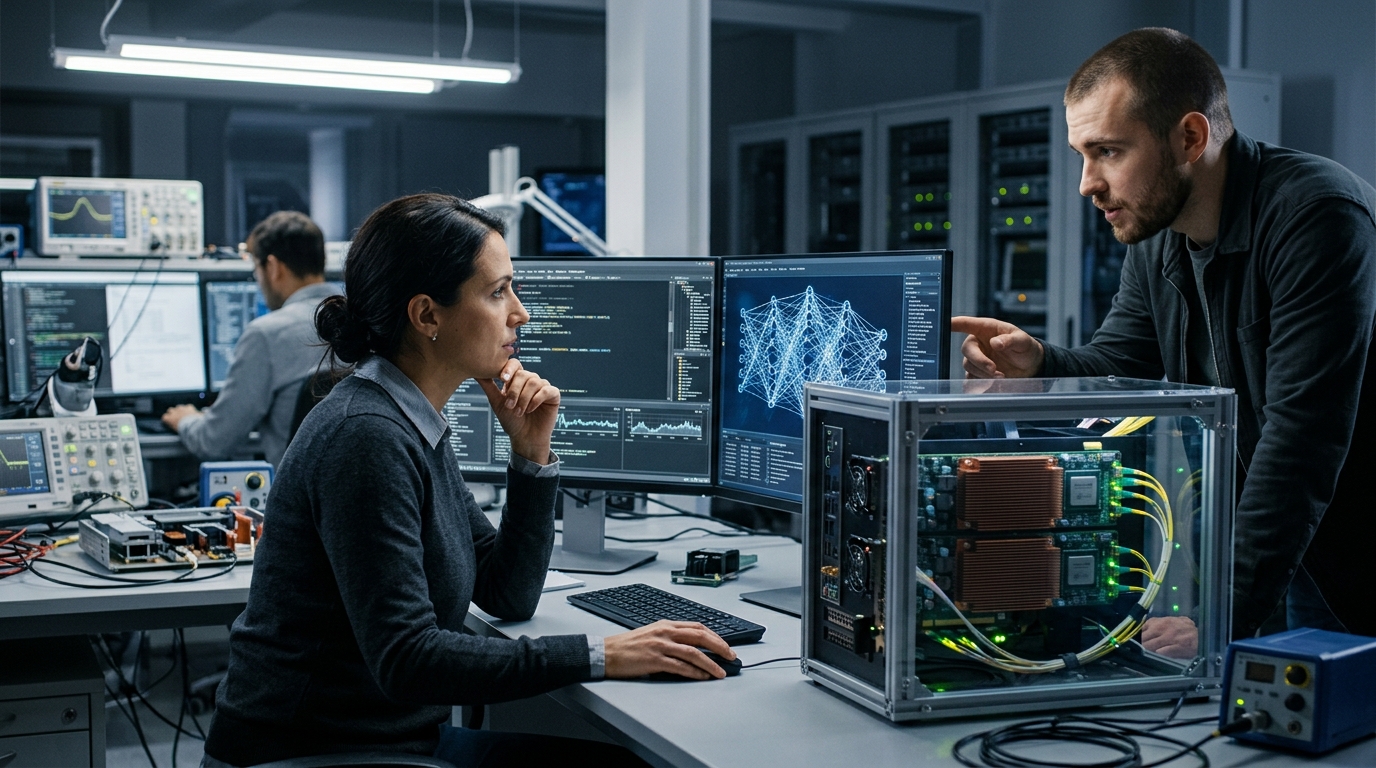
For decades, computers have relied on the von Neumann architecture, where the processing unit (CPU or GPU) is physically separated from the data storage unit (RAM). Every time an AI needs to perform a calculation, data must "travel" from the memory to the processor and back. This constant data movement is the single largest source of energy consumption and latency in modern AI systems.
According to USC researchers, the energy required to move data can be up to hundreds of times greater than the energy required for the actual computation. As AI models like GPT-4 grow in scale, this problem compounds exponentially, leading to massive operational costs for data centers and a significant environmental footprint.
The Innovation: Coding Theory and Algorithms
The team at USC Viterbi, led by Professor Salman Avestimehr, didn't just try to build a faster processor; they changed how data "communicates" with the hardware. They utilized Coding Theory—the same mathematical foundation that allows our mobile phones to communicate without errors—to optimize information flow.
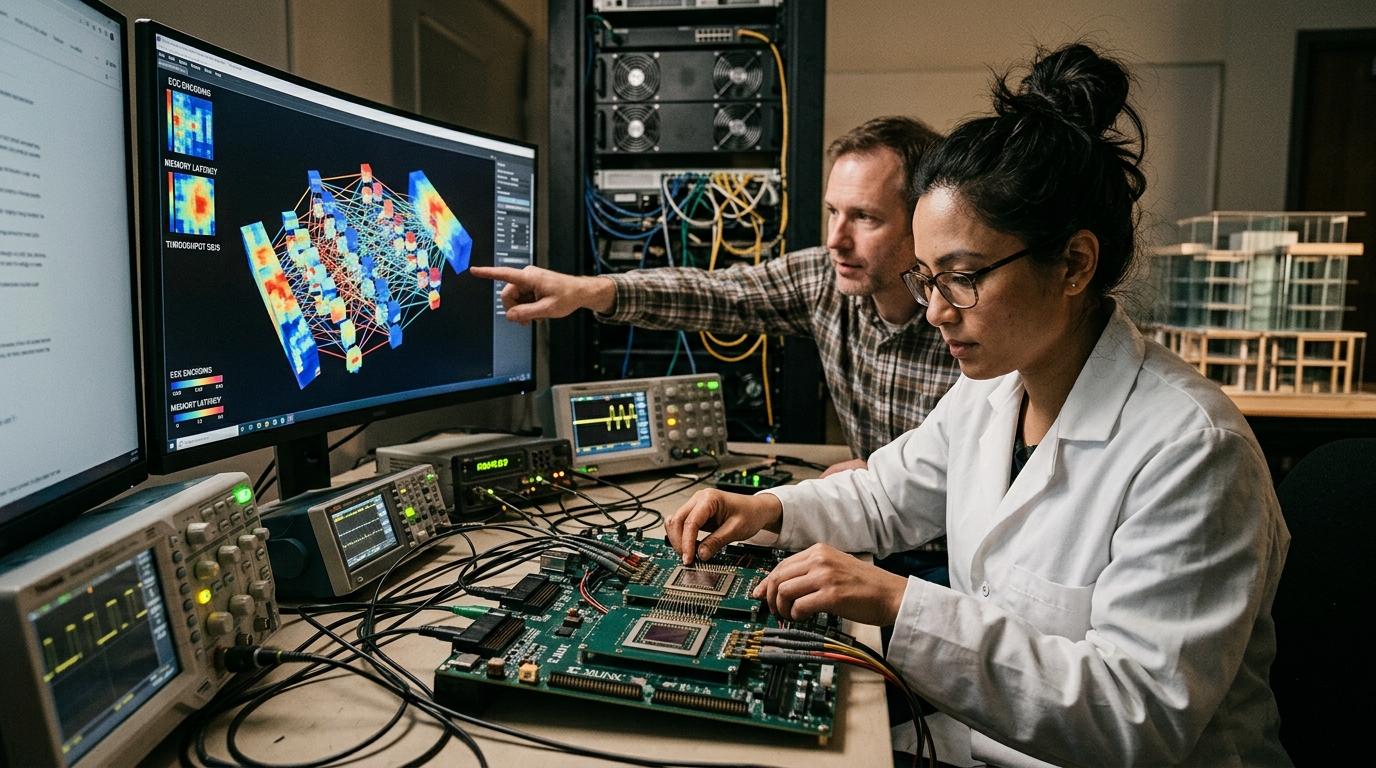
Instead of moving raw data, the researchers developed algorithms that "encode" computations in a way that minimizes the number of memory accesses. This method, known as Coded Computing, allows the system to execute parallel processes without creating congestion in communication channels. The result is a staggering improvement: AI can now be trained and operated using only 1/10th of the resources previously required.
Towards Green and Accessible AI
The implications of this discovery are profound and multifaceted. First, sustainability. The current trajectory of AI energy consumption is considered unsustainable for the planet. A tenfold reduction in energy could allow for continued technological growth without the need to build dozens of new power plants specifically for data centers.
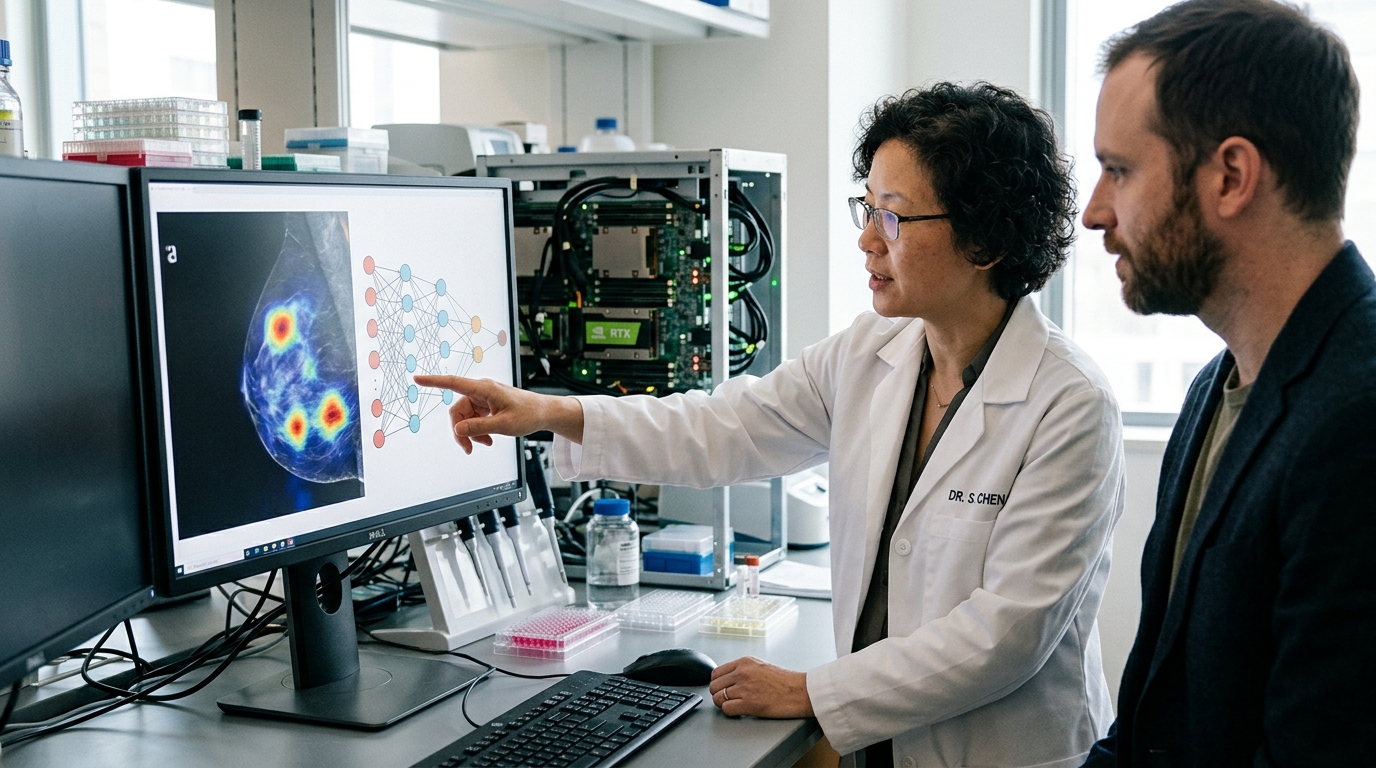
Second, the democratization of technology. Today, only giants like Google, Microsoft, and OpenAI can afford the costs of training large models. By reducing hardware requirements, smaller companies and research institutions will be able to develop their own AI solutions. Furthermore, this technology paves the way for Edge AI: powerful artificial intelligence running locally on smartphones, medical devices, and sensors without relying on the cloud.
The Future of Hardware-Software Co-design
The USC Viterbi research highlights a significant shift in the industry: the solution to hardware problems no longer lies solely in physics (e.g., smaller transistors) but in mathematics and algorithmic design. Collaboration between computer scientists and hardware engineers is now essential to overcome the physical limits of silicon.
As we move toward 2027, the adoption of such algorithmic solutions is expected to become the new standard in the semiconductor industry. The ability to do more with less is no longer just a financial goal but a necessity for the survival and evolution of our digital society.