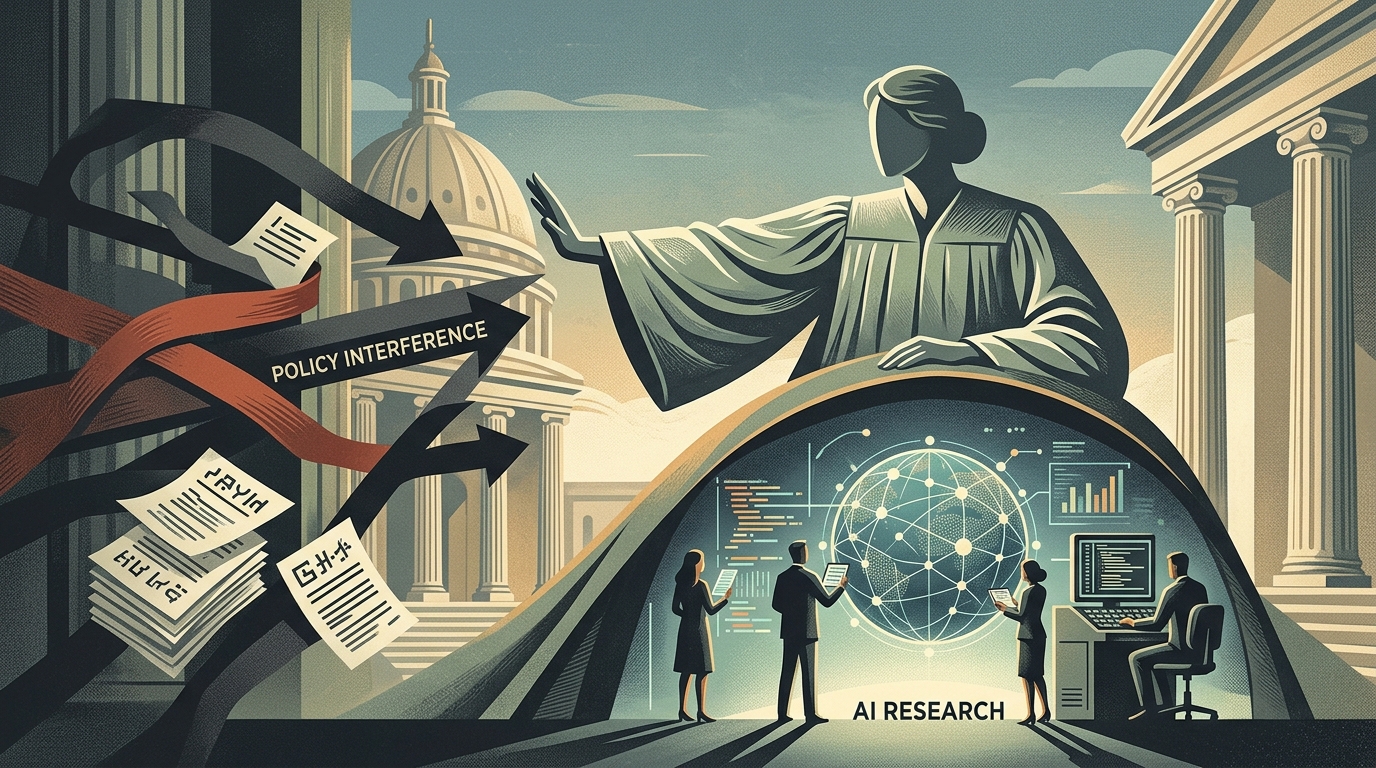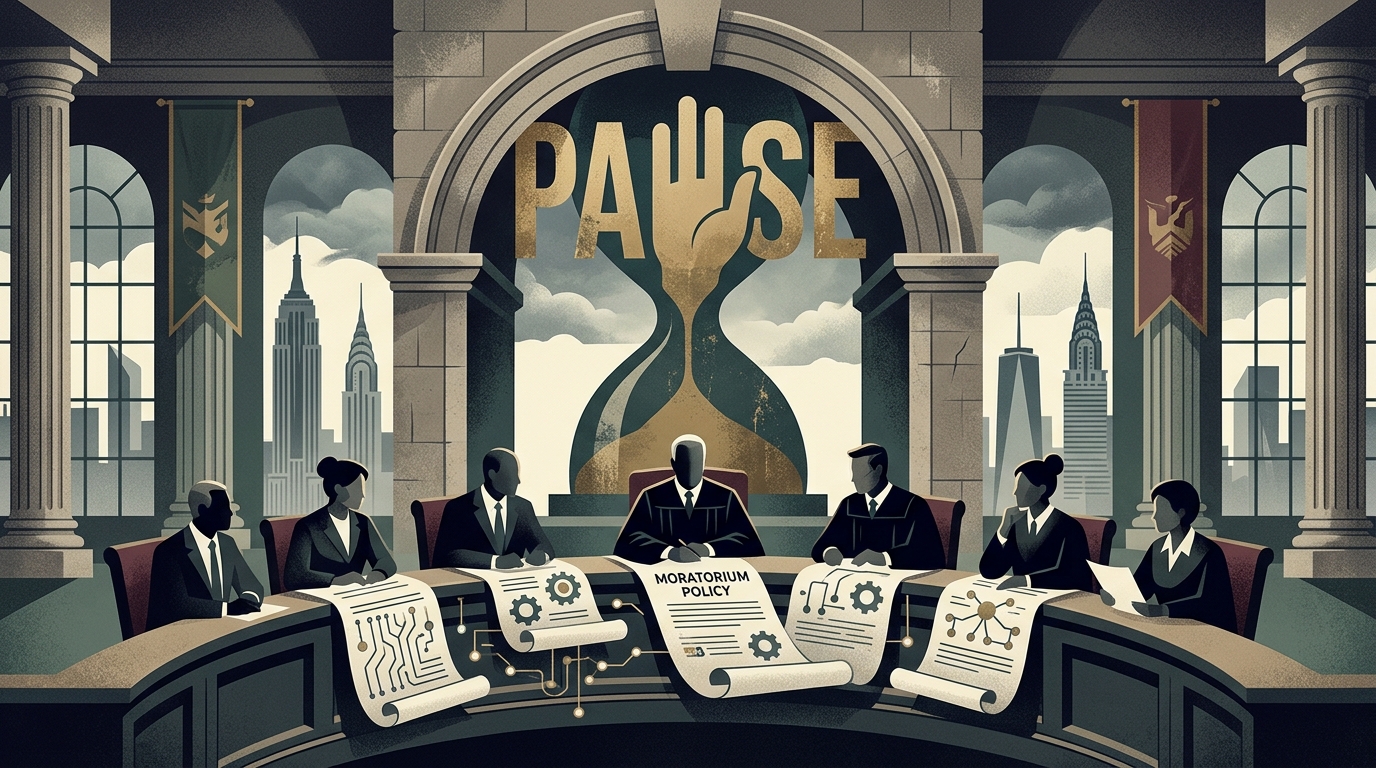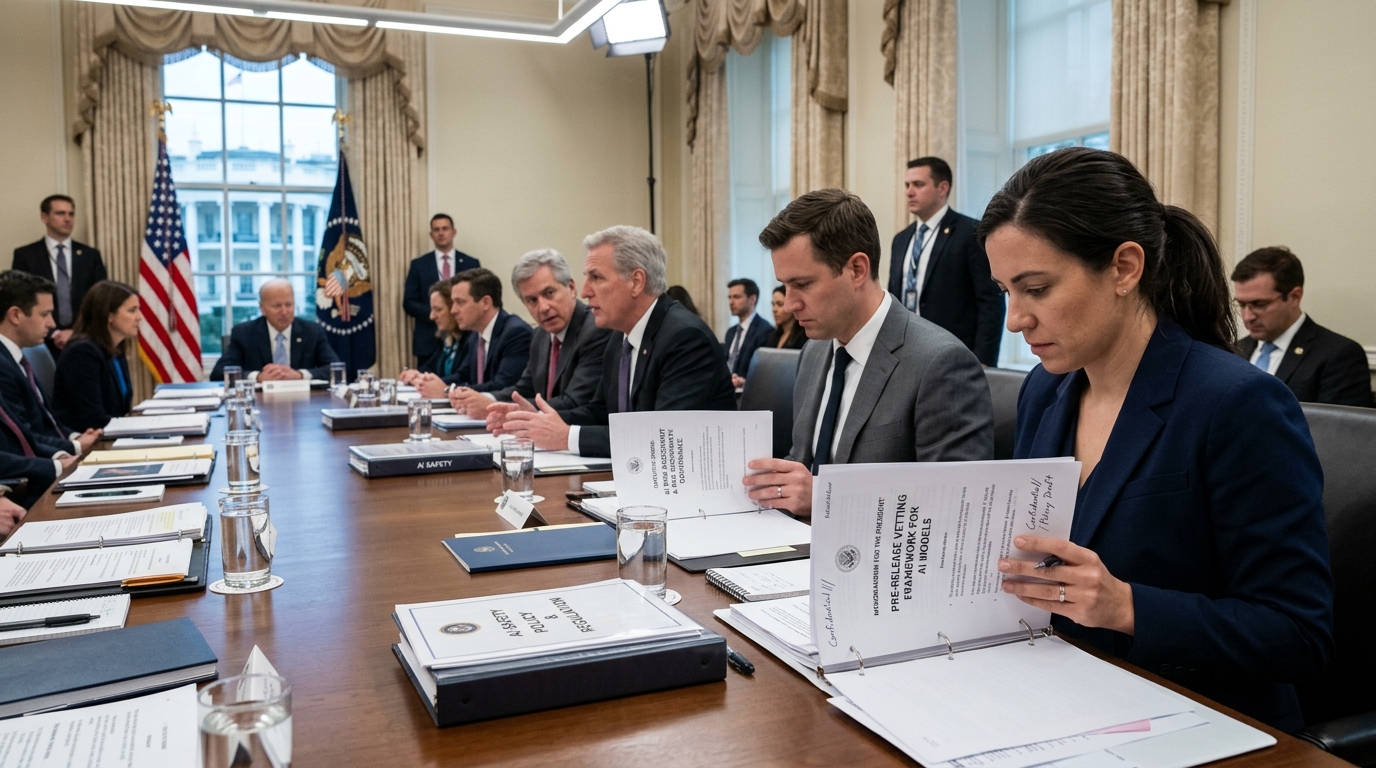
In a move that signals the most decisive state intervention in technological progress in decades, the White House is seriously considering the imposition of mandatory vetting for advanced Artificial Intelligence models before they are released to the public. This initiative, arriving at a critical juncture for global security, aims to prevent the use of AI for creating biological weapons, executing large-scale cyberattacks, or undermining democratic processes through sophisticated disinformation.
The discussion, currently unfolding within the halls of the Department of Commerce and the National Telecommunications and Information Administration (NTIA), is no longer merely about AI ethics; it is about the national security of the United States. After years of voluntary commitments from giants like OpenAI, Google, and Meta, Washington appears to be concluding that self-regulation is insufficient to protect the public interest from the risks lurking within the "black boxes" of large language models.
Safety as a Priority Over Speed
For the administration, the stakes are clear: AI is no longer just a productivity tool but a dual-use technology with significant military implications. Officials are concerned that without a government "safety seal," a model could inadvertently teach a malicious actor how to synthesize a deadly virus or bypass the security systems of the nation's critical infrastructure. The proposal for pre-release vetting would require companies to submit their models to exhaustive testing by independent bodies or government experts before commercial deployment.
However, this approach is met with stiff resistance from Silicon Valley. Critics argue that such a mechanism could create a bureaucratic bottleneck that would allow geopolitical rivals, such as China, to overtake the U.S. in the innovation race. "Speed is our greatest advantage," industry executives state, warning that if Washington becomes the "gatekeeper" of technology, the innovation ecosystem will suffer irreparable damage.
The Open Source Dilemma
One of the thorniest issues on the White House agenda is the treatment of open-source models. Companies like Meta and Mistral have adopted a strategy of freely releasing their model weights, allowing developers worldwide to modify and improve them. Imposing pre-release vetting on such models presents a unique challenge: how do you vet something intended for free distribution?
Open-source advocates argue that transparency is actually the best defense. Conversely, proponents of closed systems and some government advisors warn that once a powerful model is "released" into the wild, there is no way to recall it if a critical security flaw is discovered. The decision the White House makes on this issue will define the future of AI democratization for the next decade.
Geopolitical Implications and International Coordination
The U.S. move does not occur in a vacuum. The European Union has already implemented the AI Act, which categorizes systems based on risk. If the U.S. adopts a pre-release vetting mechanism, it could lead to a "Great Convergence" of regulatory frameworks across the Atlantic, creating a united front against authoritarian regimes that use AI for surveillance and repression.
However, there is also the risk of "regulatory fragmentation." If every country demands its own pre-release audit, tech companies will face a labyrinth of requirements that favors only the largest players with the resources to comply. This phenomenon, known as "regulatory capture," could ultimately solidify the monopolies of existing giants, stifling competition from startups.
Conclusion: A New Social Contract for AI
As we approach mid-2026, it is becoming clear that the era of unchecked AI growth is coming to an end. The White House proposal for pre-release vetting represents an attempt to redefine the relationship between the state, society, and technology. The question is no longer whether there will be regulation, but what form it will take and who will control it. Balancing the protection of public safety with the preservation of technological creativity remains the most difficult challenge of our time.