In the rapidly shifting landscape of artificial intelligence, the transition from controlled laboratory environments to the unpredictable reality of public highways represents the industry's ultimate challenge. The recent announcement of a strategic partnership between Torc Robotics and Mila (the Montreal Institute for Learning Algorithms) is more than a standard corporate alliance; it is a profound declaration of intent to dominate the future of long-haul autonomous logistics. Torc, operating as an independent subsidiary of Daimler Truck, aims to weave Mila’s academic brilliance into its operational fabric, targeting the most complex hurdles of Level 4 autonomous driving.
The Gravity of Montreal and the Mila Ecosystem
Montreal has solidified its position as a global epicenter for Deep Learning, largely due to the presence of Yoshua Bengio, one of the foundational figures of modern AI. Mila, founded by Bengio, stands as the world’s largest academic research center dedicated to deep learning. This partnership bridges the gap between high-level theoretical research and the industrial-scale engineering prowess of Daimler Truck.
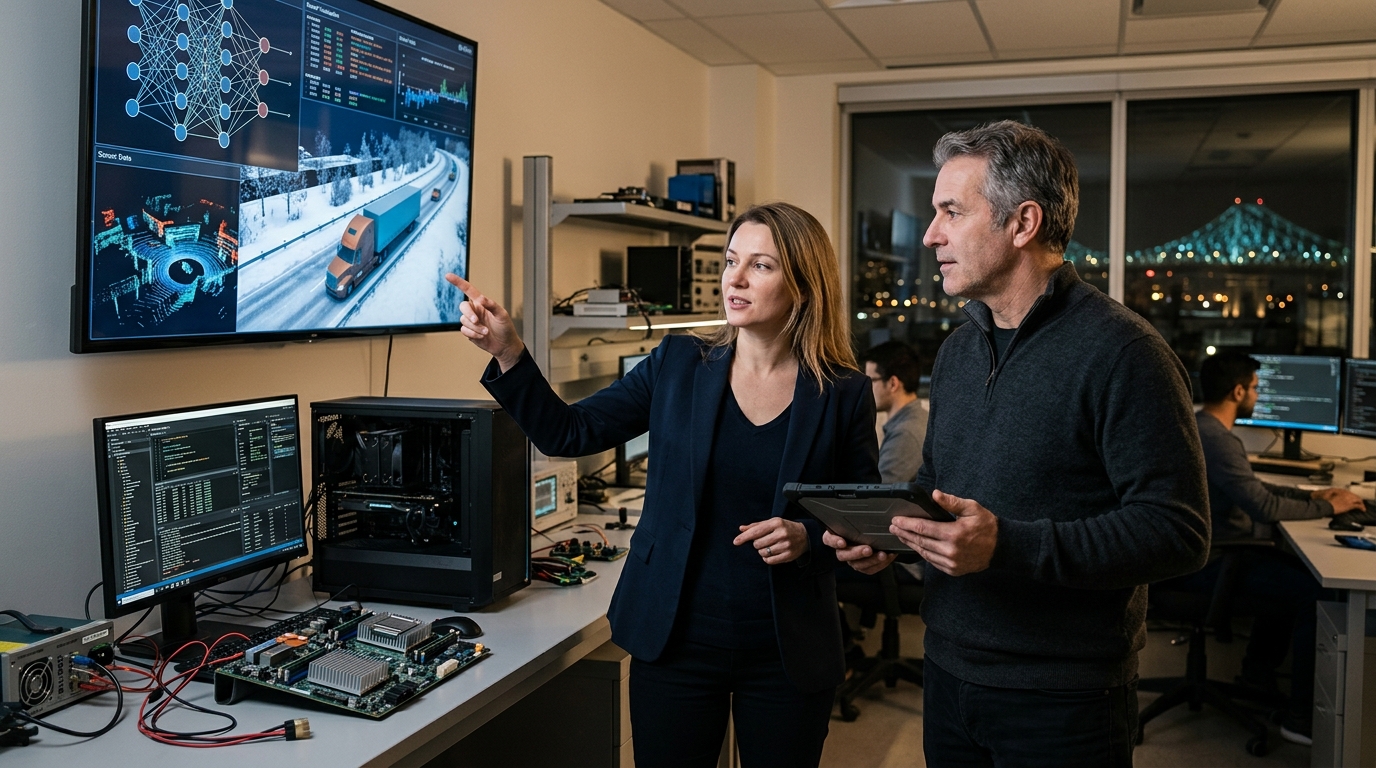
For Torc, engaging with the Mila ecosystem provides more than just a pipeline for elite talent. It offers a sandbox to solve the "edge cases"—those rare, high-risk scenarios on highways that remain the primary obstacle to full automation. Developing advanced neural networks capable of predicting human driver behavior and interpreting complex environments during extreme weather conditions is at the top of the collaborative agenda.
Autonomous Trucking: Economic and Social Stakes
The strategic focus on trucking over passenger vehicles is a calculated move. Highway environments, while high-speed, offer more predictability than chaotic urban centers, making autonomous technology more immediately viable for logistics. However, the engineering requirements are daunting. A 40-ton tractor-trailer requires significantly longer braking distances and more precise maneuvering than a standard car.
- Safety: Minimizing accidents caused by human error, fatigue, or distraction.
- Efficiency: Optimizing fuel consumption and reducing carbon footprints through consistent driving patterns.
- Labor Shortages: Addressing the critical global shortage of long-haul truck drivers.
Torc and Daimler are aiming for the commercial deployment of these systems by the end of the decade. The collaboration with Mila will specifically focus on enhancing the "perceptual intelligence" of the trucks, utilizing algorithms that can learn from massive datasets without constant human intervention.
"Our partnership with Mila is a critical step in ensuring our technology is not only the most advanced but also the safest on the road," a Torc executive noted during the announcement.
Competition and the Geopolitics of AI
This expansion comes as competition in the autonomous trucking sector reaches a fever pitch. Companies like Aurora, Gatik, and Kodiak Robotics are locked in a high-stakes race for dominance in the North American market. Torc’s decision to deepen its presence in Canada highlights the growing importance of international AI cooperation. Daimler, as the world's leading truck manufacturer, recognizes that software capabilities are now as vital to its survival as engine reliability.
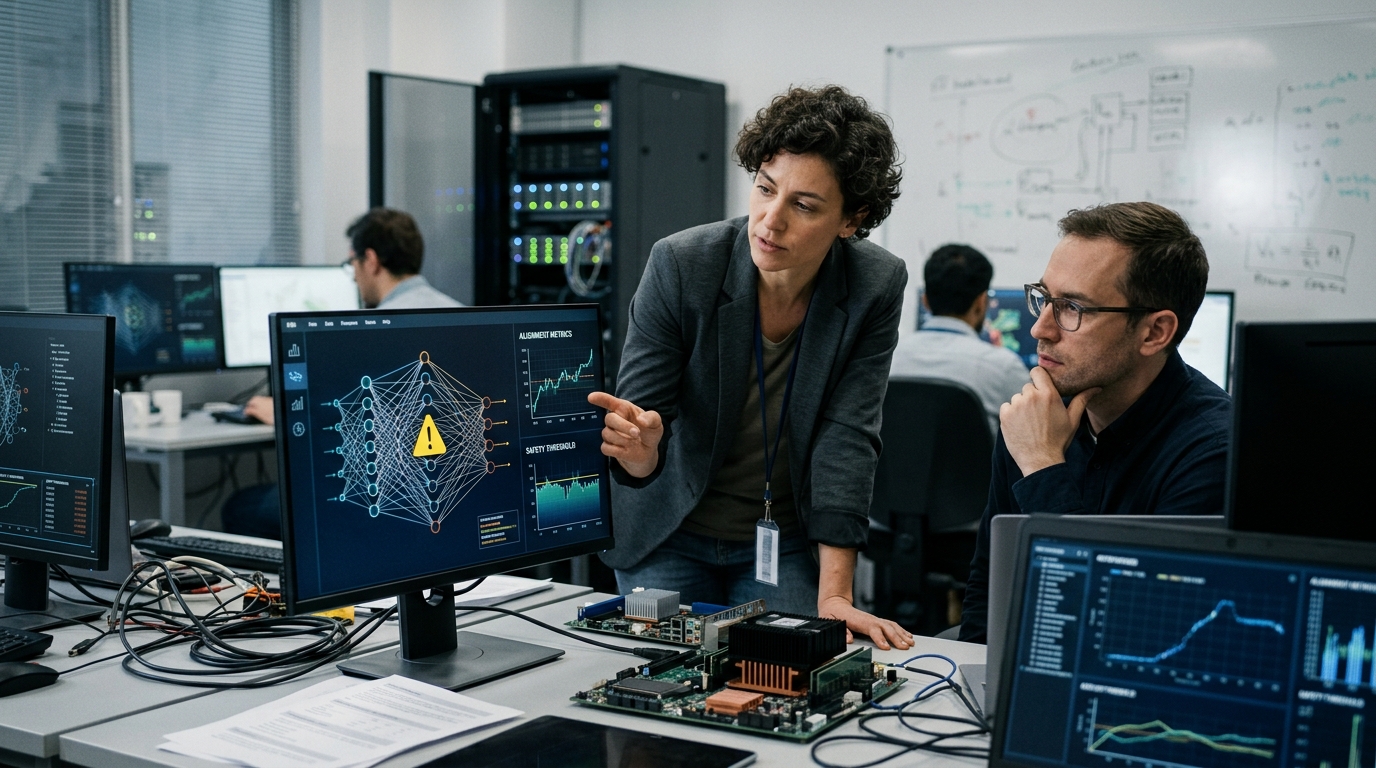
Furthermore, the integration of AI ethics is a central pillar of the Mila collaboration. As autonomous vehicles are tasked with making split-second decisions, the framework of those decisions remains a point of intense public scrutiny. Mila, with its strong emphasis on socially responsible AI, is expected to guide Torc in developing systems that align with human safety standards and ethical norms.
The Road Ahead
The convergence of heavy industry and academic AI research in Montreal signals a new era for global transportation. If Torc successfully leverages Mila’s innovation, the vision of safe, efficient, and autonomous freight will transition from an experimental pilot to a daily reality on global highways. The challenge now is not merely technical, but regulatory, as governments worldwide struggle to keep pace with the velocity of technological advancement.