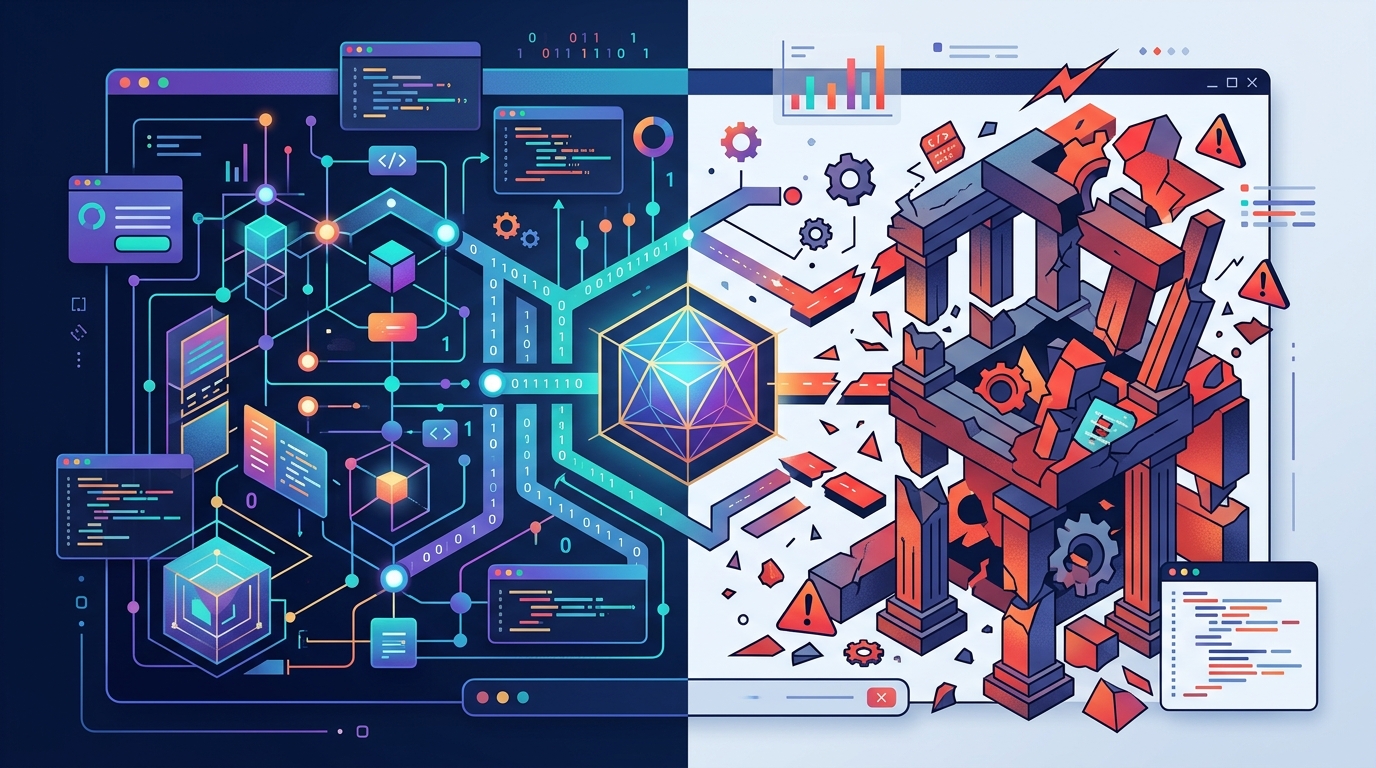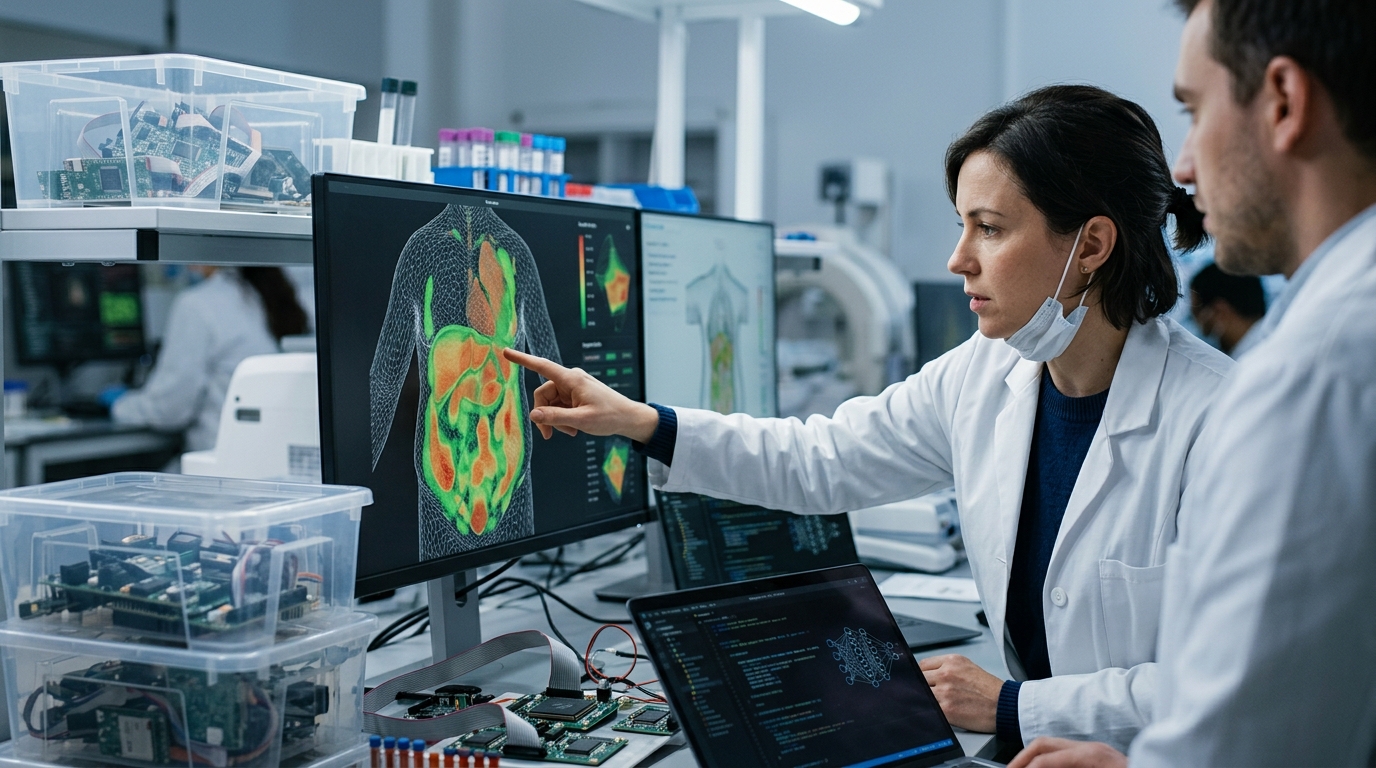
In the rapidly shifting landscape of biotechnology, April 20, 2026, marks a pivotal moment for computational biology. Insilico Medicine, a pioneer in end-to-end artificial intelligence (AI) for drug discovery, has announced the successful validation of its TargetPro–TargetBench framework. This development is far more than a mere technical iteration; it represents a fundamental shift in how humanity identifies the biological drivers of disease and engineers the therapies of tomorrow.
The Critical Bottleneck: Target Identification
The traditional drug discovery process is notoriously inefficient, characterized by exorbitant costs and high failure rates. The first and most vital step is 'target discovery'—identifying a specific protein or gene that plays a causal role in a disease. Historically, this process relied on decades of academic research and a significant degree of serendipity. Yet, 90% of drugs that enter clinical trials fail, often because the initial target was fundamentally flawed. Insilico Medicine’s TargetPro aims to eliminate this uncertainty by utilizing deep learning to ingest and analyze massive datasets of multi-omics (genomics, proteomics, etc.), clinical trial results, and scientific literature.
TargetPro and TargetBench: A Dual-Engine Approach
TargetPro acts as the 'intellectual engine' of the platform. It employs sophisticated algorithms to rank thousands of potential targets based on novelty, confidence scores, and commercial tractability. However, the true breakthrough in this recent announcement is the introduction and validation of TargetBench. This is a rigorous benchmarking framework that allows scientists to verify AI predictions against real-world experimental data and historical successes. As the company’s scientific team notes, TargetBench serves as a 'gold standard,' ensuring that AI-generated hypotheses are not just computationally elegant but biologically robust.
- Multi-Omic Integration: Harmonizing data from global public and private repositories for a holistic view of biology.
- Predictive Analytics: Assessing the likelihood of clinical trial success before a single molecule is synthesized.
- Explainability: Leveraging 'Explainable AI' to provide researchers with the underlying biological rationale for every proposed target.
Impact on the Pharmaceutical Industry
The widespread adoption of such tools by Big Pharma is expected to dramatically slash R&D timelines and expenditures. In an era where bringing a new drug to market can cost billions, Insilico’s ability to accelerate the early stages of research is a game-changer. Furthermore, the TargetPro–TargetBench framework paves the way for addressing rare and neglected diseases. Previously, these conditions were often deemed 'unprofitable' due to the high risks involved in discovery. With AI, identifying targets for orphan drugs becomes economically viable, offering hope to millions who were previously overlooked by the market.
Ethics and the Future of Digital Biology
Despite the optimism, the rise of AI-driven biology raises complex questions regarding data sovereignty and therapeutic access. If an AI discovers a target, who holds the intellectual property? While Insilico Medicine advocates for a collaborative model, global regulatory bodies must establish clear guidelines. As we move further into the late 2020s, the convergence of generative AI and molecular biology promises a world where diseases are no longer insoluble mysteries but engineering challenges to be solved. TargetPro–TargetBench is the manual for this new era of precision medicine.