In the spring of 2026, humanity no longer suffers from a lack of information, but from a profound inability to process it. The era of "Big Data" has matured into the era of "Real-World Insight," and Central Michigan University (CMU) stands at the vanguard of this transition. Through a series of innovative research programs and interdisciplinary collaborations, the university is demonstrating that artificial intelligence and data science are not merely technical tools, but the new lens through which we can decipher the complexities of the modern world.
The Pedagogy of Data-Driven Thinking
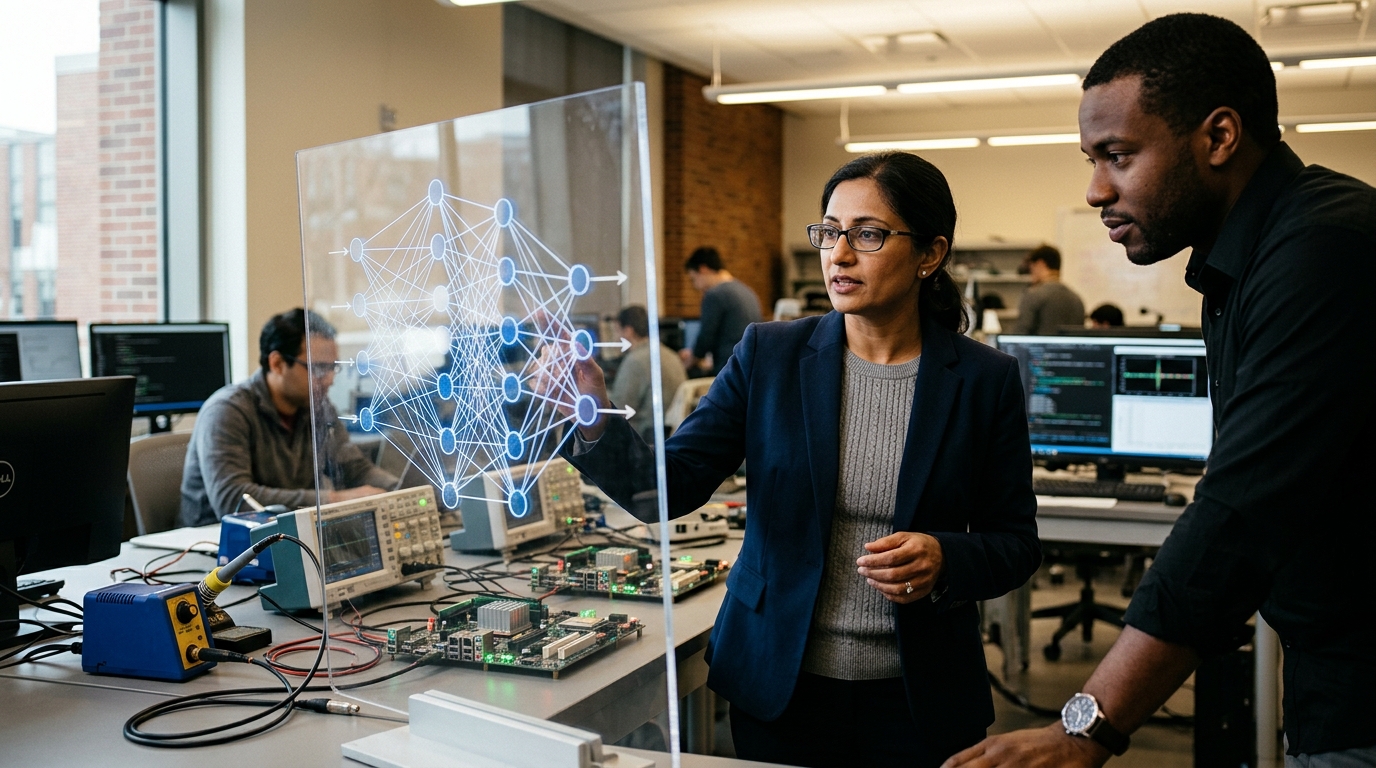
CMU’s approach transcends the traditional silos of Computer Science departments. The core philosophy is that data literacy must be accessible to every scholar, from the sociologist to the molecular biologist. In this context, the university has developed curricula that teach students not just how to build algorithms, but how to ask the right questions. As faculty researchers often remark, "A model is only as robust as the understanding of the context in which it operates."
This paradigm shift is vital. In a world where misinformation and data saturation are daily realities, the ability to discern "signal" from "noise" has become the ultimate 21st-century skill. CMU invests in labs where theory meets practice, utilizing real-world datasets from local communities and industries, ensuring that academic research has a tangible impact on the state of Michigan and the global stage.
Interdisciplinary Research and Social Impact
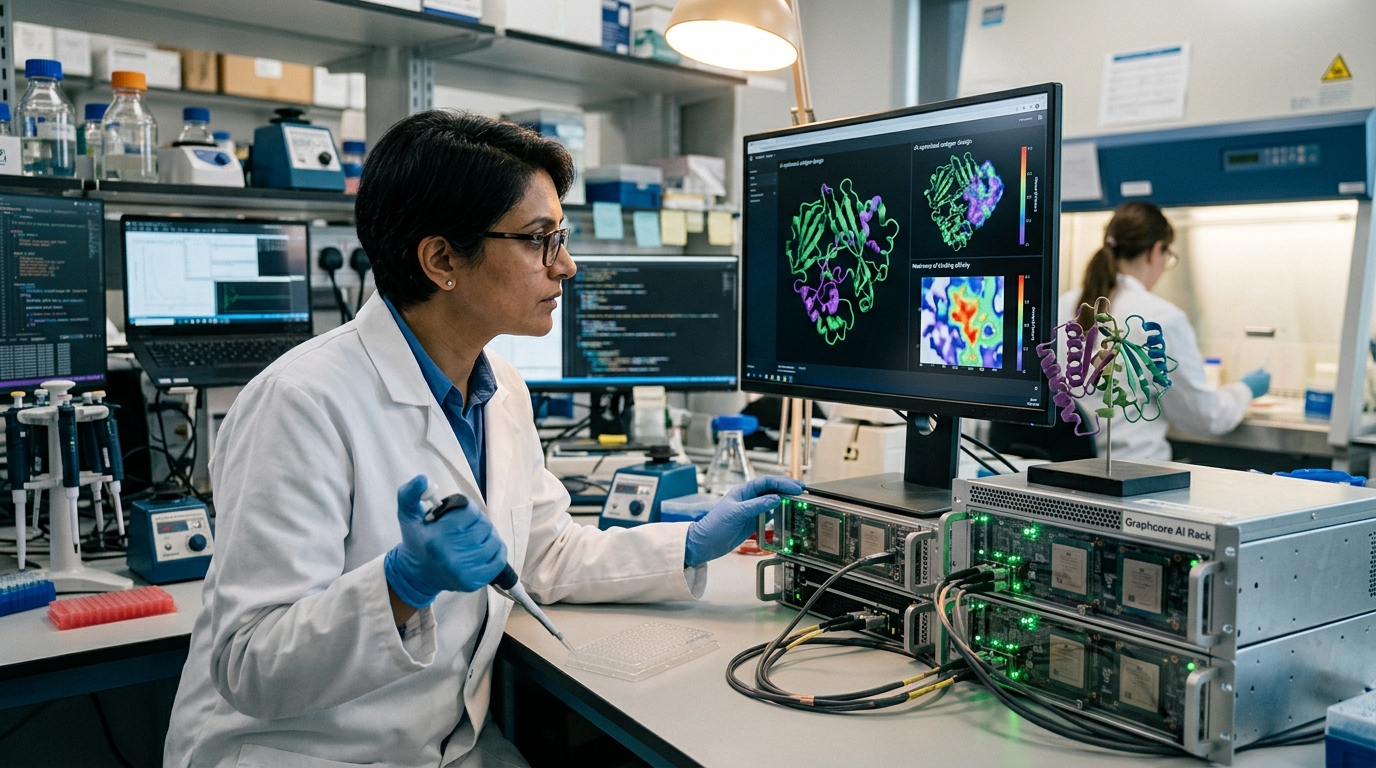
One of CMU’s most compelling areas of focus is the application of data science to public health and environmental stewardship. By leveraging predictive modeling, researchers can identify patterns in epidemiological data that were previously invisible. For instance, analyzing socioeconomic factors alongside healthcare access allows for the creation of more equitable welfare systems.
"We aren't just collecting numbers; we are mapping the human experience to improve the quality of life," states a leading researcher at the Department of Statistics, Actuarial and Data Sciences.
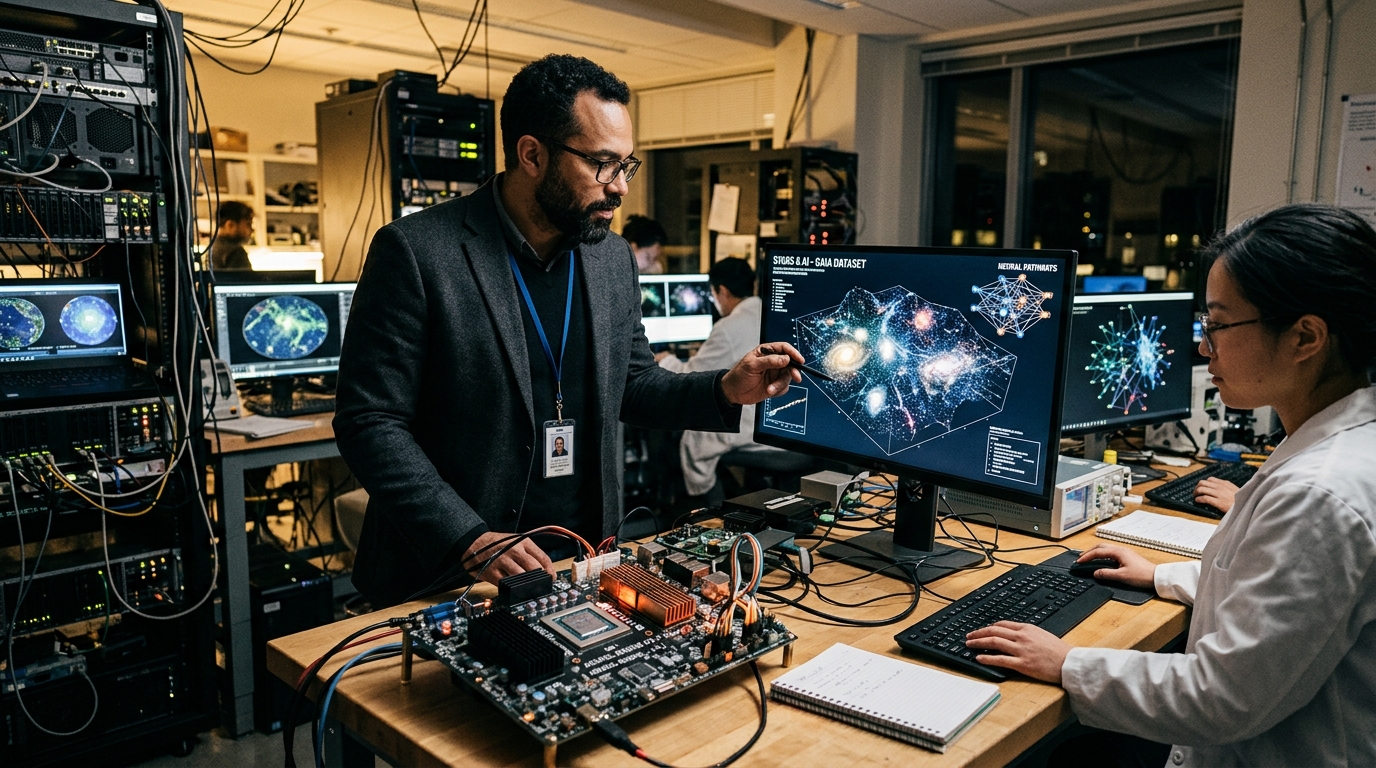
Furthermore, in the realm of ecology, the university utilizes sensors and satellite data to monitor the health of the Great Lakes. AI processes vast amounts of real-time information, allowing scientists to predict toxic algal blooms or changes in water levels with precision that was unthinkable a decade ago. This "actionable insight" translates directly into policy recommendations for ecosystem preservation.
The Ethical Imperative of Information
As the power of data grows, so does the weight of responsibility. CMU places a significant emphasis on the ethical dimensions of artificial intelligence. Students and researchers are challenged to examine the biases inherent in datasets and how these biases can perpetuate social inequalities. The teaching of "algorithmic accountability" is integrated into every level of study.
This approach is particularly crucial in an age where algorithms influence hiring processes, loan approvals, and judicial sentencing. Central Michigan University seeks to cultivate a new generation of scientists who are not merely technocrats, but socially conscious thinkers. Research into "Explainable AI" (XAI) is a top priority, ensuring that machine-led decisions are not "black boxes" but are transparent, understandable, and auditable by human stakeholders.
Conclusion: Toward a New Data Enlightenment
The example set by Central Michigan University illuminates the path forward for higher education. Moving from the accumulation of information to the generation of meaning is the defining challenge of our time. By bridging the gap between academic theory and real-world problems, CMU is not just preparing students for the labor market; it is equipping them to build a more informed and resilient future. In a world drowning in data, the wisdom to use it correctly is our most precious resource.