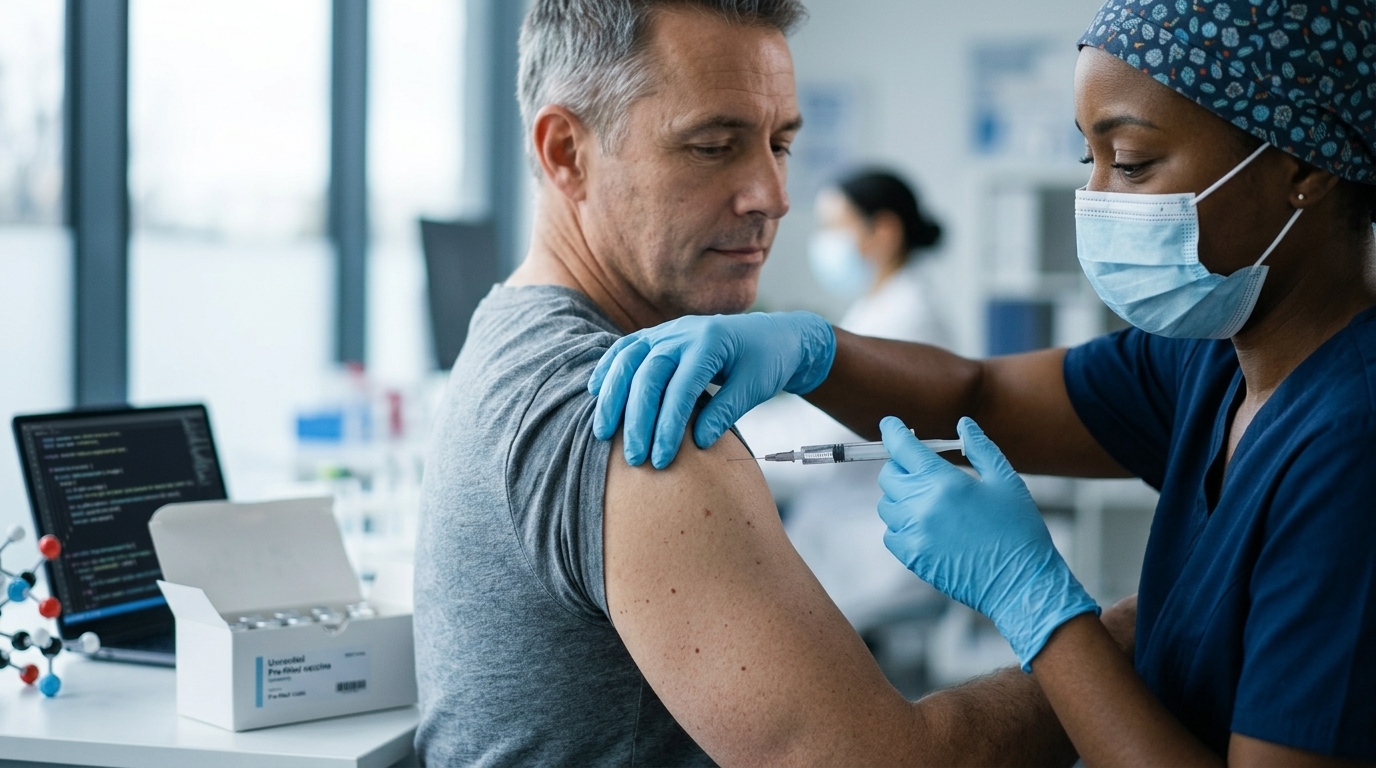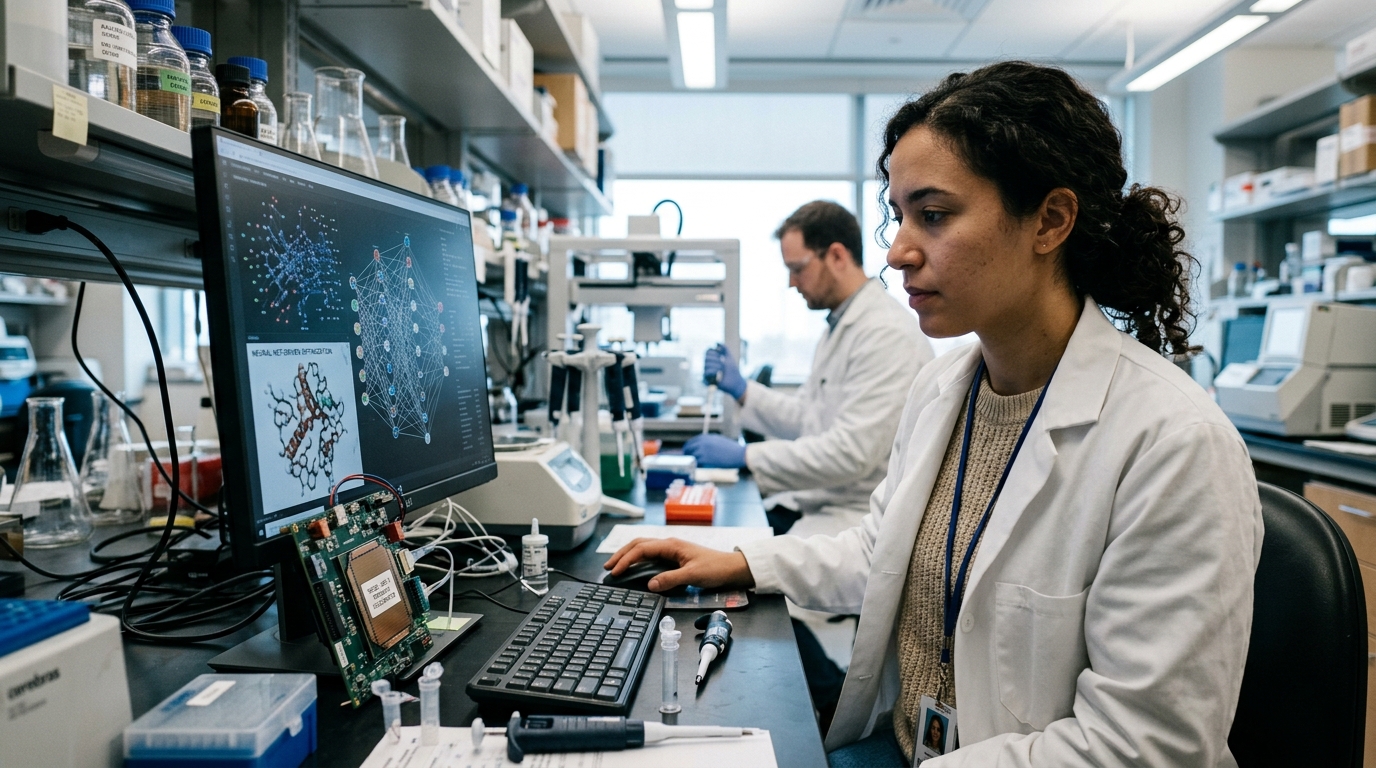
In the intricate ecosystem of biopharmaceuticals, rare diseases represent one of the most daunting frontiers. With over 7,000 known rare conditions affecting millions globally, the urgency for therapeutic intervention is paramount, yet the path to FDA approval is often obstructed by systemic hurdles. A recent discourse on regulatory alignment underscores that Artificial Intelligence (AI) is no longer a mere efficiency tool; it is an indispensable partner in the mission to save lives.
The fundamental challenge in rare disease drug development is the scarcity of data. Traditional clinical trials rely on large patient cohorts to establish statistical significance—a luxury that does not exist when a condition affects only a few hundred individuals worldwide. This is where the necessity for "regulatory alignment" becomes critical: the process by which developers and the FDA agree on non-traditional methodologies to demonstrate efficacy and safety.
The Regulatory Impasse and the Need for Consensus
Aligning with the FDA is not a perfunctory administrative task; it is a strategic dialogue that must commence at the earliest stages of research. For rare diseases, the FDA has shown increasing flexibility, employing pathways such as Accelerated Approval. However, uncertainty remains a significant deterrent. Without clear guidance, biotech firms risk billions on trials that may eventually be deemed insufficient by regulators who are bound by the mandate of safety and efficacy.
AI offers a sophisticated bridge across this divide. By analyzing Real-World Data (RWD), AI can construct a comprehensive narrative of a disease's natural history. This allows researchers to present the FDA with precise models of how a disease progresses without intervention, providing a robust baseline against which trial results can be measured. This data-driven storytelling is essential for gaining regulatory confidence.
"Artificial Intelligence does not replace clinical judgment; it augments it, providing the evidentiary weight that regulators need to make courageous decisions in environments of high uncertainty."
AI: Transforming Small Data into Deep Insights
One of the most transformative applications of AI in this space is the development of Synthetic Control Arms (SCAs). In a conventional trial, half of the participants receive a placebo. In the context of rare diseases, this is often ethically problematic or practically impossible. AI can leverage historical patient data and machine learning algorithms to simulate a control group, allowing all actual trial participants to receive the potentially life-saving treatment.
- Trial Design Optimization: Algorithms can identify which patient subpopulations are most likely to respond to a therapy, reducing noise and increasing the probability of a successful trial.
- Biomarker Discovery: AI scans vast datasets of genetic and proteomic information to find indicators that predict disease progression, which the FDA increasingly accepts as objective measures of success.
- Toxicity Prediction: Simulating drug interactions at a cellular level through AI can flag safety concerns long before human trials begin, protecting vulnerable patient populations.
Ethics, Access, and the Future of Medicine
The integration of AI into the regulatory pipeline is not without its complexities. Questions regarding algorithmic transparency—the so-called "black box" problem—and data bias remain at the forefront of the debate. The FDA has recently issued draft guidances on AI usage, emphasizing the need for reliability, explainability, and rigorous validation.
Furthermore, the implications extend beyond the laboratory. If AI can successfully lower the barriers to FDA alignment, the economic profile of rare disease research shifts. Reduced development timelines and lower failure rates mean that the exorbitant costs currently associated with "orphan drugs" could potentially be mitigated, leading to broader patient access and more sustainable healthcare systems.
In conclusion, the convergence of AI and regulatory strategy marks a new epoch in medicine. We are moving toward a future where the limitation of a small patient population is no longer an insurmountable barrier to innovation. For the rare disease community, AI-driven FDA alignment is not just a technical milestone; it is a moral imperative that promises to turn the tide against the most neglected conditions of our time.