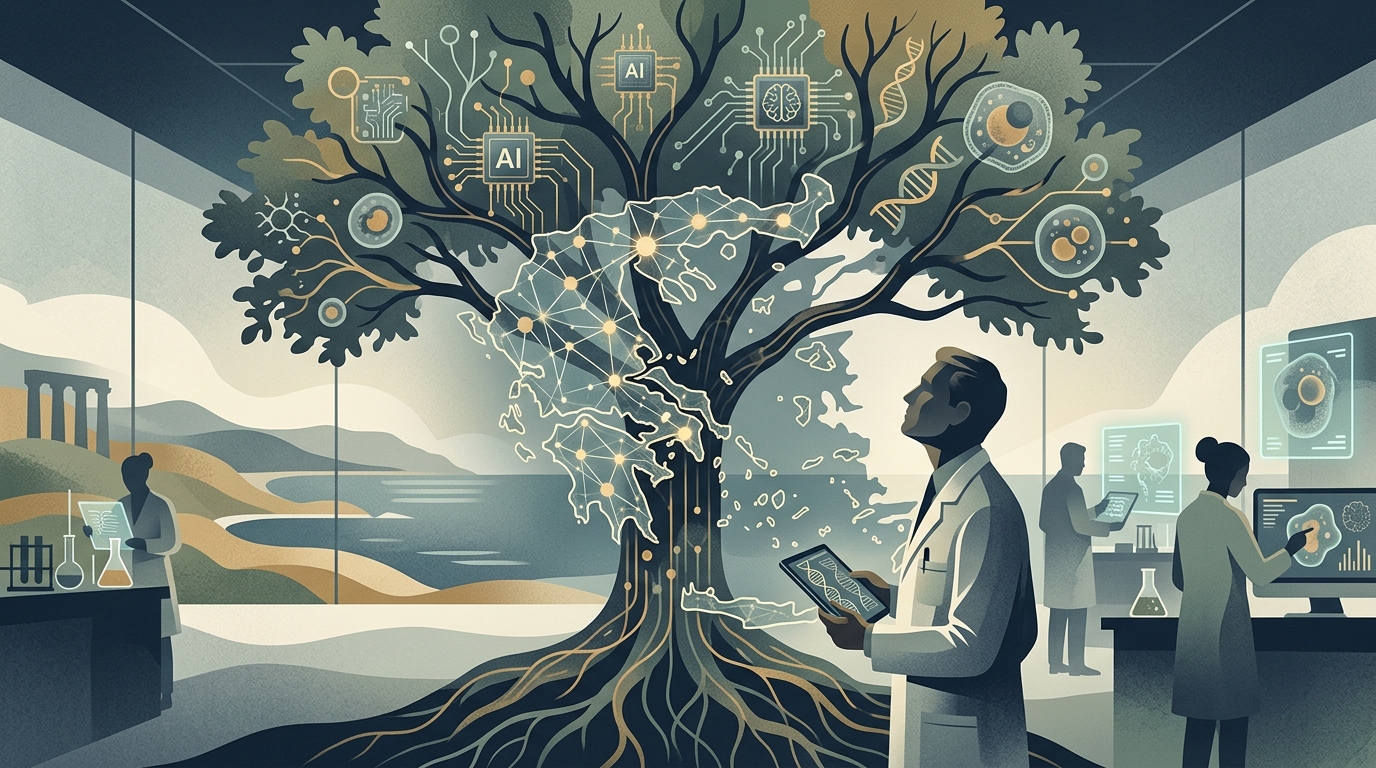
May 17th is recognized globally as Neurofibromatosis (NF) Awareness Day, a genetic disorder that, despite its prevalence, remains largely unknown to the general public. At the heart of this year's observance is the work of Professor Efthymios Skoulakis, a lead researcher at the Institute for Fundamental Biomedical Research of the "Alexander Fleming" Biomedical Sciences Research Center. Dr. Skoulakis, one of the most distinguished scientists in molecular genetics, delivers a message of cautious optimism, emphasizing that research has entered a phase of maturity that promises substantial improvements in patients' quality of life.
The Complexity of Neurofibromatosis
Neurofibromatosis is not a single disease but a group of genetic disorders (NF1, NF2, and Schwannomatosis) that cause tumors to grow along nerves. The most common form, NF1, affects approximately 1 in 3,000 births worldwide. Although these tumors are usually benign, their impact can be devastating: from physical disfigurement and vision or hearing loss to learning disabilities and, in some cases, malignant transformation.
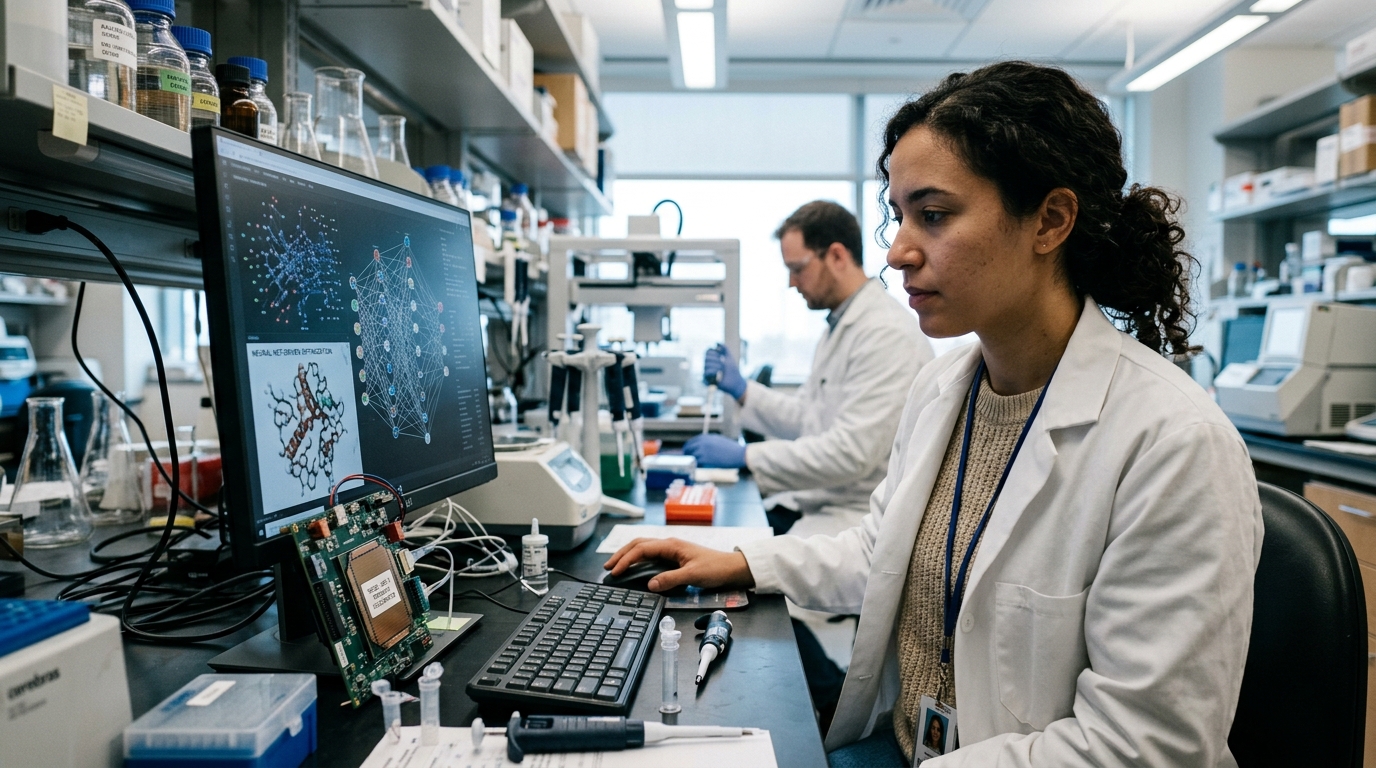
Dr. Skoulakis's research focuses on understanding the molecular mechanisms governing the function of the neurofibromin protein. Using *Drosophila melanogaster* (the common fruit fly) as an experimental model, his team at the "Fleming" Center has managed to map cellular communication pathways that were previously impenetrable. The choice of *Drosophila* is not accidental; 75% of human disease-related genes have counterparts in this insect, allowing researchers to study the disease in a complete organism with speed and precision.
From the Lab to Clinical Practice
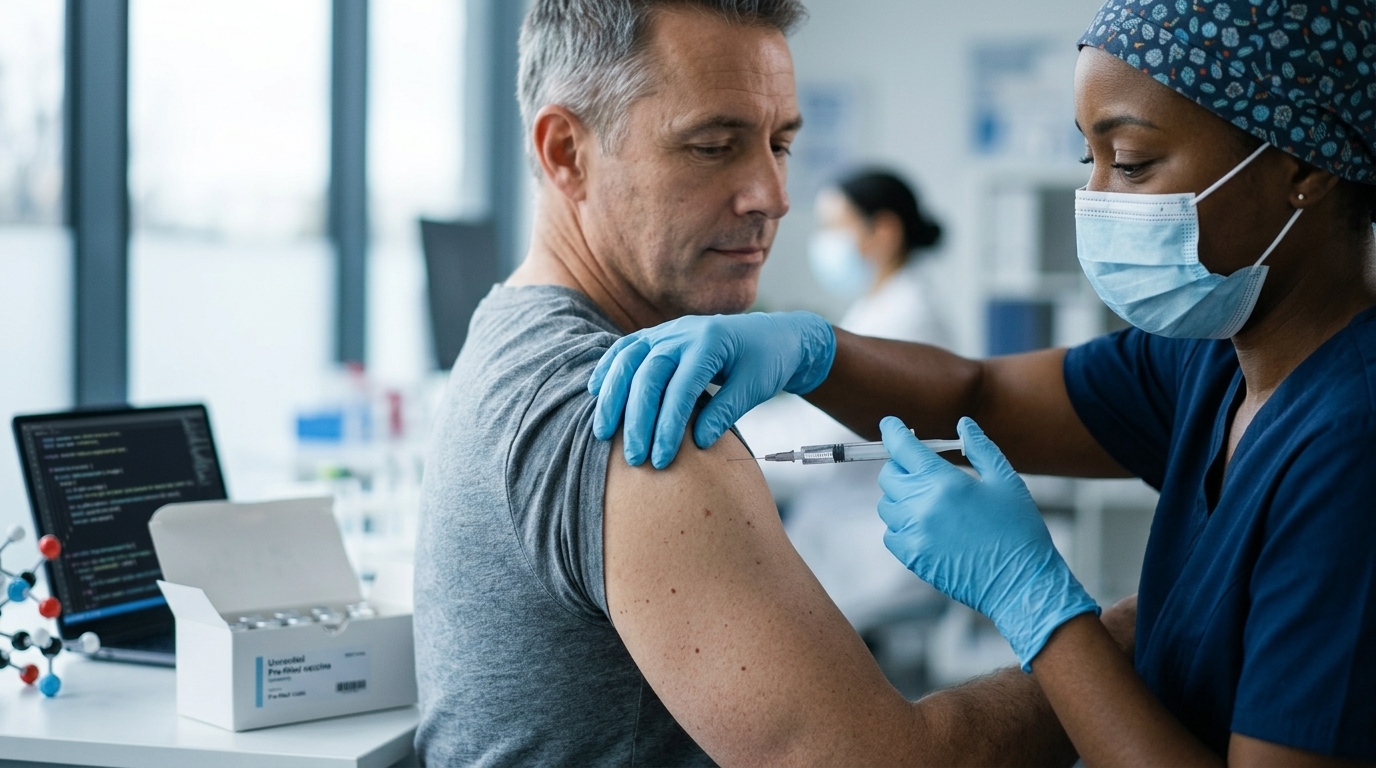
The greatest challenge in rare disease research is "translating" laboratory findings into therapies. Dr. Skoulakis points out that identifying the role of the Ras-MAPK pathway in NF1 paved the way for MEK inhibitors. These drugs, originally developed for cancer, have shown impressive results in shrinking plexiform neurofibromas in children, offering for the first time an alternative to painful and often dangerous surgical procedures.
"We are no longer searching in the dark. We know the molecular 'brake' that patients are missing, and we are working to replace it or bypass its absence," the professor notes.
Furthermore, research in Greece focuses on the cognitive deficits associated with the disease. Many children with NF1 face difficulties with memory and attention. The "Fleming" team investigates how alterations in neurofibromin affect synaptic plasticity, aiming to develop pharmacological interventions that improve learning capacity, beyond tumor control.
The Importance of National and International Collaboration
Neurofibromatosis requires a multidisciplinary approach. In Greece, the collaboration between research centers like "Fleming" and patient associations, such as the Panhellenic Association of Patients and Friends with Neurofibromatosis "Life with NF," is vital. Educating physicians across various specialties (dermatologists, neurologists, oncologists) is essential for early diagnosis, which is often delayed due to the diversity of symptoms.
Dr. Skoulakis also underscores the need for stable funding for basic research. Despite successes, Greece continues to invest less than the European average in cutting-edge research, forcing many talented scientists to seek resources abroad. However, the presence of Greek laboratories at the forefront of global NF research proves that scientific excellence can flourish even in resource-limited environments, provided there is vision and methodology.
The Future: Gene Therapy and Personalized Medicine
Looking ahead, Professor Skoulakis is optimistic about the advent of gene therapies. CRISPR technology and new gene delivery methods offer hope that one day we will be able to correct the error in the NF1 gene at its source. Until then, personalized medicine remains the key. Since each patient carries a different mutation, the ability to test drugs on "models" carrying the patient's specific mutation—an approach supported by *Drosophila* research—will allow for the right treatment to be administered to the right patient, minimizing side effects.
World Neurofibromatosis Awareness Day is not just a reminder of hardships but a celebration of human perseverance. Through the work of scientists like Efthymios Skoulakis, the darkness surrounding this rare condition is receding, giving way to a future where an NF diagnosis will no longer be a source of fear but a manageable condition.