In the intricate world of modern industry, time is not merely money; it is the fundamental metric of efficiency. The Open Shop Scheduling Problem (OSSP) has for decades remained one of the most daunting puzzles in operational research. Unlike other models, in OSSP, operations can be performed in any order, creating an exponential number of possible combinations. A recent study published on ArXiv (2606.13682) proposes a radical solution: utilizing the Transformer architecture in conjunction with Deep Reinforcement Learning (DRL).
The Nature of the Problem: Why OSSP is So Challenging
Imagine a car repair shop where every vehicle needs an engine check, a tire change, and bodywork. In the Open Shop model, it doesn't matter if the tires are changed before or after the engine check. This apparent freedom is exactly what makes the problem NP-hard. As the number of machines and jobs increases, traditional mathematical methods (such as Mixed-Integer Linear Programming) collapse under the weight of computational complexity. Classical dispatching rules, while fast, often fail to find the optimal solution, leading to resource wastage.
The Transformer Architecture as a Catalyst
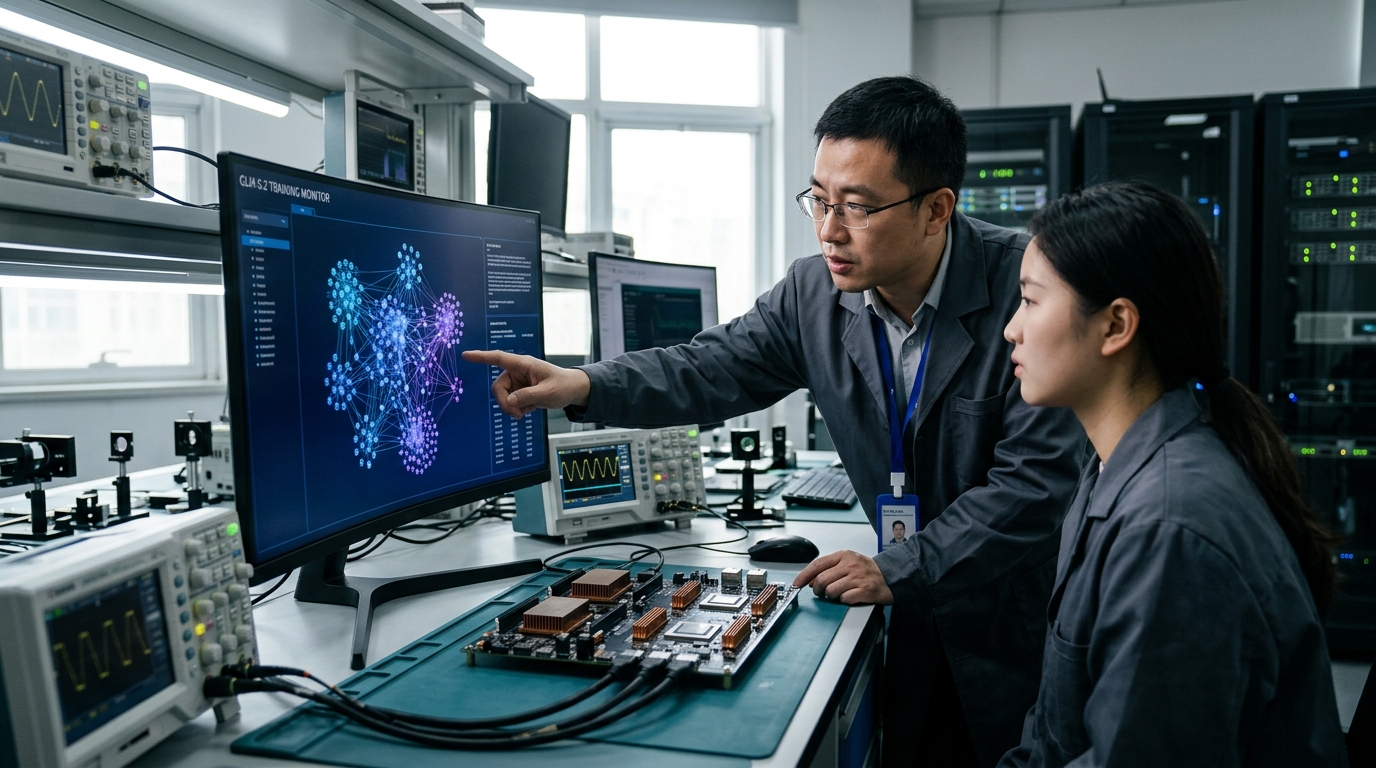
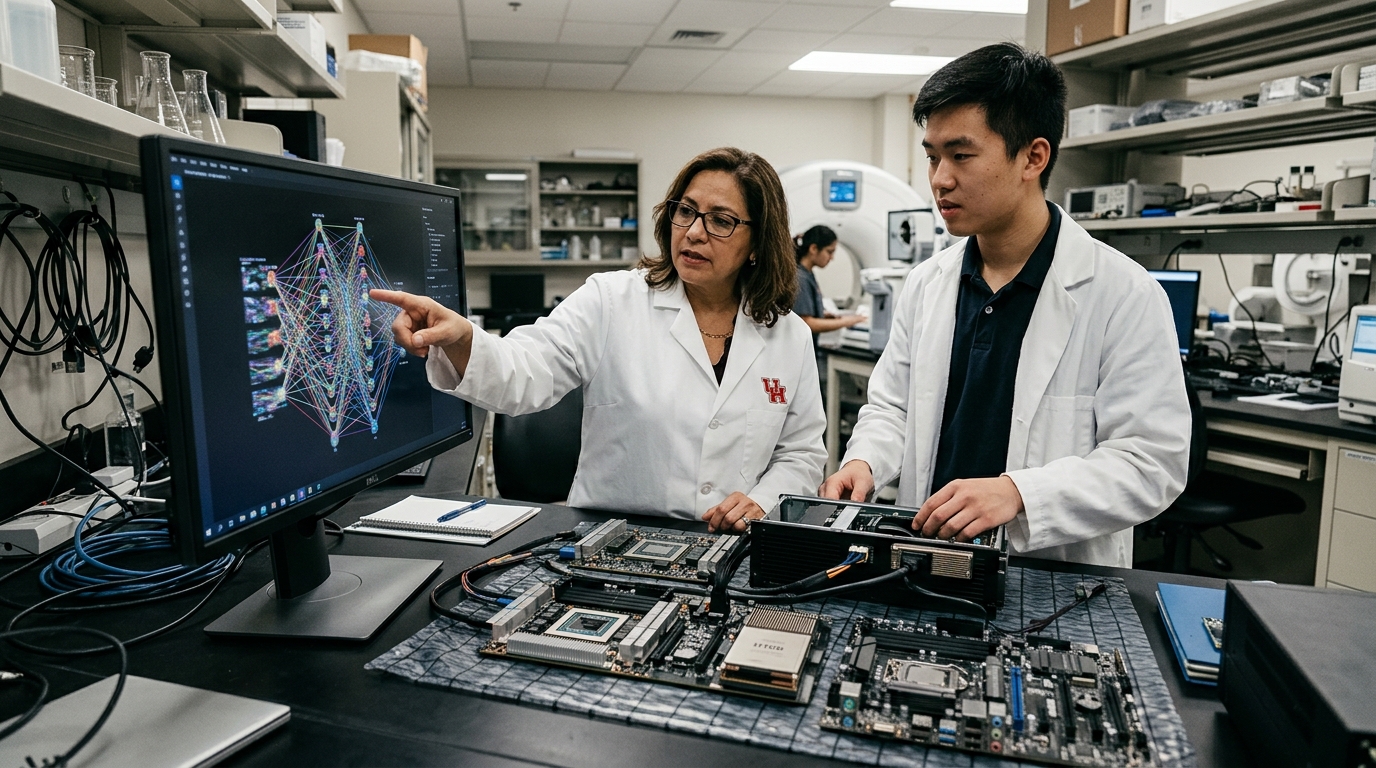
The innovation of this new research lies in adopting Transformers—the technology powering models like GPT—to analyze industrial data. Transformers are distinguished by their ability to recognize complex correlations in large datasets through the 'attention mechanism.' In the context of OSSP, the model can simultaneously 'look' at all available jobs and machine states, evaluating which decision will yield the best long-term result. This approach allows the system to learn from experience rather than following static, human-defined rules.
Deep Reinforcement Learning: Learning Through Trial
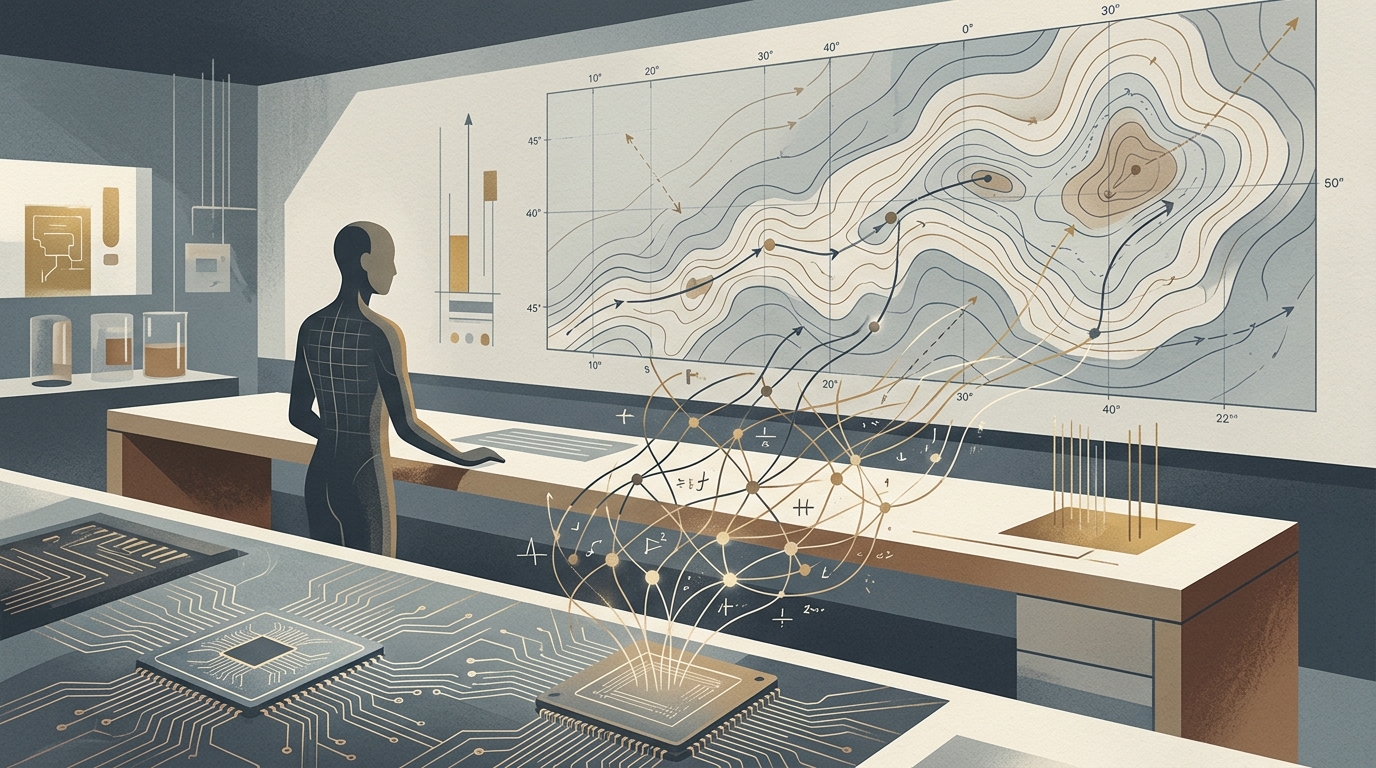
The use of Deep Reinforcement Learning adds a layer of strategic intelligence. The algorithm is trained in simulated environments where it receives 'rewards' for reducing the total completion time (makespan). Over time, the AI agent develops an internal intuition for managing resource conflicts. The most significant advantage is generalization: a model trained on small-scale problems can be applied to much larger and more complex industrial units without requiring retraining from scratch.
"The transition from rigid algorithms to systems that perceive the context of production is the next big step for Industry 4.0," the researchers note.
Implications for the Global Supply Chain
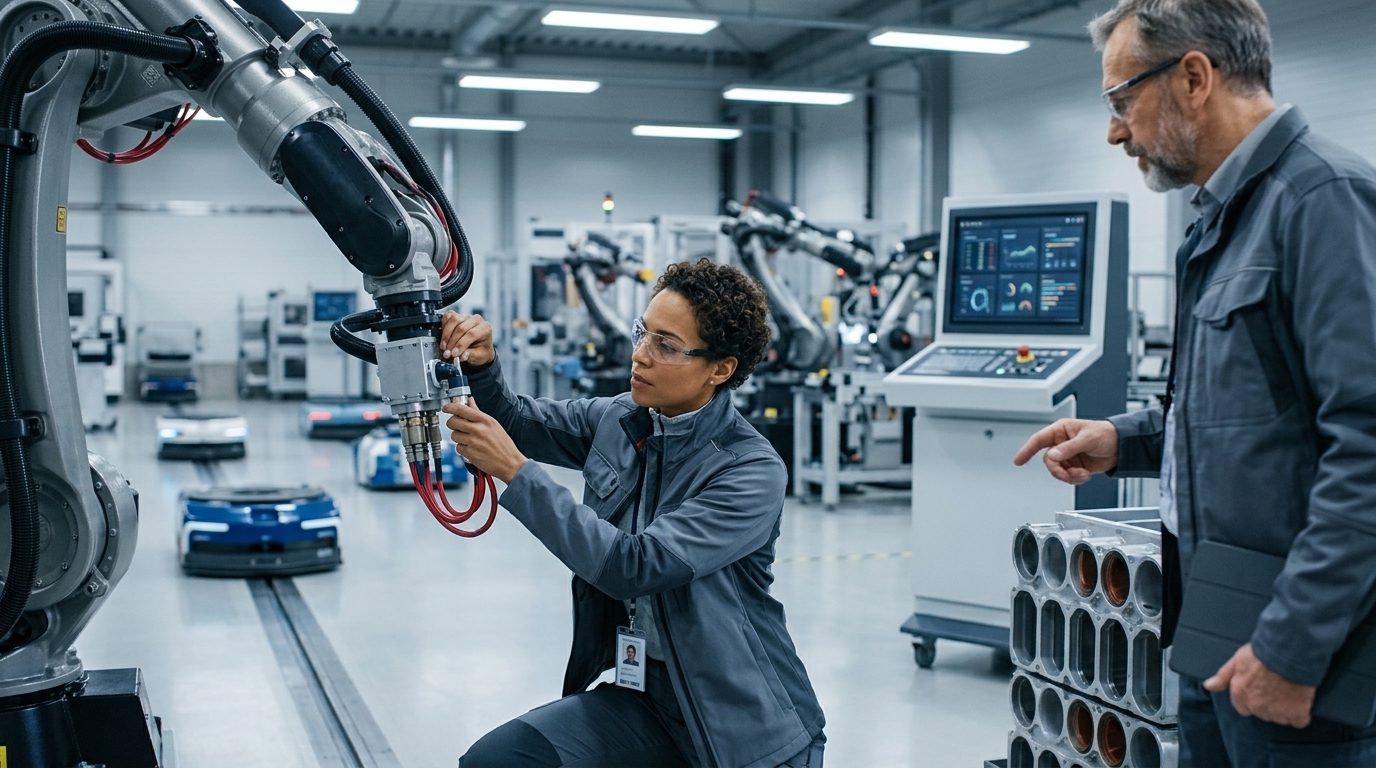
The consequences of this research extend far beyond computer science laboratories. In the era of on-demand manufacturing and fragile supply chains, the ability to reschedule in real-time is critical. If a machine breaks down or an order changes priority, the DRL-Transformer model can rearrange the schedule in fractions of a second. This reduces storage costs, improves delivery times, and ultimately enhances the competitiveness of businesses that adopt such technologies. This research is not just a theoretical exercise but a roadmap for the autonomous factory of the future.