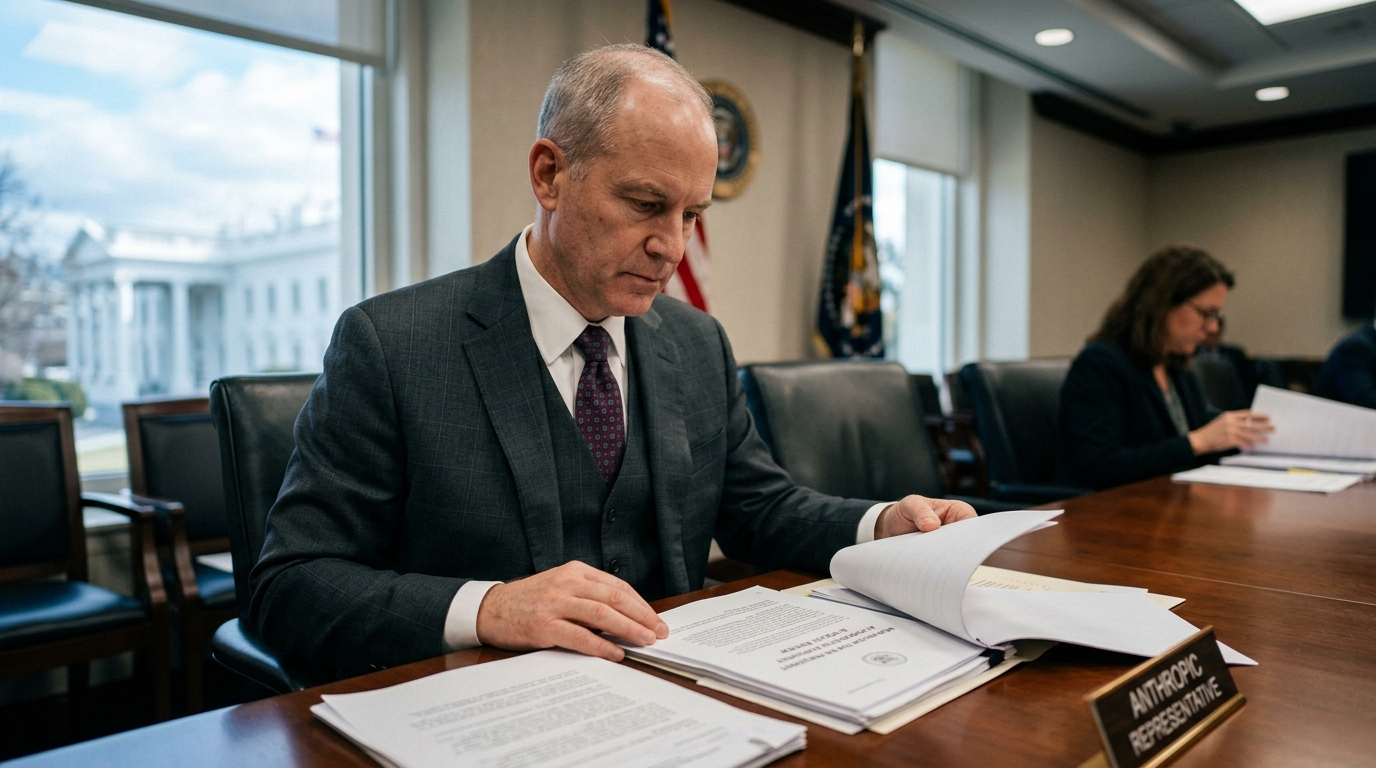
In a move poised to reshape the landscape of global technology governance, the White House has officially announced that Anthropic, the company behind the Claude AI model, is no longer considered a threat to United States national security. This development follows months of rigorous auditing and testing by the U.S. AI Safety Institute (US AISI), underscoring a critical transition from theoretical concern to demonstrable compliance.
This decision is not merely a bureaucratic victory for Anthropic; it is a strategic validation of its core philosophy, known as "Constitutional AI." At a time when fears regarding AI’s potential for cyberattacks, biological weapon synthesis, or the dissemination of deep-seated misinformation are at an all-time high, the "certification" of one of the industry's leading labs sends a powerful signal to both Silicon Valley and the international community.
The Road to Compliance and the Executive Order
The intensive scrutiny of Anthropic effectively began with President Biden’s 2023 Executive Order on Safe, Secure, and Trustworthy Artificial Intelligence. This landmark directive mandated that companies developing "frontier models"—those with capabilities exceeding current benchmarks—must share their safety test results with the government. Anthropic, founded by former OpenAI executives with a mission centered on safety, found itself at the forefront of this regulatory experiment.
According to sources close to the Department of Commerce, Anthropic provided unprecedented transparency into its codebases and model training methodologies. The testing protocols focused heavily on Claude's resilience against "jailbreaking" attempts and its refusal to provide actionable information that could facilitate illicit activities. The successful completion of these evaluations demonstrates that it is indeed possible to develop high-performance AI systems that remain within the guardrails of public safety.
Geopolitical Implications and the Race Against China
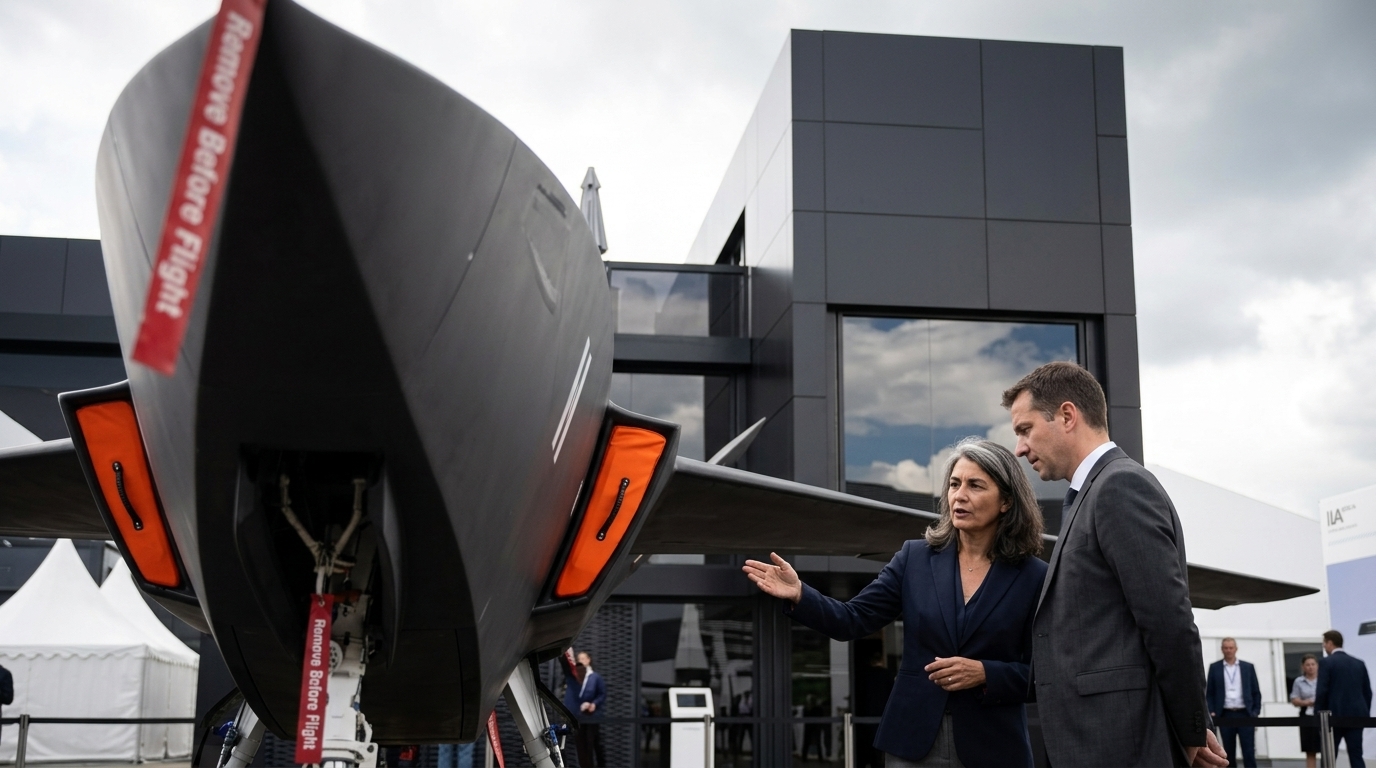
The White House's move also carries profound geopolitical weight. As the United States maneuvers to maintain its technological edge over China, establishing a "safe harbor" for domestic AI firms is vital. By designating Anthropic as "safe," Washington is essentially integrating the firm into its national arsenal of technological power, paving the way for deeper collaboration with government agencies and defense contractors.
However, this clearance raises significant questions about market competition. Will smaller startups or open-source initiatives be able to shoulder the massive compliance costs associated with such government audits? The risk of "regulatory capture," where only the largest, best-funded players can afford to meet the state's standards, is a growing concern. Anthropic, backed by billions in investment from giants like Amazon and Google, has the capital to navigate these waters, but the same cannot be said for the broader ecosystem.
The Future of Regulation: From Self-Regulation to Oversight
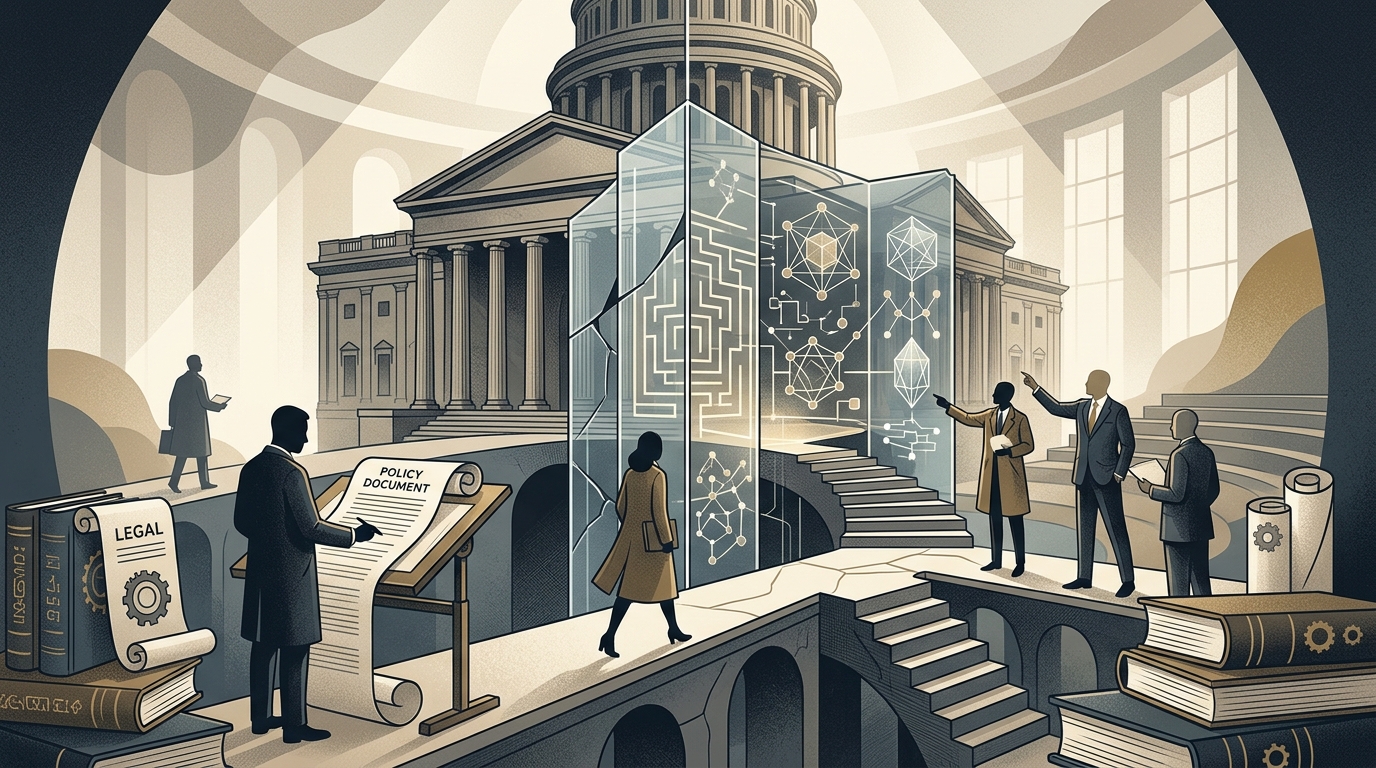
The Anthropic case serves as a blueprint for how AI oversight will likely function in the coming years. We are moving away from voluntary commitments toward a structured, symbiotic relationship between the state and the private sector. The establishment of the US AISI and the active participation of major labs indicate that the "Wild West" era of AI development is drawing to a close.
- Collaboration with the US AISI is becoming the new industry gold standard.
- Safety is shifting from an ethical choice to a competitive market advantage.
- The White House is assuming the role of an arbiter in the technological arms race.
In conclusion, the announcement that Anthropic is no longer a security threat is a moment of vindication for proponents of alignment and safety-first development. Yet, the question remains: are these tests dynamic enough to keep pace with the exponential evolution of AI, or do they merely provide a veneer of security in a field that remains inherently unpredictable?