For years, the mantra of Silicon Valley was simple: "bigger is better." The scaling laws dictated that adding more parameters, more data, and more GPUs would inevitably lead to smarter systems. However, the arrival of DeepSeek V4 from China has completely disrupted this narrative, proving that the next major milestone in Artificial Intelligence is not sheer quantity, but absolute efficiency.
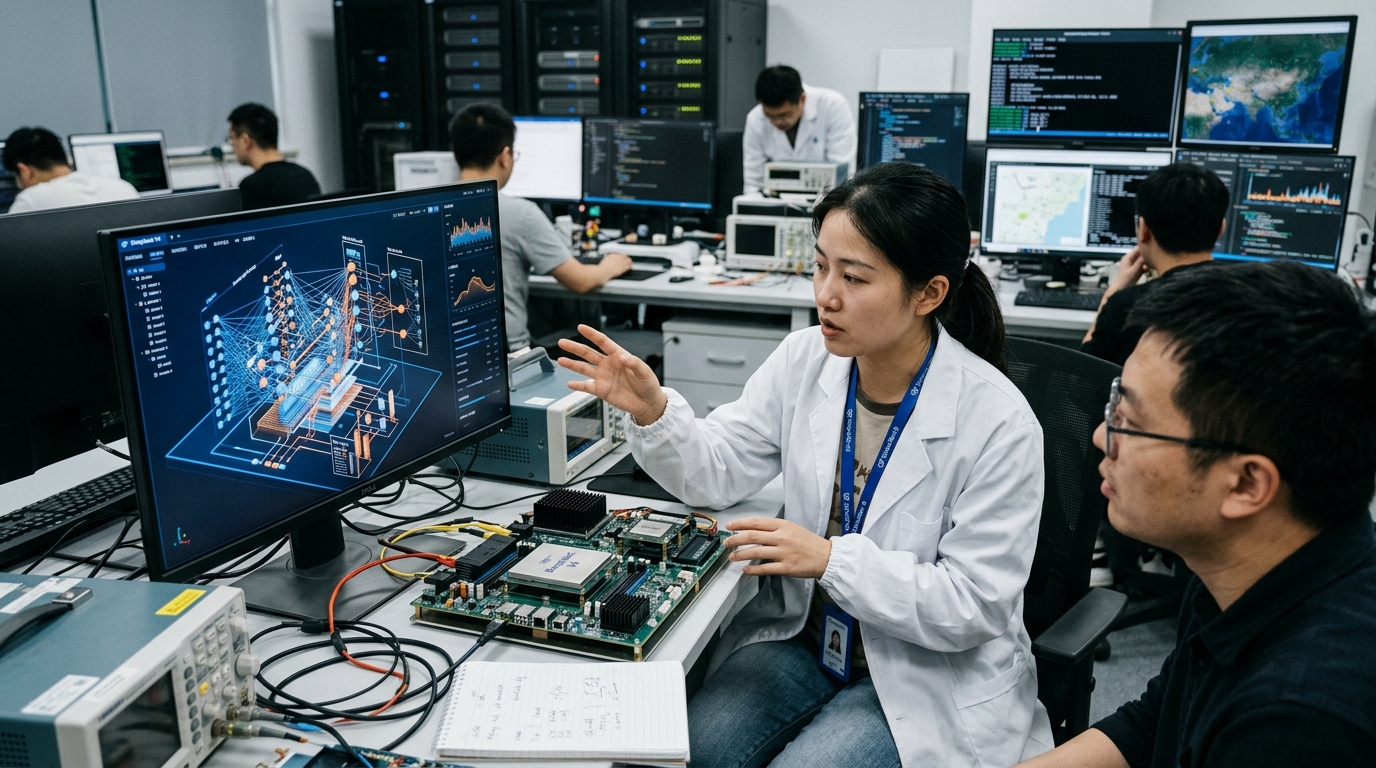
DeepSeek V4 is not just another large language model (LLM); it is a statement of intent. In an era where access to advanced semiconductors, such as Nvidia’s H100 and Blackwell chips, is the primary battlefield of geopolitical rivalry, DeepSeek has managed to build a model that competes head-to-head with the giants of OpenAI and Google using a fraction of the resources previously thought necessary.
The Architecture of Frugality: Mixture of Experts (MoE) and Beyond
At the heart of DeepSeek V4’s success lies its sophisticated use of the Mixture of Experts (MoE) architecture. Instead of activating the entire network of billions of parameters for every single query, the model only engages the relevant "experts" required for the specific task. This drastically reduces the computational cost per token, allowing the model to operate at speeds and costs that make wide-scale adoption economically viable for enterprises of all sizes.
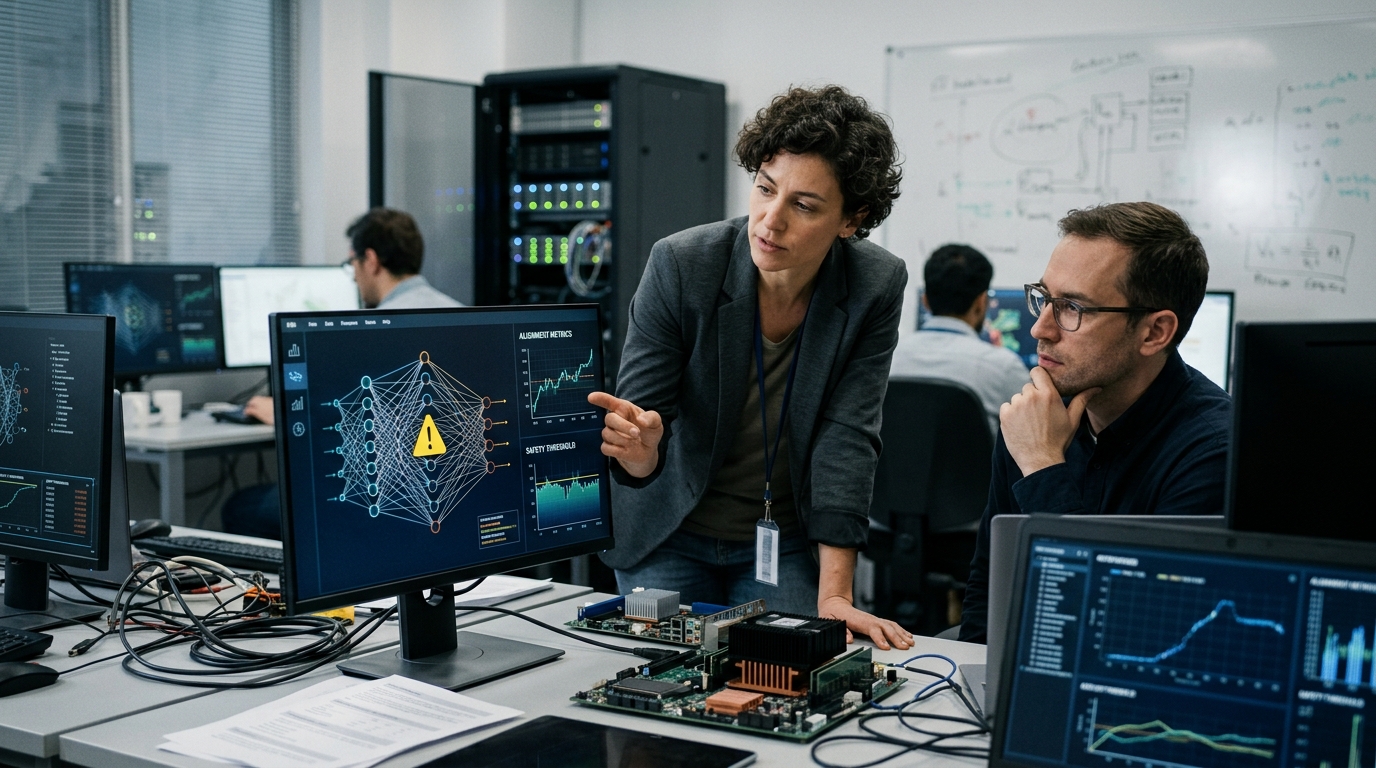
Furthermore, the introduction of Multi-head Latent Attention (MLA) allows V4 to manage massive context windows without the exponential increase in memory usage that plagued previous generations. This technical elegance enables DeepSeek to bypass the constraints imposed by US export controls, proving that algorithmic innovation can effectively compensate for a lack of cutting-edge hardware.
The Geopolitical Chessboard and the Challenge to the West
The emergence of DeepSeek V4 as a leader in efficiency has profound political implications. While Washington attempts to stifle Beijing’s technological rise by blocking access to high-end chips, the Chinese response has been optimization. If China can produce GPT-5 level AI using previous-generation hardware or fewer processing units, then the current sanctions strategy risks becoming obsolete.
"Efficiency is the new compute. Whoever manages to train the smartest model with the least energy will win the AI war," industry analysts suggest.
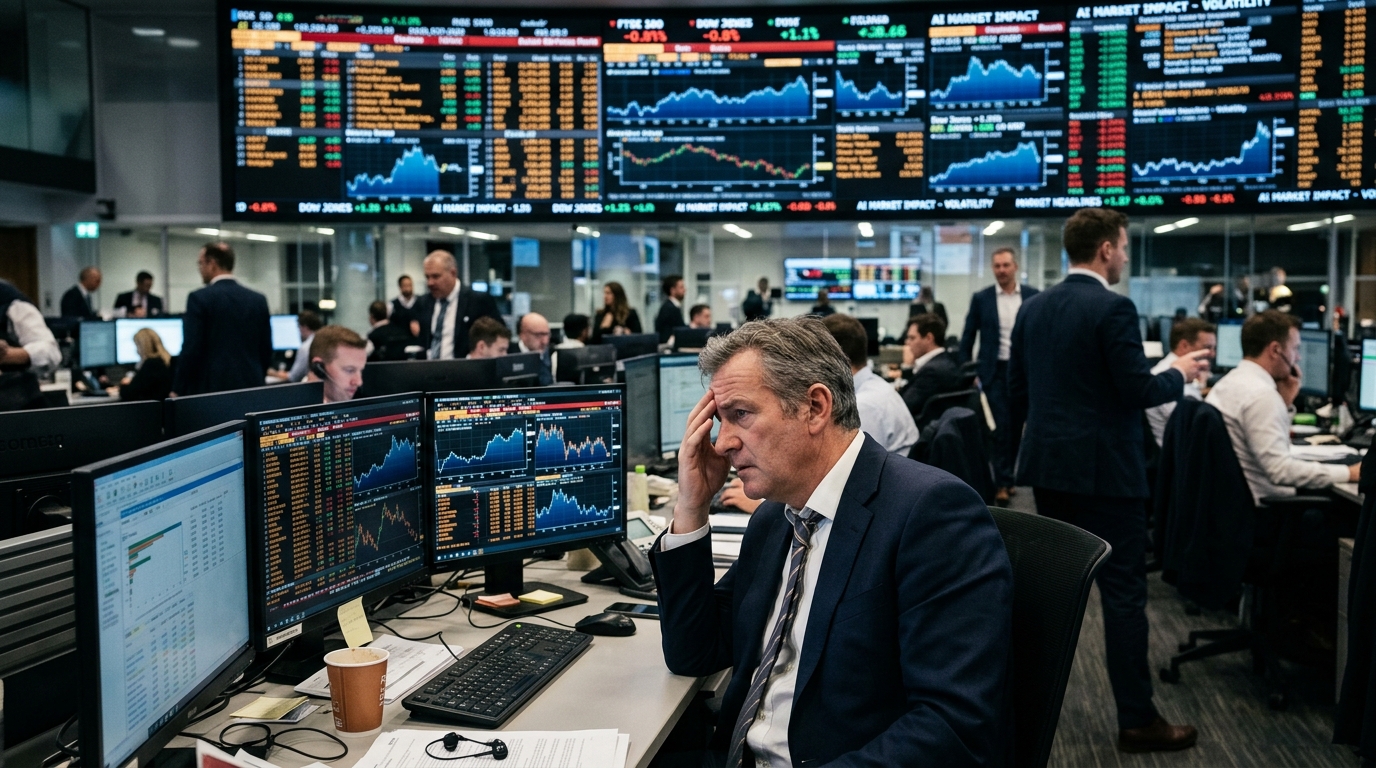
This development is forcing OpenAI, Anthropic, and Google to rethink their strategies. The era of "blank checks" for GPU clusters may be drawing to a close as investors begin to demand higher Return on Investment (ROI) and lower operational overhead. DeepSeek V4 serves as a wake-up call that innovation cannot always be bought with billions of dollars; it is often earned through mathematical ingenuity.
The End of Scaling Laws?
For many, DeepSeek V4 signals the end of the first phase of the AI revolution, where brute force was the only tool. We are now entering a phase of maturity. The new "scaling laws" will focus on data quality and architectural effectiveness. V4’s ability to perform complex reasoning and coding tasks with minimal energy consumption sets a new benchmark for the entire industry.
- Training Costs: DeepSeek is estimated to have spent less than 20% of the budget used by its competitors for comparable results.
- Open Strategy: The company's strategy of sharing detailed technical reports is accelerating global research.
- Specialization: The model shows exceptional performance in mathematics and coding, areas where precision is paramount.
In conclusion, DeepSeek V4 is not merely a competitor from the East. It is the harbinger of a new era where artificial intelligence becomes more accessible, greener, and ultimately more democratic, as the barrier to entry shifts from raw capital to creative engineering.