Traditional medical education, which for decades has relied on static textbooks and controlled clinical exercises, is on the threshold of a structural metamorphosis. The recent initiative in Vietnam, as reported by Vietnam.vn, to bring live hospital data and Artificial Intelligence (AI) tools directly into the classroom is not merely a technological upgrade; it is a radical reassessment of pedagogical science in medicine.
The core concept is simple yet bold: instead of students studying hypothetical scenarios, they are exposed to anonymized, real-world patient data collected in real-time from hospital units. This 'digital twin' of clinical reality allows future physicians to sharpen their diagnostic skills using the same AI tools that are beginning to be adopted in the world's leading medical centers.
The Bridge Between Theory and Clinical Practice
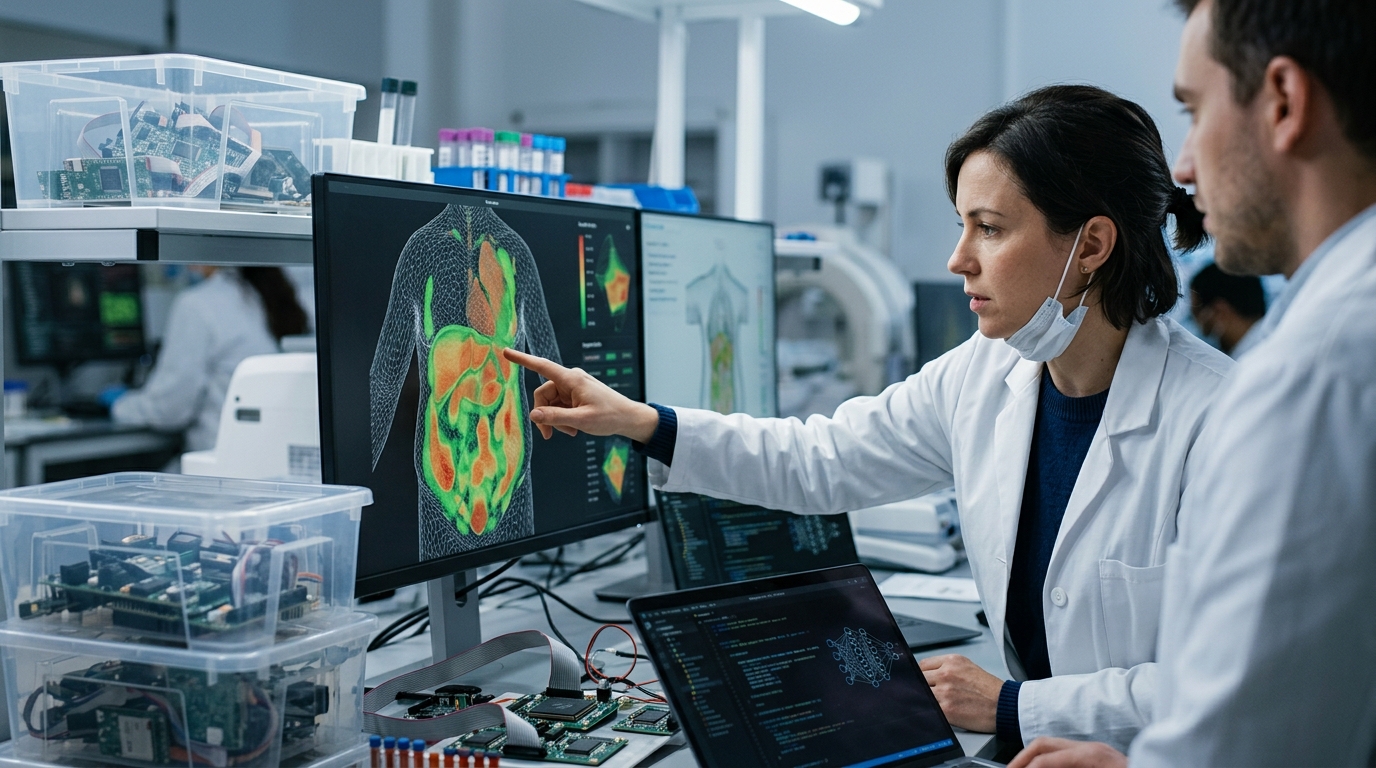
The gap between theoretical knowledge and clinical experience has historically been the greatest hurdle for young doctors. Introducing hospital data into the classroom acts as a virtual bridge. Using machine learning algorithms, students can analyze thousands of X-rays, MRIs, and blood tests, identifying patterns that the human eye might overlook.
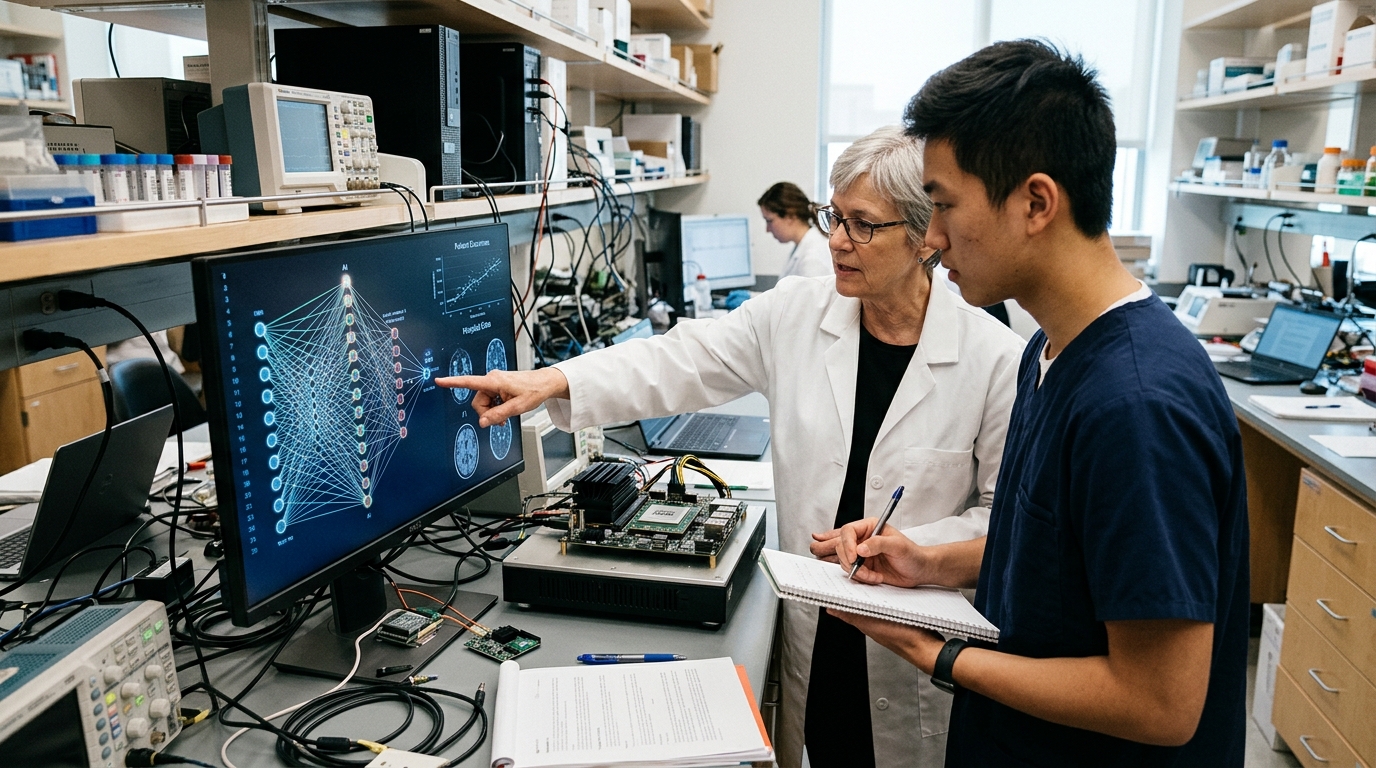
In Vietnam, this move is part of a broader national strategic plan for digital transformation. The country, recognizing shortages in specialized personnel in remote areas, is investing in training a new generation of 'hybrid' doctors who will be as proficient with a scalpel as they are with data analysis. AI does not replace the professor but functions as an omniscient assistant that can simulate the progression of a disease in seconds, offering students a dynamic understanding of pathology.
Ethical Dilemmas and the Privacy Challenge
However, the transfer of data from the hospital to the classroom is not without risks. The issue of protecting patient personal data remains the most thorny point. Although advanced anonymization techniques are used, the possibility of 're-identification' through data cross-referencing remains a real threat. Academic institutions are called upon to establish strict ethical protocols, ensuring that education does not violate medical confidentiality.
Furthermore, there is the risk of 'algorithmic bias.' If the data used to train AI in the classroom comes from a specific demographic group, students may learn to diagnose based on flawed or limited patterns. The quality of education depends directly on the quality and representativeness of the data provided.
The Future: The Digital Clinician
This initiative marks the beginning of an era where medical education will be personalized. AI systems will be able to monitor each student's progress, identifying their weaknesses and tailoring the clinical scenarios assigned to them. This creates a 'safe failure' environment, where mistakes become lessons without the cost of human lives.
In conclusion, the integration of hospital data and AI in the classroom is a necessity in the information age. As Vietnam and other emerging economies pioneer such applications, the global medical community must watch closely, adopting best practices and fortifying the ethical framework of this new educational reality.