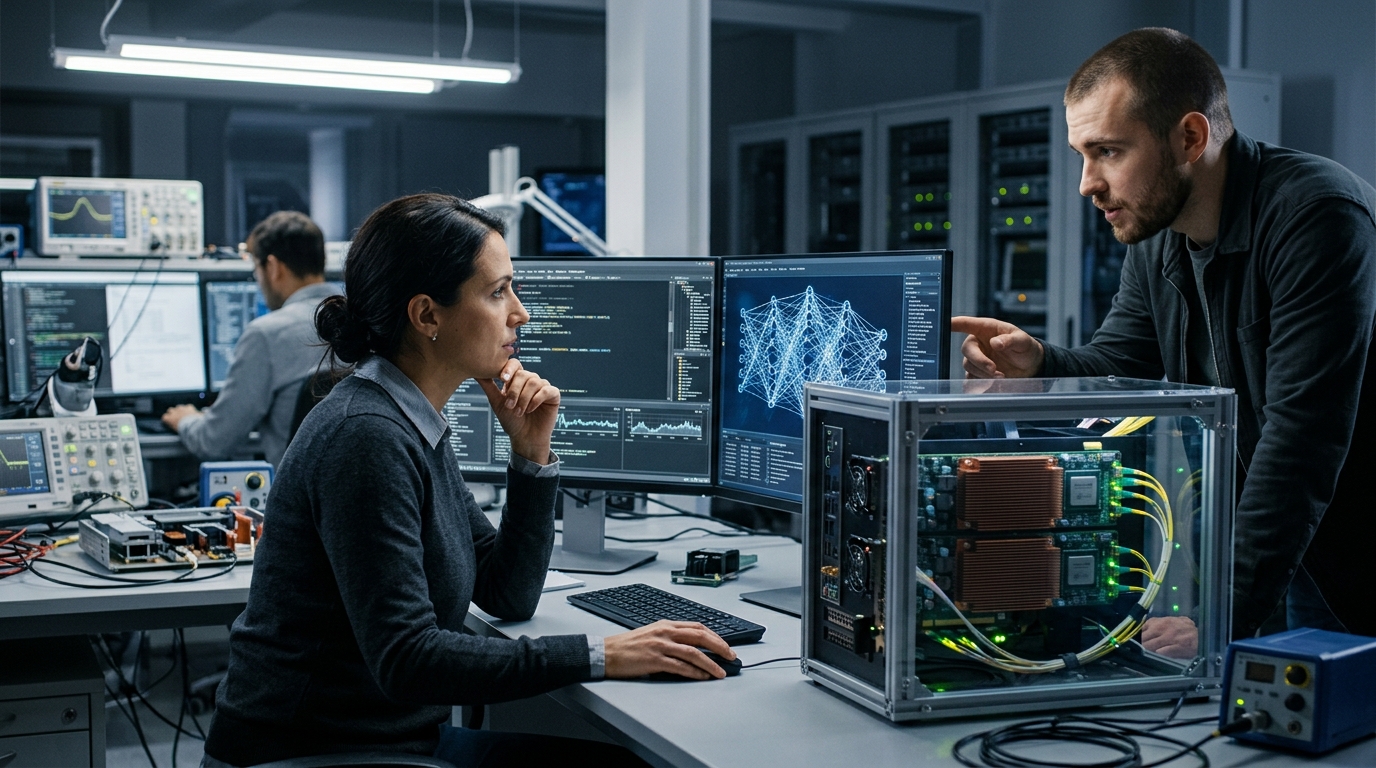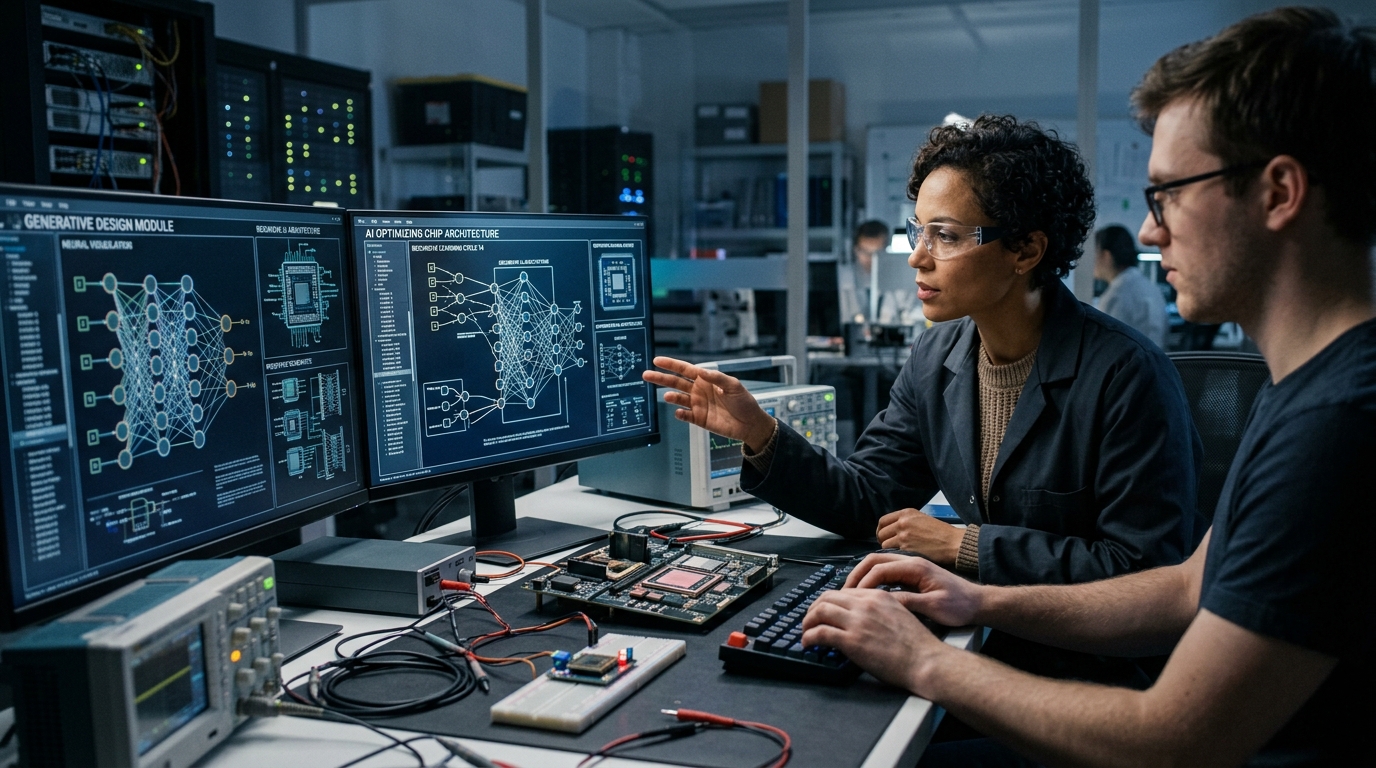
The history of the Nobel Prizes, an institution that for over a century has symbolized the pinnacle of human intellectual achievement, stands at a critical turning point. As we approach the 2026 announcements, the question is no longer whether Artificial Intelligence (AI) assists scientists, but whether the technology itself has become the primary architect of discovery. Recent history, with the 2024 awards given to Demis Hassabis and John Jumper for AlphaFold, and Geoffrey Hinton for the foundations of machine learning, has opened a Pandora’s box regarding what constitutes "scientific genius" in the digital age.
The Transition from Laboratory to Algorithm
For decades, the scientific method relied on hypothesis, experimentation, and verification by human intellect. However, the advent of "AI for Science" (AI4Science) has shifted the paradigm. Today, AI systems are not limited to data processing; they propose new chemical structures, predict material behavior at the quantum level, and design proteins that do not exist in nature. AI's ability to navigate chaotic probability fields, where the human brain fails to discern patterns, makes it a "co-researcher" of unparalleled speed.
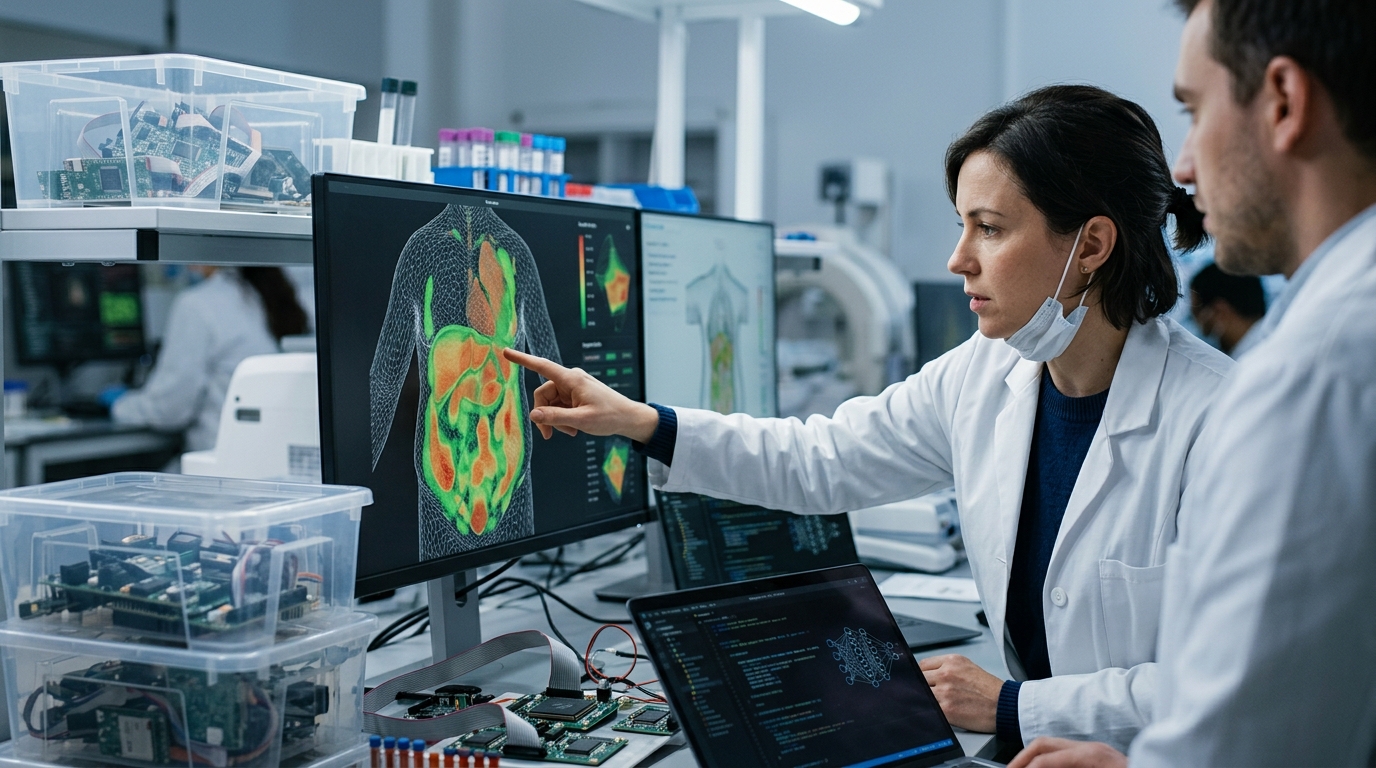
In 2026, we expect AI's influence to expand into fields like High-Energy Physics and Precision Medicine. Algorithms have already begun solving equations related to nuclear fusion, bringing us closer to a clean energy source. If such a discovery leads to a Nobel, who will walk onto the Stockholm stage? The developers who built the model, or the "black box" of intelligence itself that found the solution?
The 'Nobel Turing Challenge' and the Quest for Autonomy
Hiroaki Kitano, one of the world's leading AI scientists, has proposed the "Nobel Turing Challenge": creating an AI system capable of making a Nobel-worthy discovery fully autonomously by 2050. However, developments are moving far faster than predicted. The use of Large Language Models (LLMs) in literature analysis now allows systems to connect isolated knowledge from different disciplines, creating hybrid theories that no human could conceive due to the sheer volume of information.
- Protein Prediction: AI has already mapped nearly all known proteins, a task that would have taken centuries of human effort.
- Materials Discovery: Models like Google DeepMind’s GNoME have predicted millions of new stable crystals.
- Quantum Chemistry: AI accelerates the simulation of molecular interactions, reducing drug research costs by billions.
This autonomy raises a philosophical question: Can a machine possess the "insight" required by the Swedish Academy? Critics argue that AI lacks understanding and merely performs statistical predictions. Proponents, on the other hand, point out that if the result is a revolution that saves lives or changes physics, the method of its production (biological or silicon) should be secondary.
The Legal and Ethical Impasse in Stockholm
The Nobel Foundation’s rules are clear: the prize can be awarded to up to three natural persons. There is no provision for software or organizations (with the exception of the Peace Prize). This creates a growing tension. If in 2026 we see an AI discover a cure for a form of cancer, refusing to acknowledge the algorithm's contribution might be seen as anachronistic. However, awarding a machine would strip the prize of its human-centric character.
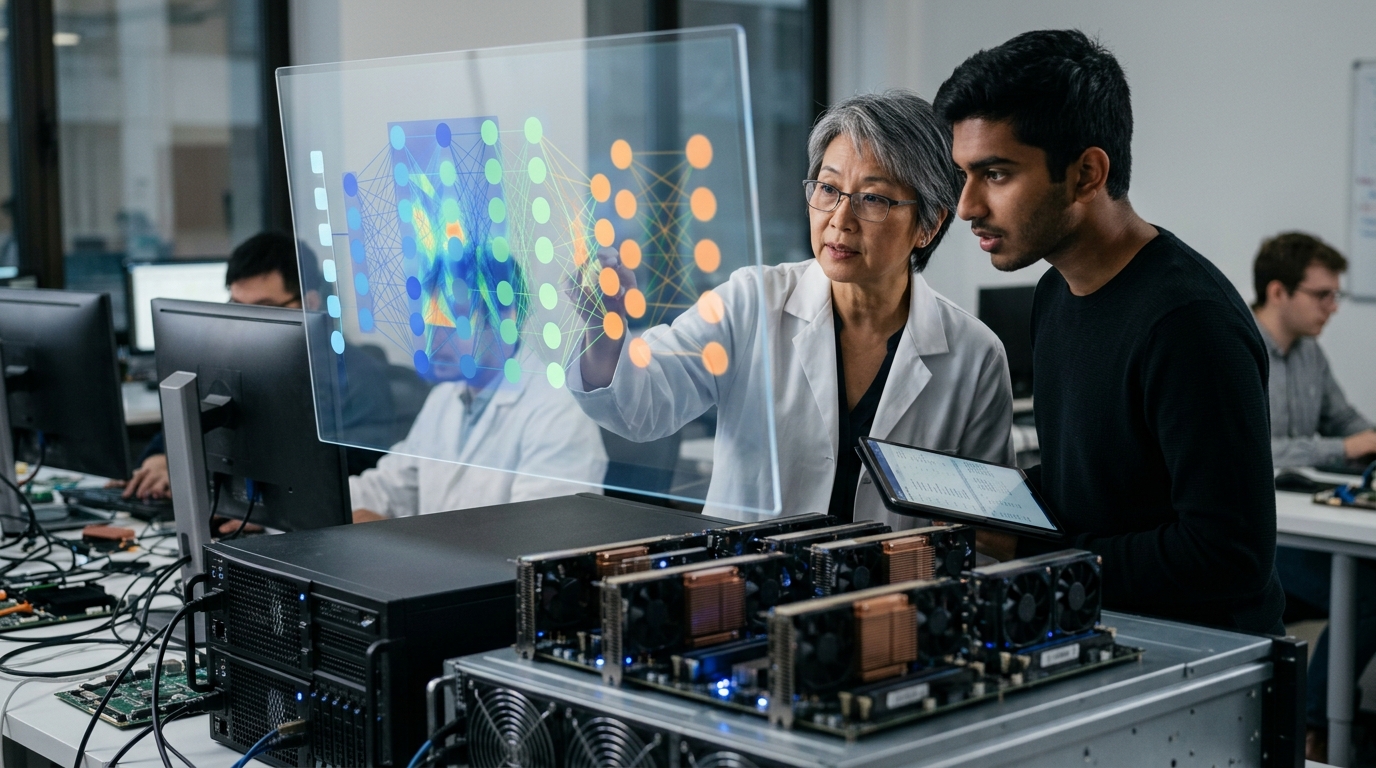
"AI is not just a magnifying glass for our minds; it is a new type of mind that views the universe through different dimensions," say researchers at MIT.
In conclusion, 2026 will be the year the Swedish Academy must decide whether to remain a guardian of human tradition or embrace the new reality of collaborative intelligence. Artificial Intelligence is not just standing "shoulder to shoulder" with scientists; it has already begun showing them the way into the unknown.