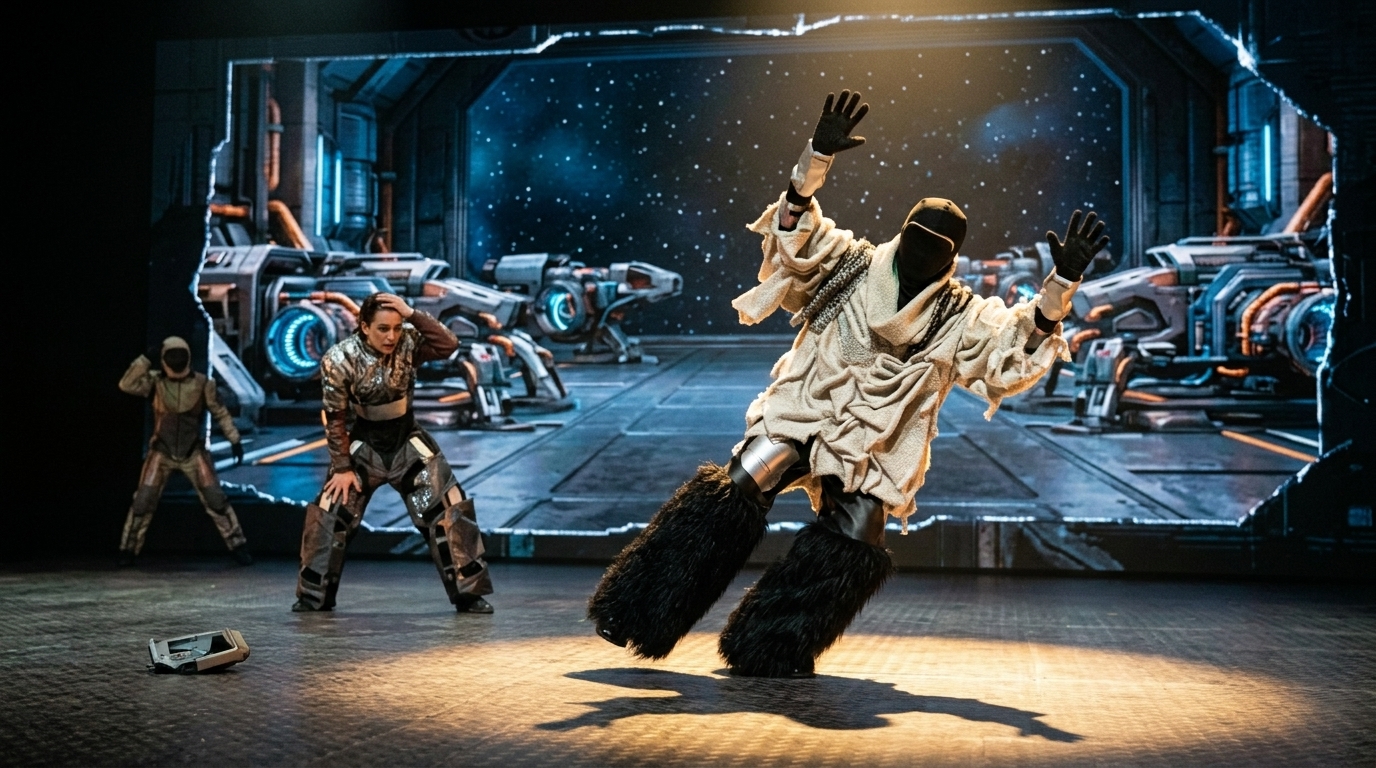
The image of a humanoid robot performing backflips, dancing in perfect synchronization, or preparing coffee with surgical precision has become a staple of social media feeds. However, behind the glitter of millions of views lies a truth that tech companies rarely admit: the gap between a controlled video and actual business utility remains a chasm. The recent history of robotics is littered with impressive "fireworks" that ended in financial failure, reminding us that AI and mechanical engineering still have a long way to go before replacing human labor in everyday tasks.
Choreographed Autonomy and the Editing Trap
The first thing a viewer of a viral video must understand is that what they are seeing is not a live broadcast, but the result of hundreds of failed attempts. When Boston Dynamics or Tesla release footage of their robots, we are watching the best possible moment of an extremely expensive process. In reality, for every successful jump by Atlas, there are dozens of falls, mechanical failures, and software glitches that remain on the cutting room floor.
Furthermore, there is the issue of teleoperation. In many cases, as discovered in recent demonstrations by major giants, the robot is not making decisions autonomously. Instead, a human operator, hidden behind the cameras, controls its movements via VR equipment. This creates an illusion of AI progress, while in reality, it is a sophisticated form of puppetry. The ethical dimension here is critical: when companies present teleoperation as autonomy, they mislead not only the public but also investors, inflating expectations that current technology cannot meet.
The Reality Barrier: Why the Lab is Not the Factory Floor
The transition from the sterile environment of a lab to the chaotic world of a factory or warehouse is where most humanoids fail. In the lab, lighting is consistent, floors are level, and objects are placed at specific coordinates. In the real world, a robot must handle unpredictable changes: a worker suddenly crossing its path, an oil spill on the floor, or a package not positioned at the right angle.
- Battery Life: Most humanoid robots exhaust their energy in less than two hours of intense activity, making them unsustainable for eight-hour shifts.
- Maintenance Costs: The complexity of joints and sensors means every fall can cost tens of thousands of dollars in repairs.
- Computational Power: Processing visual data in real-time to avoid obstacles requires immense power, which often heats the robot to dangerous levels.
These issues explain why, despite viral videos, we don't yet see humanoids unloading trucks at logistics centers or working on production lines in large scale. Specialized robotics (e.g., arms bolted to the floor) remain far more efficient and cheaper than the general humanoid form.
The Economic Fall and the Lesson for the Future
The "spectacular fall" mentioned in the title is not just physical, but financial. Many startups that promised a humanoid revolution, fueled by social media hype, found themselves facing market reality. When investors stopped being impressed by videos and started asking for Return on Investment (ROI) metrics, many companies were forced to shut down or be acquired.
"Technology is not judged by whether it can dance, but by whether it can provide value in an economy struggling with production costs," market analysts note.
The lesson is clear: visual sensationalism does not equal technological maturity. For us to see real humanoid robots in human service, we must move past the "spectacle" stage and focus on robustness, safety, and economic viability. Until then, every time you see a robot doing something incredible on your screen, remember to look for the strings—whether they are visible or hidden in the marketing department.