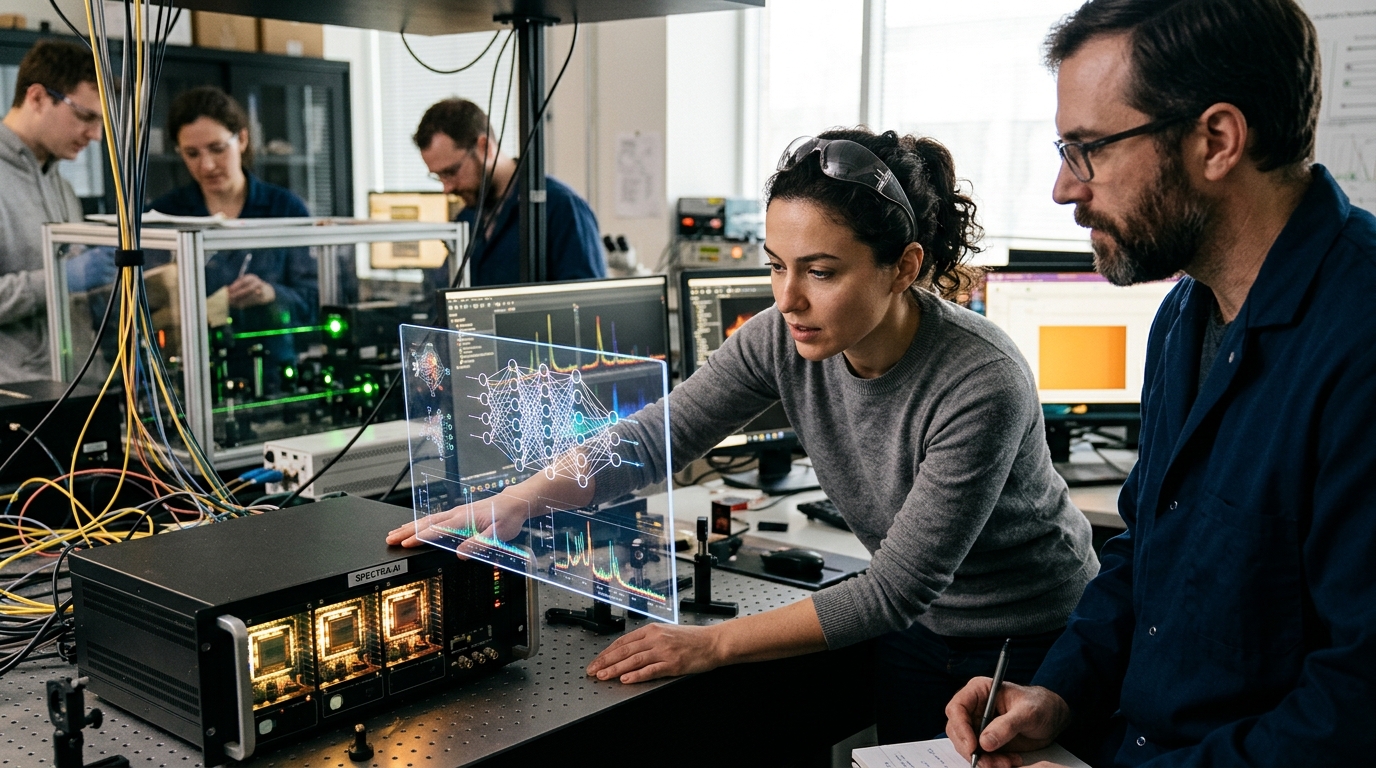
Spectroscopy, the study of how light interacts with matter, has been the backbone of scientific inquiry for decades. From detecting food fraud to identifying organic molecules on distant planets, the ability to "read" the spectrum is the ability to understand the composition of the universe. However, the 2024–2026 period marked a pivotal paradigm shift. As documented by Spectroscopy Magazine's extensive coverage, Artificial Intelligence (AI) is no longer a peripheral tool but the central processor of scientific discovery.
From Chemometrics to Deep Learning
For years, scientists relied on traditional chemometrics—statistical methods such as Principal Component Analysis (PCA) and Partial Least Squares (PLS) regression—to interpret the complex data generated by spectrometers. While powerful, these methods required extensive data preprocessing and often failed to distinguish subtle differences in noisy signals. The arrival of Convolutional Neural Networks (CNNs) and Transformers between 2024 and 2025 changed the landscape entirely.
The primary innovation of this era was the development of "foundation models" specifically for chemistry. Instead of training a model from scratch for every new substance, these large-scale models were pre-trained on millions of existing spectra (Raman, NIR, FTIR). The result? The ability of systems to recognize chemical signatures with accuracy levels reaching 99%, even in high-noise environments like field soil analysis or real-time industrial process monitoring.
Portability and the Democratization of Analysis
One of the most significant trends recorded over the past two years is the miniaturization of devices. AI has allowed tiny, low-resolution sensors to perform like high-fidelity laboratory instruments. Through "super-resolution" algorithms, AI can fill in the data gaps caused by cheaper hardware.
- Food Safety: Portable devices connected to smartphones now allow inspectors (and even consumers) to detect pesticides in seconds.
- Environmental Monitoring: Microplastic detection in oceans has become 10 times faster thanks to automated AI pattern recognition.
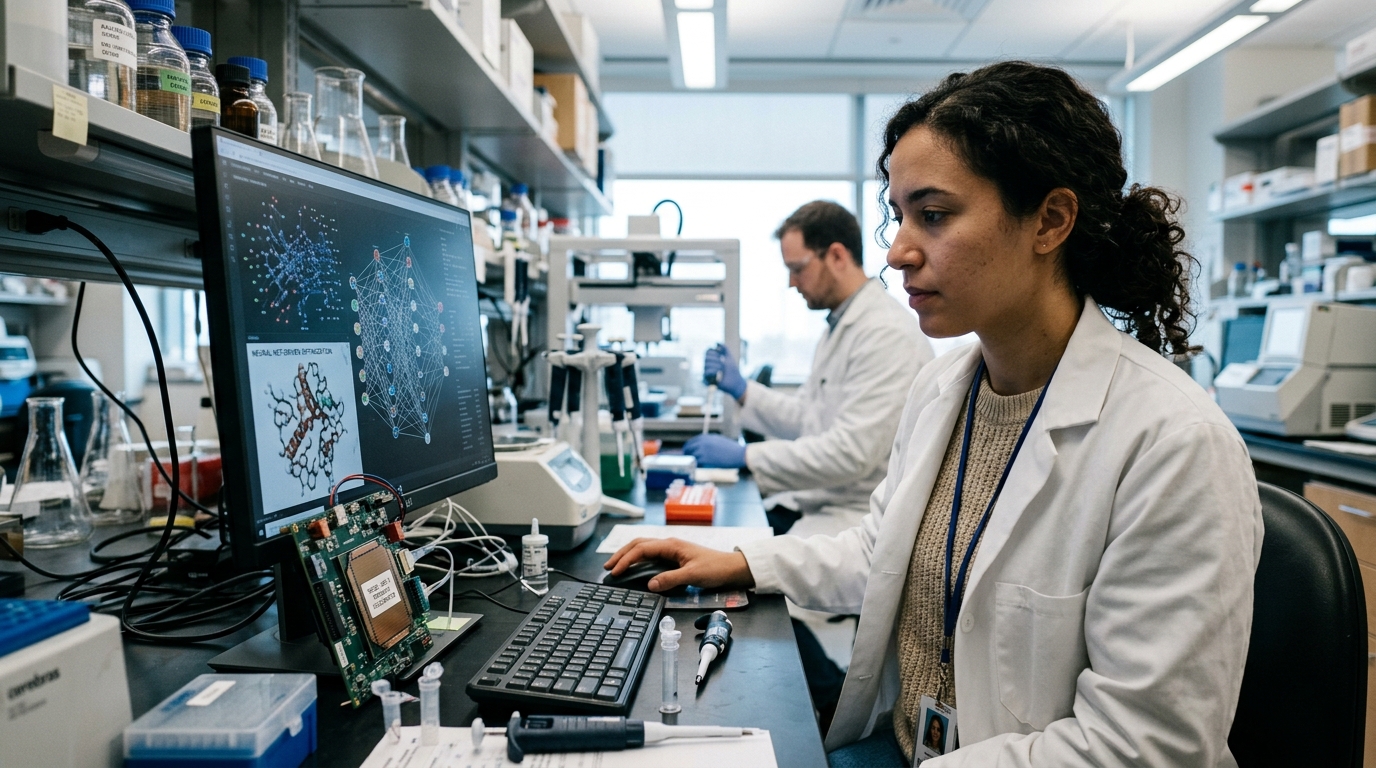
- Medical Diagnostics: Liquid biopsies via Raman spectroscopy, enhanced by AI, enable the detection of cancer markers in blood at very early stages.
This evolution moves the "lab" from the controlled university environment directly to the point of need, drastically reducing costs and wait times.
The Black Box Challenge and Explainable AI
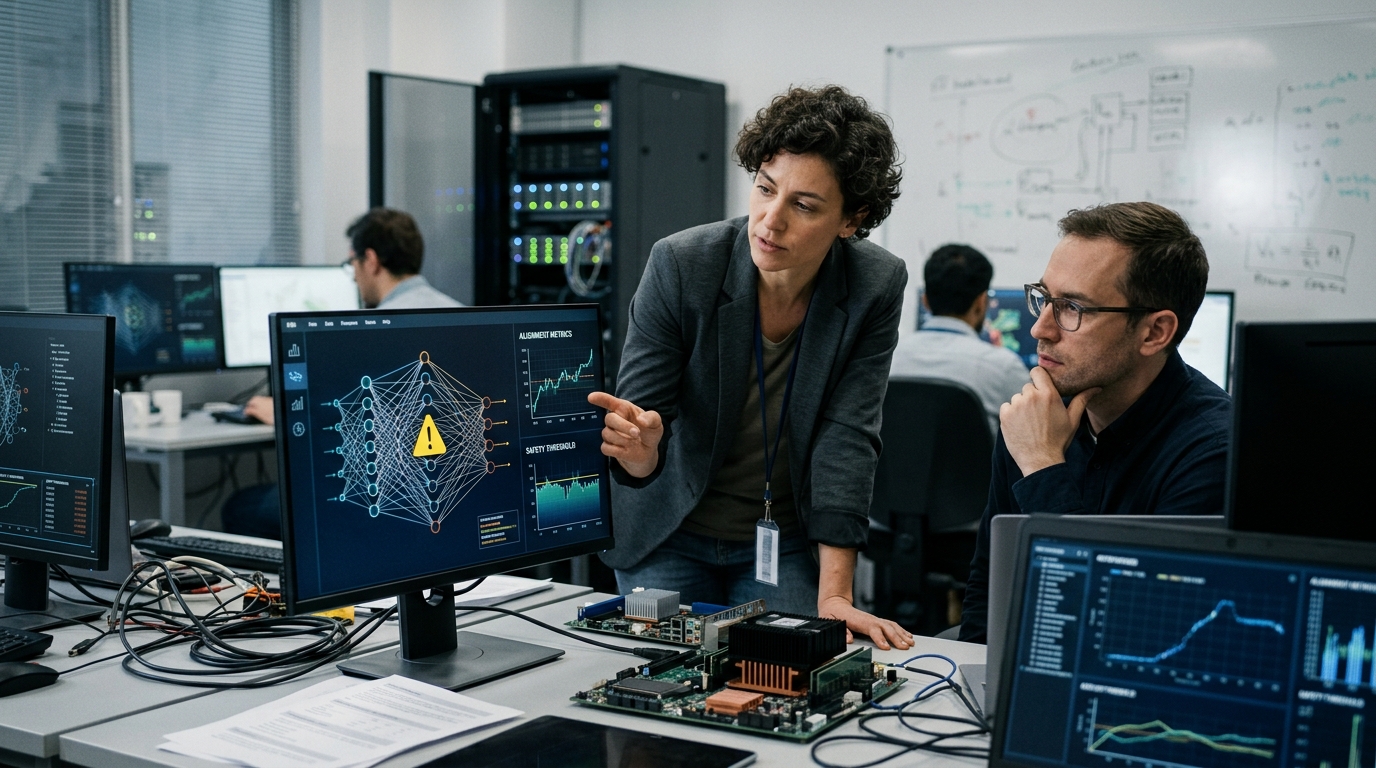
Despite the excitement, the spectroscopy community faced a serious ethical and scientific dilemma: the "black box" problem. When a neural network decides a sample is contaminated, scientists need to know "why." Blind trust in an algorithm is antithetical to the scientific method.
"AI should not be an oracle giving pronouncements, but a partner explaining the evidence," a Spectroscopy Online contributor noted in 2025.
This led to the rise of Explainable AI (XAI). The new architectures that dominated 2026 do not just provide a result; they generate heatmaps showing exactly which spectral peaks led to the decision. This transparency is critical for AI adoption in regulated industries such as pharmaceuticals and forensics.
The Future: Autonomous Laboratories
As we move toward the end of 2026, the conversation is shifting to "autonomous laboratories." These are closed-loop systems where AI not only analyzes the spectrum but also decides which experiment to perform next. This automation promises to accelerate the discovery of new materials, from more efficient batteries to new drugs, at rates humans alone could never achieve. Spectroscopy, empowered by machine intelligence, remains our most powerful eye into the invisible world of molecules.