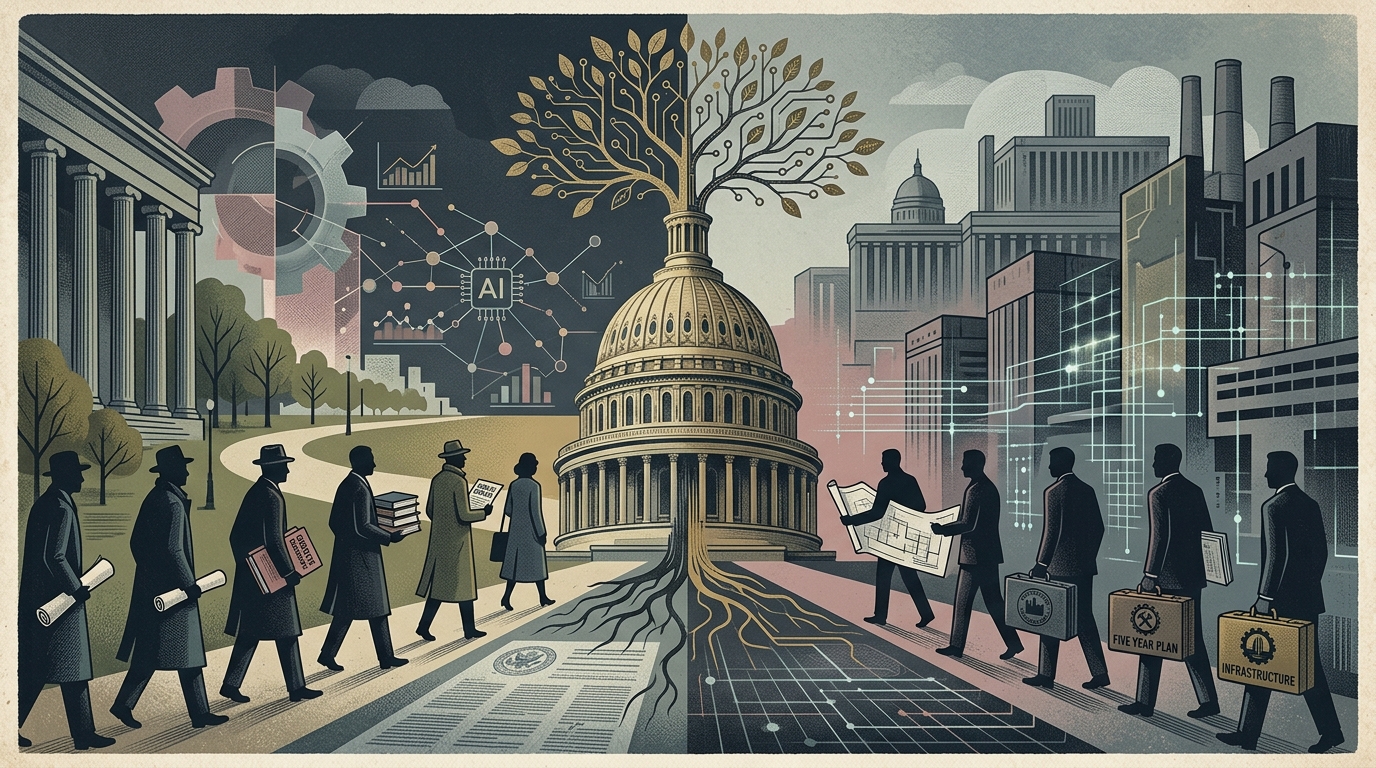
The integration of Artificial Intelligence (AI) in education is no longer a futuristic scenario but a daily reality fundamentally reshaping how students learn, research, and interact with knowledge. Recent research, such as that highlighted by Spectrum News, reveals a complex landscape where enthusiasm for innovation clashes with concerns over the intellectual autonomy of young people. The transition from initial bans on tools like ChatGPT to efforts for creative integration into curricula highlights the urgent need for a new form of 'digital literacy.'
From Cheating to Tutoring: The Shifting Use of AI
Research indicates that student use of AI is multifaceted. While initial educator fears focused on the potential for plagiarism, data suggests that many students are utilizing the technology as a 'personal tutor.' They use generative AI to explain difficult concepts, structure arguments, or overcome 'writer's block.' However, the line between support and full delegation of intellectual labor to the machine remains thin. Studies underscore that students lacking strong critical thinking foundations are more prone to uncritically accepting the 'hallucinations' or inaccuracies of AI models.
- Using AI for brainstorming increases creativity in certain student cohorts.
- Over-reliance on AI for writing can lead to the atrophy of syntax and grammar skills.
- There is significant variation in usage patterns based on age group and socioeconomic background.
The Digital Divide 2.0: Inequities in Access and Guidance
One of the most concerning aspects of recent findings involves the replication and amplification of existing inequalities. While students in affluent districts often have access to paid, more sophisticated AI versions and are guided by teachers trained in their use, students in underfunded schools may only use AI as a low-level automation tool. This 'new digital divide' is no longer just about internet access, but about the quality of interaction with AI. Educational policy must ensure that AI serves as an equalizer rather than a tool for further stratification.
"AI will not replace the teacher, but the teacher who uses AI will replace the one who does not," the research notes, emphasizing the critical role of professional development.
The Challenge for Educators and the Future of Assessment
Traditional assessment methods, particularly take-home assignments, are under severe pressure. Researchers suggest a shift toward evaluating the *process* rather than just the *product*. This means more oral examinations, in-class written tests without device access, and assignments where AI use is mandatory, requiring students to critique and correct the generated output. The teacher's role is shifting from a provider of information to a guide of thought. The challenge is immense, as educators are tasked with managing classrooms where AI is present in every pocket, often without having received the necessary technical support themselves.
In conclusion, research on AI in schools shows we are at a critical crossroads. The technology offers unprecedented possibilities for personalized learning but demands a radical rethink of what we define as 'learning' in the 21st century. As we move forward, the focus must remain on human-centric education, ensuring that these powerful tools enhance, rather than replace, the uniquely human capacity for critical inquiry and original thought.