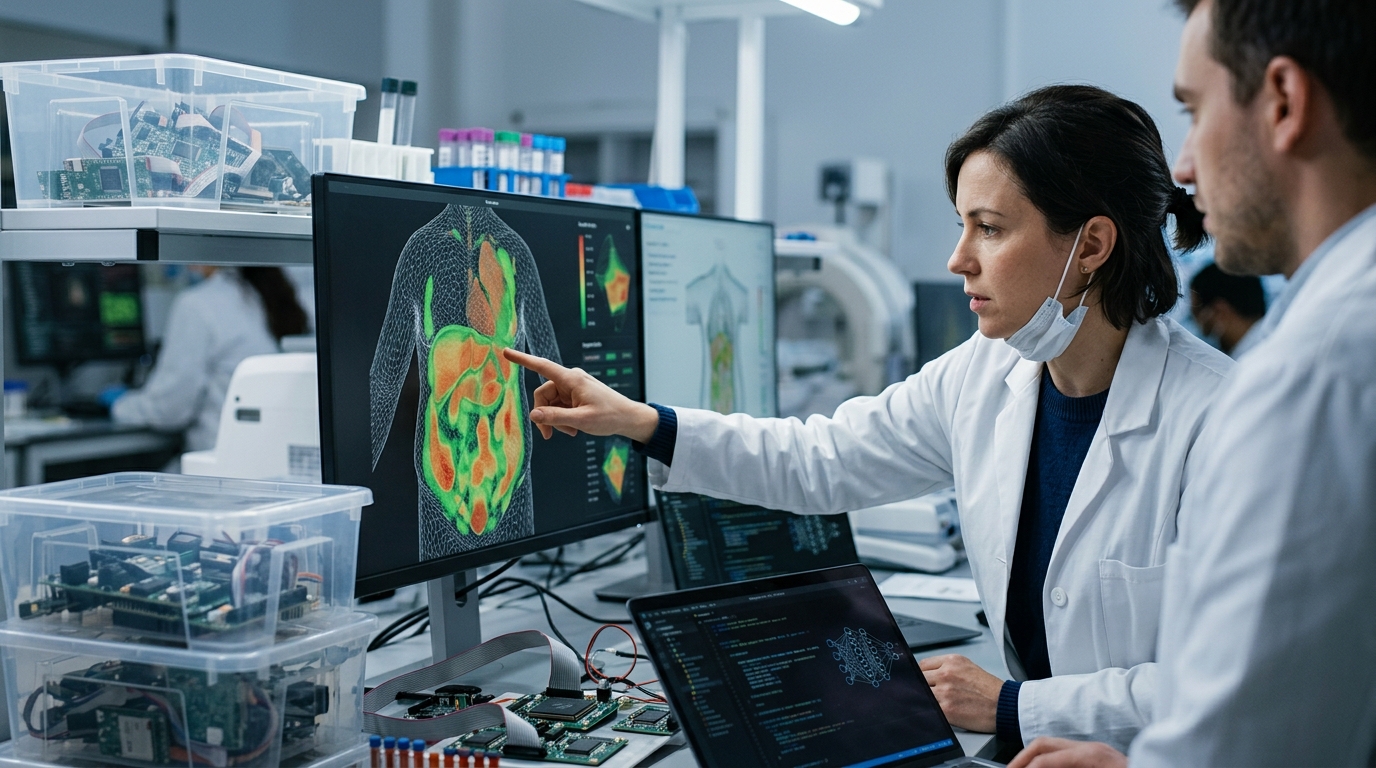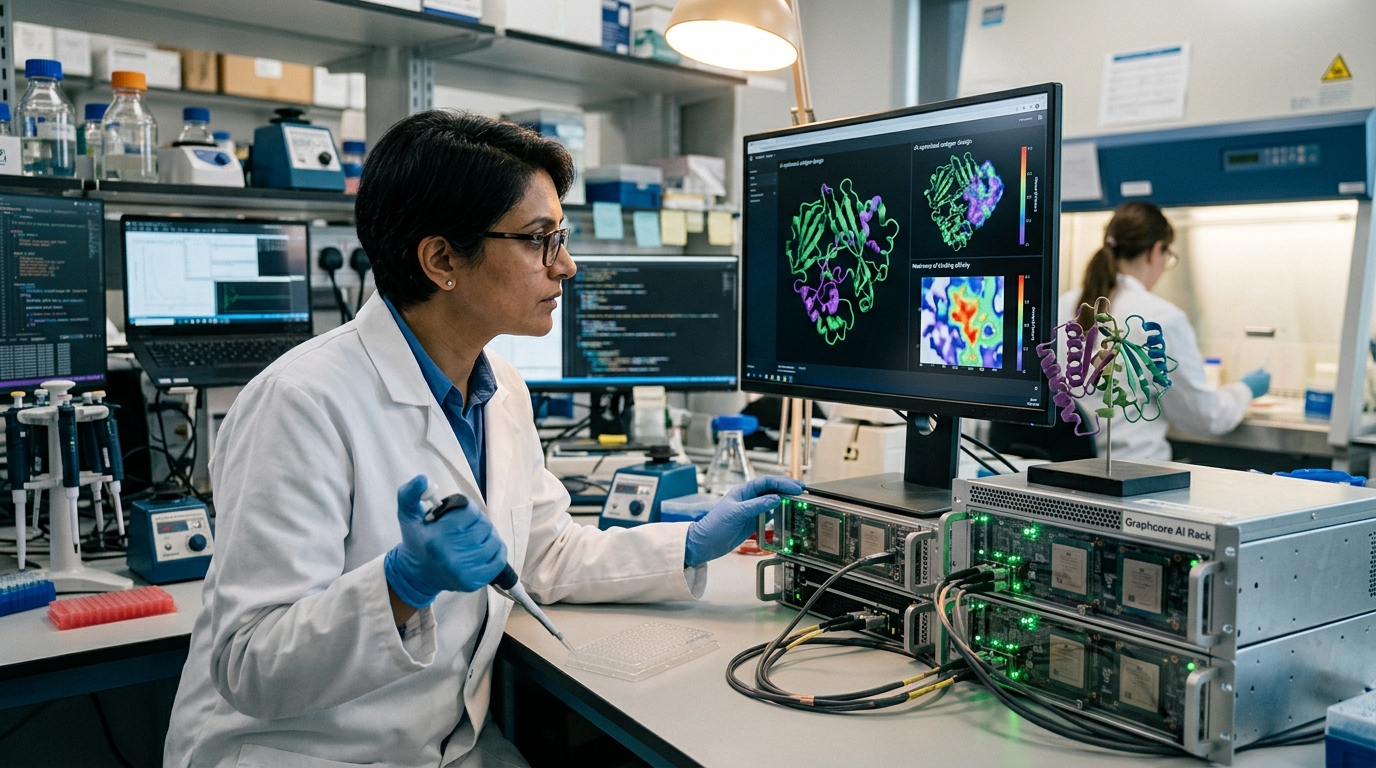
The era of "divinatory" medicine, where decisions were based on statistical averages and empirical observation, is rapidly setting. In its place, a new architecture of precision is rising, where Artificial Intelligence (AI) functions not merely as a classification tool, but as a digital explorer mapping the terra incognita of human biology. The recent study presented by Amol Shetty on UroToday highlights a critical turning point: understanding the biologic pathways underlying AI-based biomarkers in oligometastatic prostate cancer.
The Challenge of Oligometastatic Disease
Oligometastatic prostate cancer represents a unique clinical state, a "gray zone" between localized disease and widespread metastatic spread. It is typically defined by the presence of a limited number of metastatic lesions (usually up to five). For years, clinicians have struggled to identify which of these patients would benefit from aggressive local therapies, such as Stereotactic Body Radiation Therapy (SBRT), and who required immediate systemic intervention.
Shetty’s study focuses on AI’s ability to recognize patterns in histological slides that the human eye cannot discern. However, the innovation lies not just in prediction, but in interpretation. Researchers sought to answer the question: "What does the AI see that we don't?" The answer lies in biological pathways, such as androgen receptor signaling, DNA damage repair, and immune response activation.
Opening the AI "Black Box"
One of the greatest hurdles to AI adoption in medicine has been its "black box" nature. Physicians are often reluctant to trust a diagnosis without knowing the "why." This specific research utilizes advanced techniques to link digital features identified by AI with specific gene expressions.
- Androgen Receptor Signaling: AI appears to detect morphological changes associated with sensitivity or resistance to hormonal therapy.
- Tumor Microenvironment: Analysis reveals how the spatial organization of cells reflects the tumor's ability to evade the immune system.
- Cell Cycle Regulation: AI models correlate with cell proliferation rates, offering a dynamic picture of cancer aggressiveness.
This bridge between digital pathology and molecular biology is the "holy grail" of modern oncology. It allows for the creation of biomarkers that are not only accurate but also biologically grounded, fostering trust within the medical community.
Clinical Implications and the Future of Care
The significance of this study for the patient is immediate. In an era where prostate cancer management often involves difficult decisions affecting quality of life, AI biomarkers can guide personalized treatment. They help avoid over-treatment in low-risk patients while identifying those with aggressive biology who require intensive intervention.
"Artificial Intelligence does not replace the pathologist; it provides them with a superpowered microscope that looks beyond form into the very essence of cellular function," industry analysts note.
In the future, integrating these tools into routine clinical practice could reduce healthcare costs by focusing resources where they will have the greatest impact. However, challenges remain, such as the need for large datasets representing diverse populations and ensuring the ethical use of patient data. The study by Shetty is a vital step toward a future where every cancer treatment is as unique as the patient’s own genetic code.