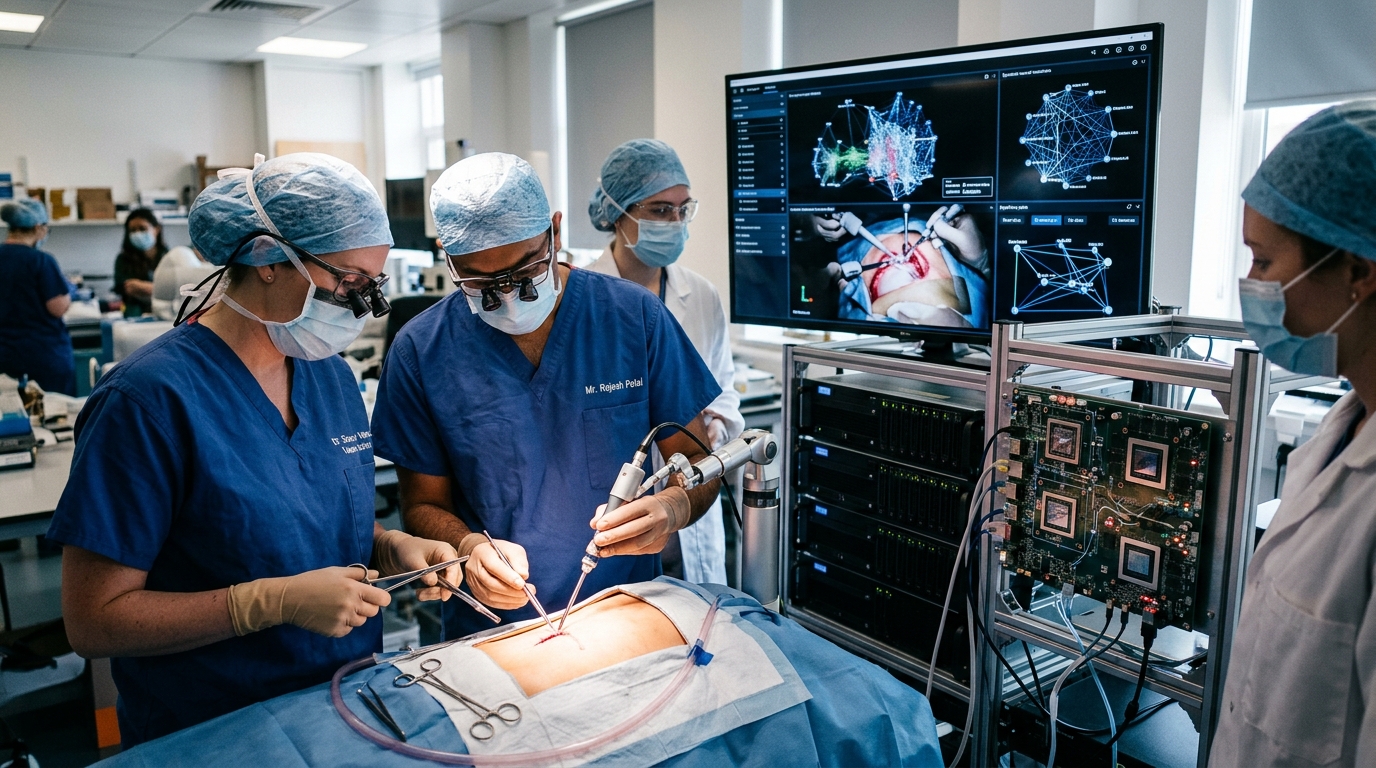
Alzheimer’s disease remains one of the most daunting frontiers in modern medicine—a "silent epidemic" that progressively erodes memory and identity for millions worldwide. As the global population ages, the urgency for early detection has never been greater. At this critical juncture, Artificial Intelligence (AI) is emerging not merely as a supportive tool, but as a transformative catalyst. A recent comprehensive review in the journal Cureus highlights how machine learning algorithms can now detect subtle patterns that elude the human eye, offering a window of opportunity for intervention before neurodegeneration becomes irreversible.
The Power of Neuroimaging and Algorithms
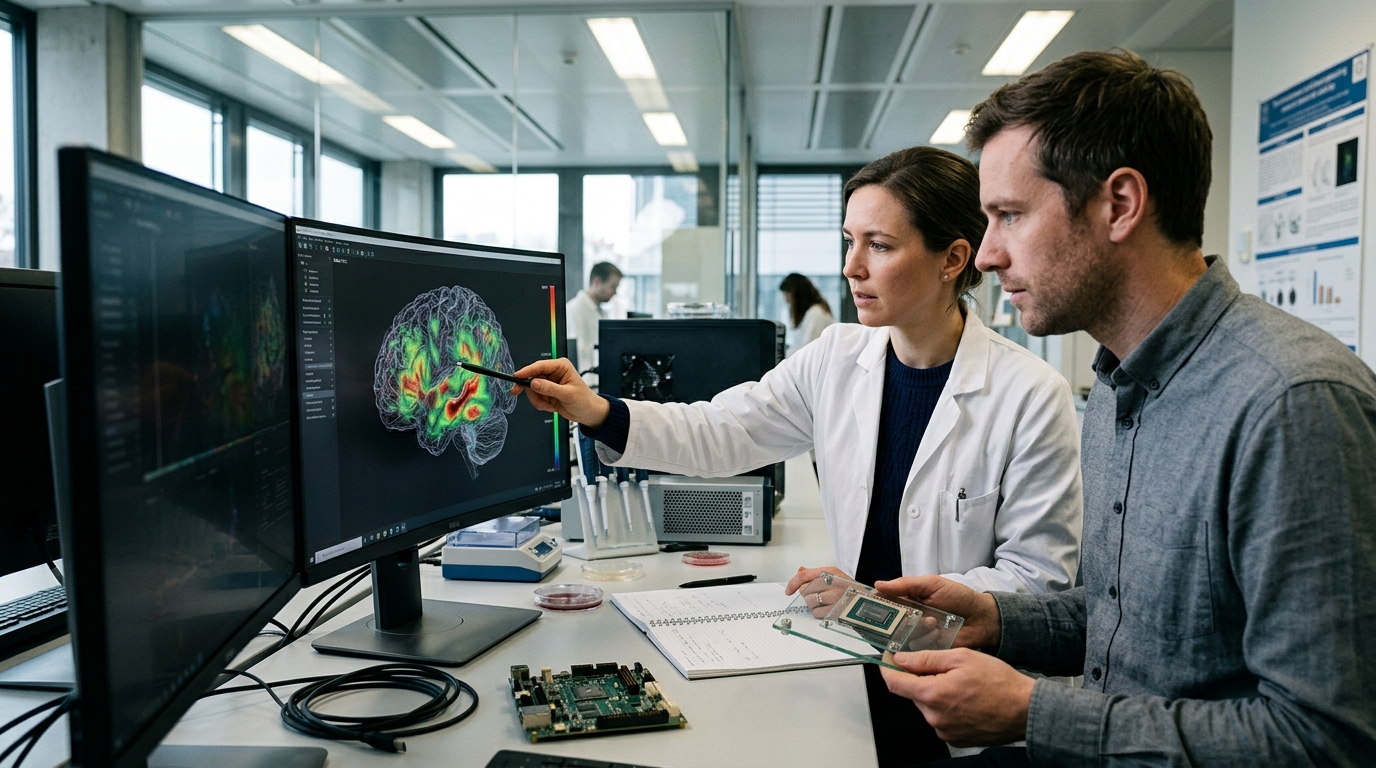
Traditional diagnosis of Alzheimer’s often relies on cognitive testing and the observation of clinical symptoms, which typically manifest only after significant brain damage has occurred. AI, specifically Convolutional Neural Networks (CNNs), enables the analysis of Magnetic Resonance Imaging (MRI) and Positron Emission Tomography (PET) scans with unprecedented granularity. These algorithms are trained on vast datasets to recognize hippocampal atrophy or the accumulation of amyloid plaques long before a patient begins to misplace keys or struggle with orientation.
The cornerstone of this success lies in AI’s ability to process multimodal data. It does not look at brain scans in isolation; instead, it cross-references them with genetic markers, such as the APOE-ε4 allele, and biochemical data from cerebrospinal fluid. This holistic approach allows for the creation of a "digital fingerprint" of the disease, which can predict with over 90% accuracy whether a patient with Mild Cognitive Impairment (MCI) will progress to full-blown Alzheimer’s within a two-to-five-year window.
Beyond the Clinic: Speech and Behavior
One of the most compelling advancements noted in the research is the application of Natural Language Processing (NLP) for Alzheimer’s screening. Changes in syntax, vocabulary richness, and speech cadence are often the earliest, invisible markers of the disease. AI can analyze recordings of everyday conversations to identify micro-pauses or repetitions that signal cognitive decline. This method is non-invasive, low-cost, and scalable, potentially turning a simple smartphone into a powerful screening tool for the general population.
Furthermore, the integration of data from wearable devices provides a continuous stream of information regarding a person’s sleep patterns, gait, and daily habits. AI analyzes this longitudinal data in real-time, flagging deviations that might suggest the onset of neurological issues. This shift from "reactive" medicine—treating symptoms after they appear—to "proactive" medicine is the true revolution brought forth by technology.
Ethical Dilemmas and the Future of Care
Despite the luminous prospects, the integration of AI into Alzheimer’s diagnostics raises profound ethical and practical questions. Foremost is the "right not to know." If an algorithm predicts with high certainty that an individual will develop the disease in five years, yet no definitive cure exists, what is the psychological toll on the patient? Moreover, there is the "black box" problem of AI: clinicians must be able to interpret *why* an algorithm reached a specific diagnosis to trust it and implement it in a clinical setting.
In the coming years, AI is expected to play a pivotal role in personalizing treatments. As new amyloid-targeting drugs enter the market, AI’s ability to identify which patients will benefit most, and at what specific stage, will be crucial. The war against Alzheimer’s will not be won solely in biological laboratories, but also on the servers where human intelligence collaborates with artificial systems to decode the enigmas of the human brain.
- AI offers over 90% accuracy in predicting disease progression from mild impairment.
- Speech analysis via NLP provides a non-invasive, scalable diagnostic method.
- Multimodal data fusion (MRI, genetics, biomarkers) creates a comprehensive patient profile.
- Algorithmic transparency remains a key barrier to widespread clinical adoption.