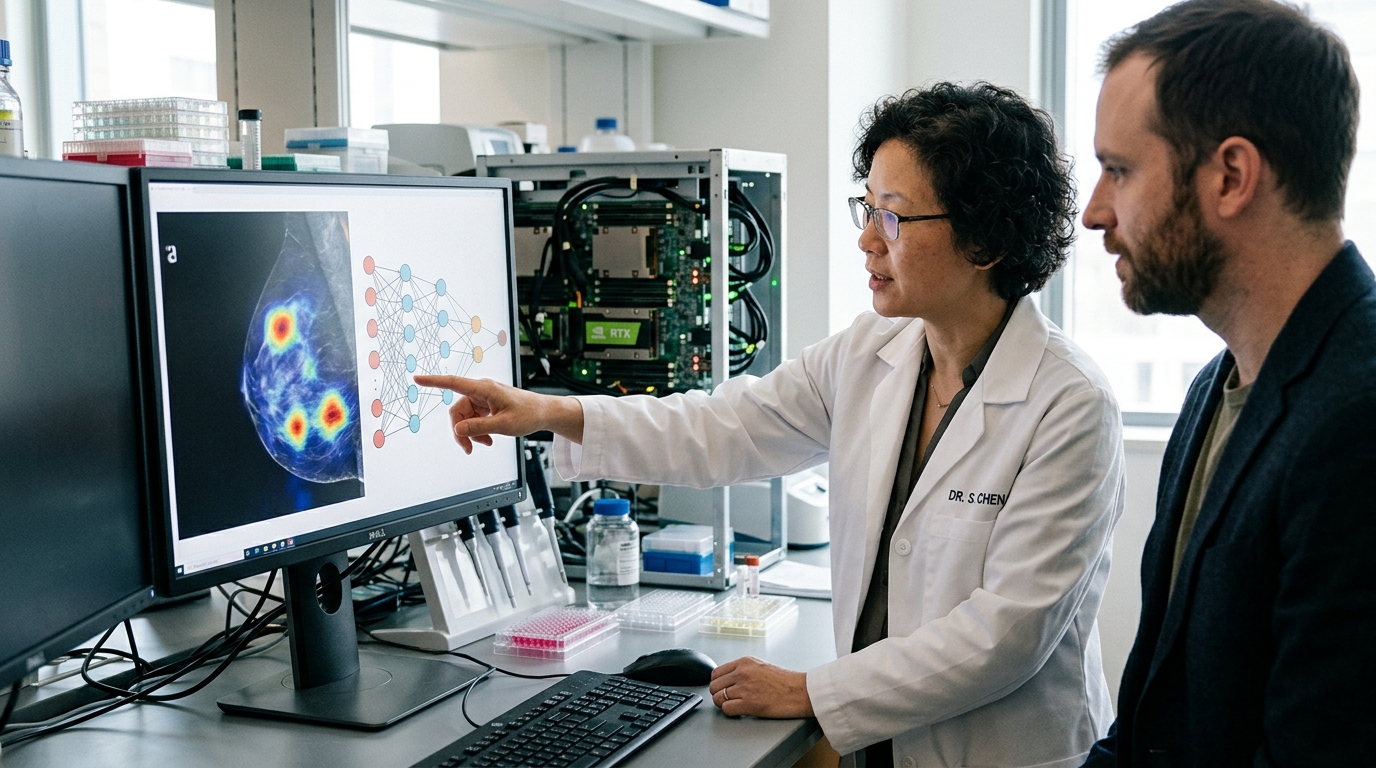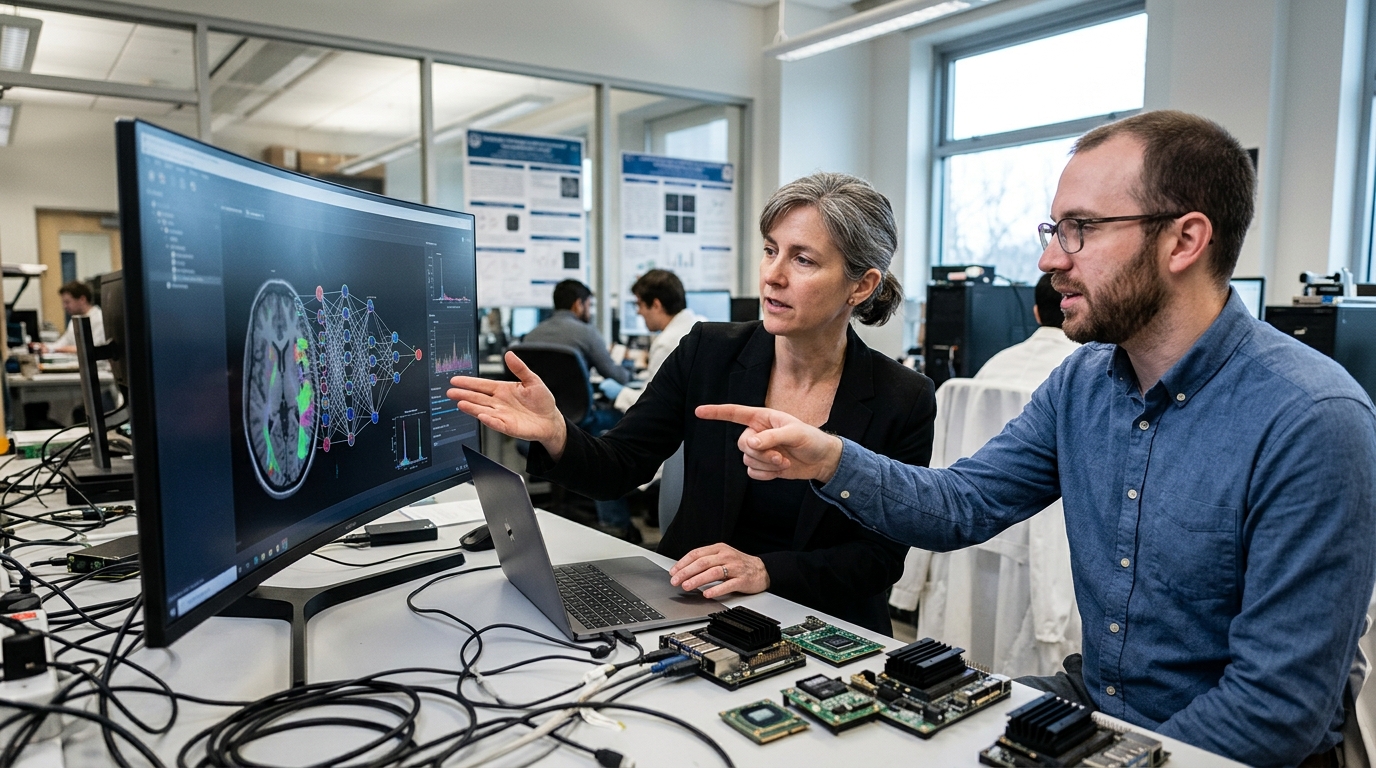
In a landmark moment for modern medicine, the American College of Radiology (ACR) has approved the first-ever Practice Parameter for Artificial Intelligence (AI) in medical imaging. This move is far more than a bureaucratic addition to the vast library of medical regulations; it signals the official coming-of-age of Artificial Intelligence within the healthcare sector. With this approval, radiology becomes the first medical specialty to establish a comprehensive framework for the implementation, monitoring, and ethics of algorithms in daily clinical practice.
Transitioning from Innovation to Standardization
For years, the integration of AI into radiology felt like the "Wild West." While hundreds of algorithms received FDA clearance, their actual application within hospitals lacked uniformity. Radiologists often faced a daunting question: How do we integrate these tools without compromising patient safety or diagnostic quality? The new ACR Practice Parameter addresses this specific void, offering a strategic roadmap for medical institutions worldwide.
The document, developed in collaboration with leading scientists and clinicians, focuses on the entire lifecycle of an AI tool. From selection and procurement to initial deployment and ongoing performance monitoring in real-time. The core philosophy is that AI is not a "plug-and-forget" product but a dynamic entity requiring continuous oversight to ensure it remains beneficial to patient care.
The Pillars of the New Parameter: Governance and Quality
One of the most significant aspects of the new parameter is its emphasis on governance. The ACR stipulates that any organization utilizing AI must have a structured oversight process. This includes the formation of committees to evaluate not just the technical prowess of algorithms, but their clinical utility. It is not enough for an algorithm to be accurate on paper; it must prove that it improves patient outcomes or departmental efficiency.
- Selection and Procurement: Establishing criteria for purchasing technologies that align with the specific needs of the patient population.
- Clinical Validation: Testing the algorithm on the hospital’s local data before full implementation to mitigate algorithmic bias.
- Continuous Monitoring: Establishing quality metrics to detect "model drift," where system performance degrades over time due to changes in data or clinical environments.
The parameter also emphasizes the critical importance of interoperability. AI systems must be able to communicate seamlessly with existing Picture Archiving and Communication Systems (PACS) and Electronic Health Records (EHR), ensuring that information flows without friction that could lead to medical errors or delays.
Ethics and Accountability: Keeping the Human in the Loop
Who is to blame if an AI fails to detect a tumor? This question has loomed over the industry for a decade. The ACR clarifies its stance: AI is a supportive tool, and the ultimate diagnostic responsibility remains with the radiologist. However, the new standard introduces the concept of "shared accountability" regarding quality. Organizations have an ethical obligation to ensure the tools they provide to their physicians are reliable and safe.
"AI will not replace radiologists, but radiologists who use AI will replace those who do not."
This famous industry adage now carries institutional weight. The practice parameter encourages transparency with patients, suggesting the disclosure of AI use in the diagnostic process. Furthermore, it places heavy emphasis on avoiding discrimination, requiring that algorithms be tested across diverse demographic sets to ensure that minorities or specific age groups are not underserved by biased technology.
The Future of Digital Diagnostics
The ACR's move is expected to trigger a global ripple effect. Regulatory bodies in Europe and Asia often look to ACR standards as a benchmark. We can anticipate similar parameters being adopted by the European Society of Radiology (ESR) and other international bodies soon. This creates a stable environment for med-tech companies, who now have clear specifications to follow if they want their products to be considered clinically viable.
In conclusion, the approval of this practice parameter is the key that unlocks the true potential of AI in medicine. It is no longer a futuristic promise but a structured, safe, and controlled tool that promises to enhance diagnostic precision and save lives through early and accurate disease detection. The era of "experimental AI" is ending, and the era of "standardized AI" has officially begun.