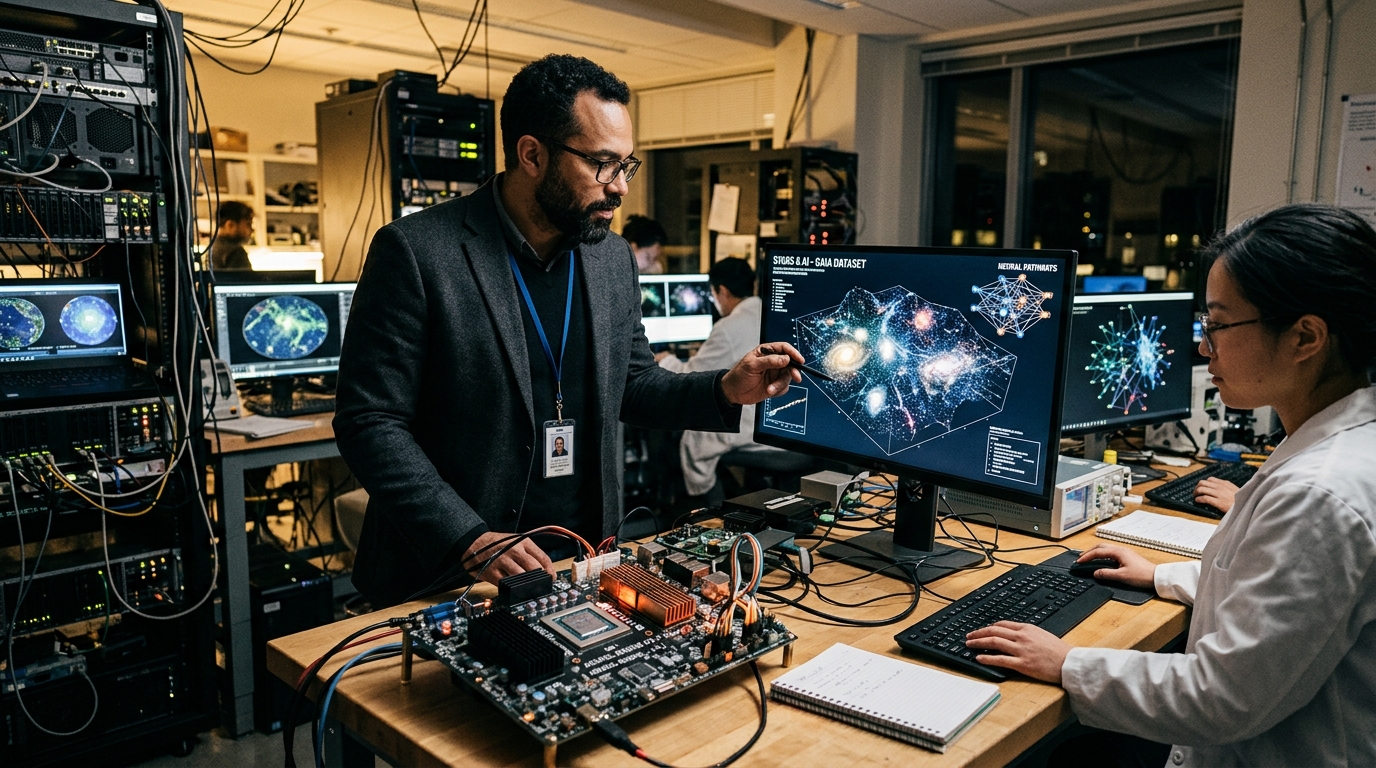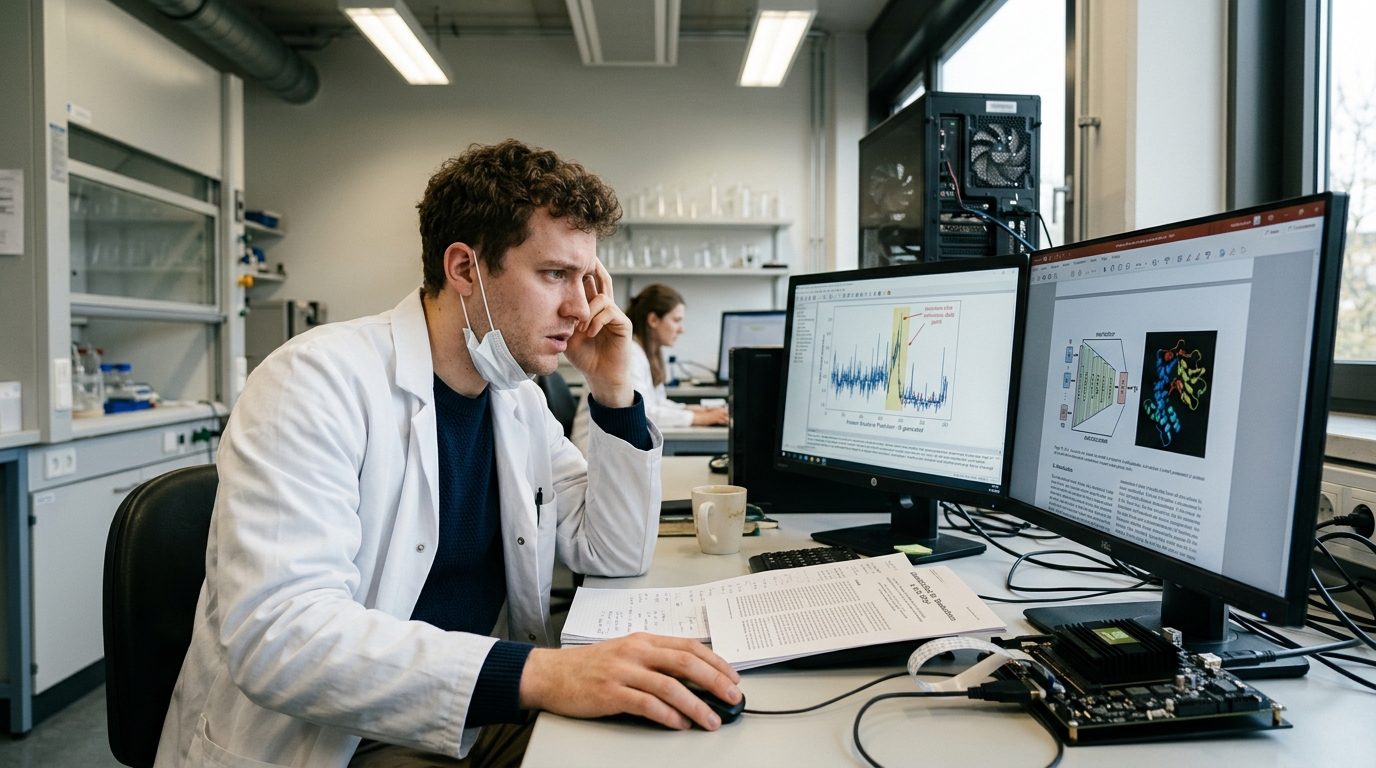
The academic community, the traditional gatekeeper of objective truth and rigorous methodology, is currently in a state of high alert. The cause is none other than the unchecked penetration of Large Language Models (LLMs) into the scientific paper-writing process. What began as a useful tool for copy-editing or literature summarization has rapidly evolved into an "epidemic" of fabricated data and false bibliographic references, commonly known as AI "hallucinations."
The End of Academic Immunity for Technology
For decades, academics operated under a regime of trust. However, the recent explosion in the use of tools like ChatGPT and Claude has overturned this status quo. Publishers and university institutions are now making it crystal clear: the use of AI is no excuse for presenting inaccuracies. On the contrary, researchers are now held 100% accountable for every word and every citation included in their work, even if it was generated by an algorithm.
The problem of hallucinations is structural. AI models do not "know" reality; they predict the next likely word in a sequence. This often leads to the creation of bibliographic sources that look perfectly convincing—featuring names of real professors and titles that sound like reputable journals—but in reality, they never existed. When these false references pass through the peer-review filter, the scientific database becomes contaminated, creating a snowball effect of misinformation.
The Pressure of "Publish or Perish"
To understand why seasoned scientists succumb to the temptation of reckless AI use, we must examine the academic career evaluation system. The "publish or perish" dogma forces researchers to produce a massive volume of work in minimal time to secure funding or tenure. In this high-pressure environment, Artificial Intelligence offers a deceptive promise of speed.
However, this speed is proving catastrophic. Recent cases of researchers losing their positions or having their papers retracted after the discovery of AI hallucinations serve as a stark warning. The scientific community is beginning to realize that verifying what an AI produces often takes more time than traditional writing, effectively nullifying the speed advantage.
The Reaction of Publishing Giants
Major publishing houses like Elsevier and Springer Nature have already updated their guidelines. The use of AI must be explicitly declared, and listing AI as a "co-author" is strictly prohibited, as a machine cannot take legal or moral responsibility for content. Checks are now being performed with specialized AI detection software, although their effectiveness remains a subject of debate, as the technology evolves faster than the tools designed to monitor it.
- Stricter declarations of AI tool usage during submission.
- Enhanced verification processes for bibliographic sources.
- Penalties ranging up to permanent bans from scientific journals.
This crisis highlights the need for a return to the roots of critical thinking. Science is not just the accumulation of information; it is the ability to distinguish truth from falsehood through evidence. If the academic community fails to control AI, it risks losing its most valuable asset: public trust.
Conclusion: Toward a New Academic Ethic
The solution does not lie in a total ban on Artificial Intelligence—which would be impossible anyway—but in educating researchers on "algorithmic literacy." Scientists must learn to use AI as an assistant rather than a substitute for their own reasoning. The responsibility for truth remains, and will remain, an exclusively human attribute. The "meltdown" currently observed in academia is perhaps the necessary purification needed to shape a new ethical framework in the age of artificial intelligence.