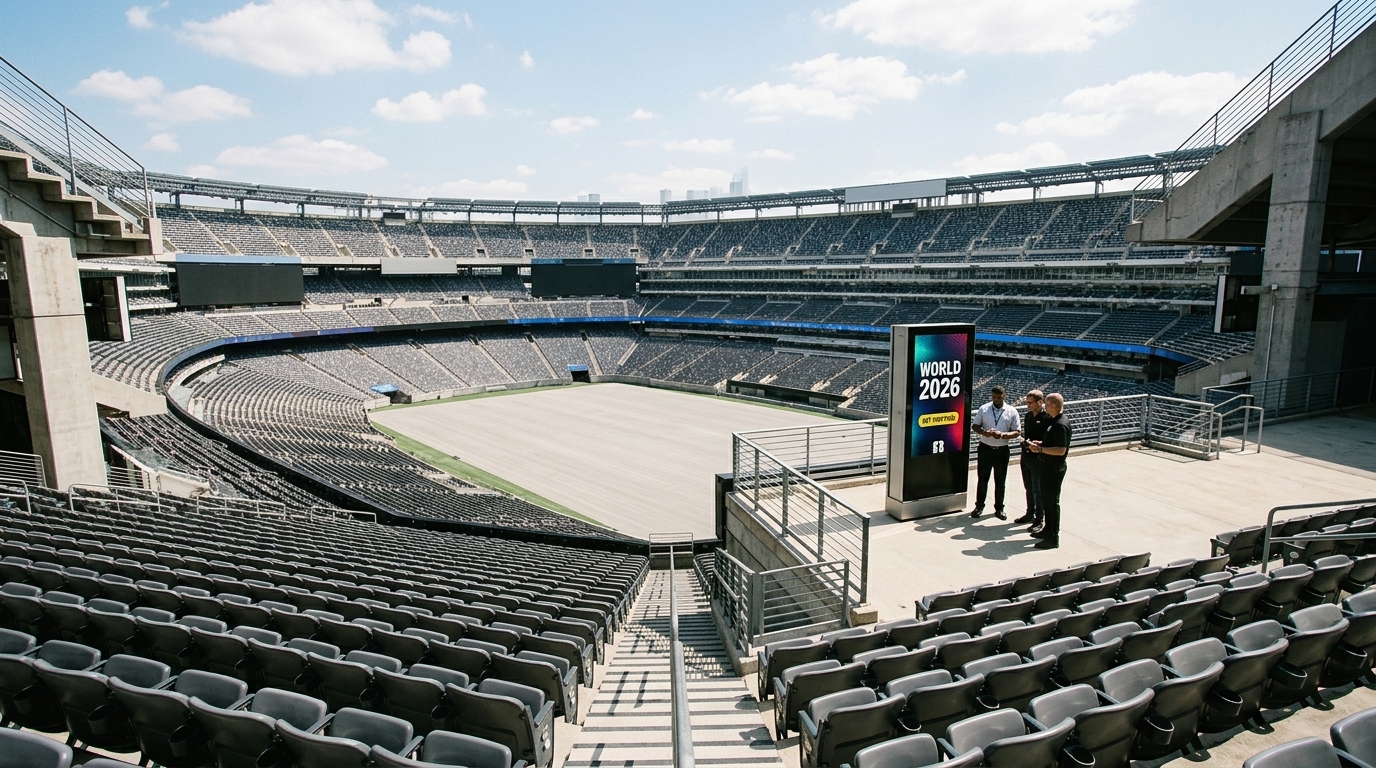
As the countdown to the 2026 FIFA World Cup in the USA, Canada, and Mexico begins, a darker competition is unfolding in the digital underworld. FIFA has issued stern warnings regarding an unprecedented surge in cyberattacks targeting the passion and anticipation of football fans worldwide. These are no longer the amateurish phishing attempts of the past; today’s cybercriminals are leveraging advanced Artificial Intelligence (AI) to construct traps that are nearly indistinguishable from legitimate communications.
The Evolution of Phishing: From Spam to AI-Driven Deception
The traditional phishing method has undergone a radical transformation. In previous years, an email riddled with typos and poor grammar was a dead giveaway. Today, attackers use Large Language Models (LLMs) to craft professional, perfectly phrased messages in multiple languages, flawlessly mimicking the tone and branding of FIFA or its official sponsors. These emails often contain "exclusive invitations" to premium ticket packages or fake notifications of winning all-expenses-paid trips.
The most alarming development for the 2026 cycle is the integration of Deepfakes. Authorities have already identified social media campaigns featuring AI-generated videos of world-renowned footballers endorsing specific ticketing platforms. When a fan sees their idol speaking directly to them, their critical defenses drop, making them far more likely to click on malicious links that compromise their devices and finances.
The Trap of Cloned Portals and Domain Squatting
Cybercriminals are investing heavily in creating "mirror" websites that are pixel-perfect replicas of official FIFA portals. They employ "typosquatting"—registering domains that look legitimate at first glance, such as f1fa-worldcup2026.com. These sites often feature valid SSL certificates, giving users a false sense of security through the familiar padlock icon in the browser bar.
Once a user enters their credit card details to secure a "ticket," the data is harvested instantly. In many cases, the scam extends further. The attackers use this information to gain access to broader banking accounts or sell the personal data on Dark Web marketplaces, fueling a secondary market for identity theft and financial fraud.
The Psychology of Urgency and Scarcity
A hallmark of these cyberattacks is the manipulation of human psychology, specifically the "fear of missing out" (FOMO). Scammers use high-pressure tactics, claiming that "only 3 tickets remain" or that a special discount "expires in 5 minutes." This artificial urgency is designed to bypass logical reasoning. A fan, desperate to witness their national team on the world stage, is pressured into making a split-second decision without verifying the source.
- Never click on links from unsolicited emails, SMS, or WhatsApp messages.
- Use only the official FIFA ticketing app and website for all transactions.
- Enable Multi-Factor Authentication (MFA) on all financial and social accounts.
- Be inherently skeptical of offers that seem too good to be true.
Policy Responses and the Fan’s Responsibility
Law enforcement agencies across North America and Europe have launched coordinated operations to dismantle these fraudulent networks. However, the nature of the internet means that for every site taken down, two more emerge. FIFA’s security policy for 2026 relies heavily on dynamic digital tickets—QR codes that refresh every few seconds—rendering printed or static PDF tickets completely obsolete. Despite these technological safeguards, the primary line of defense remains public awareness. Digital literacy is the only true protection against the sophisticated machinery of modern cybercrime.