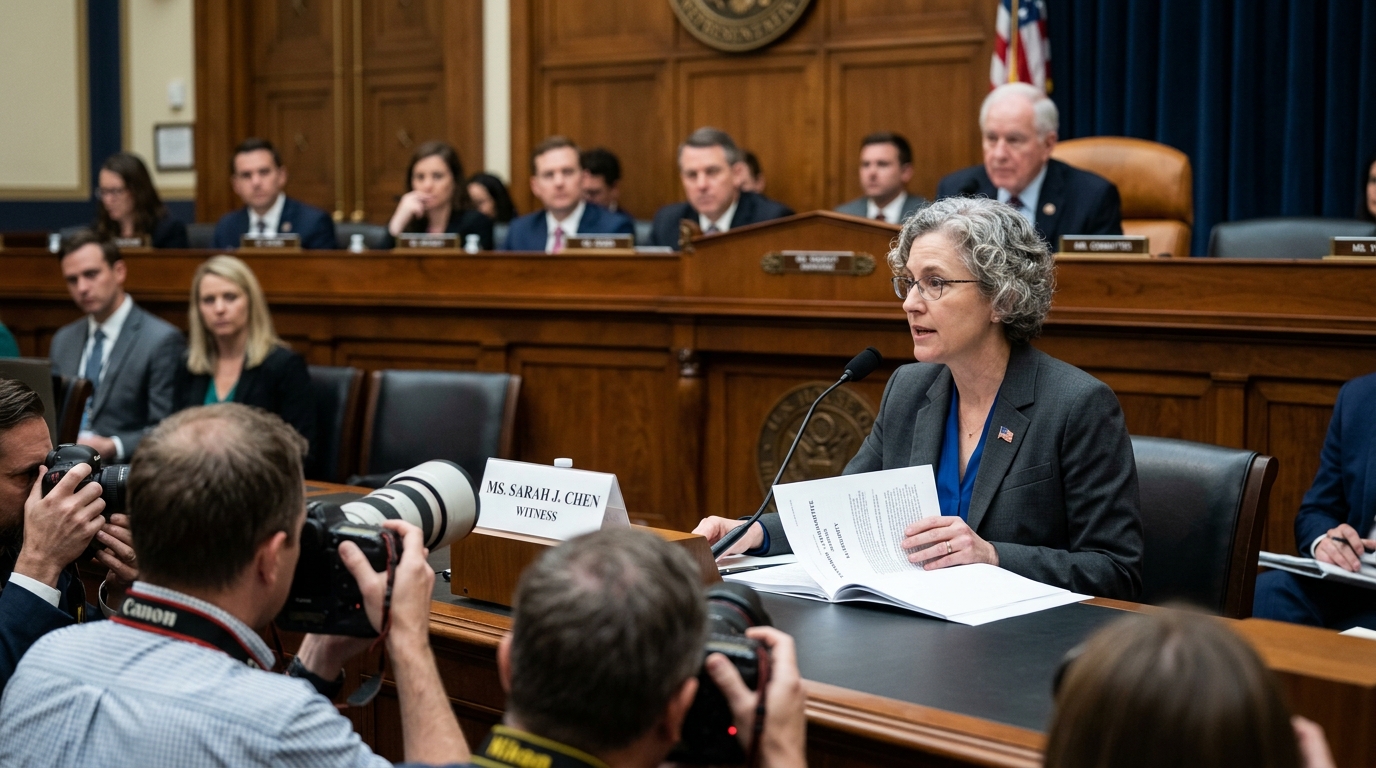
After months of intense negotiations within the corridors of Brussels, the "white smoke" emerging from the Committees on Civil Liberties and Internal Market signals a new phase for European technological policy. The so-called "AI Omnibus" is not merely a set of rules; it is Europe's attempt to translate the ambitious promises of the AI Act into a functional enforcement mechanism. However, the question lingering over Place Luxembourg remains: Have the harsh lessons from the GDPR implementation truly been absorbed, or are we simply building a new layer of digital bureaucracy?
The Architecture of Enforcement: The AI Office and Member State Roles
The heart of the new agreement beats within the AI Office, which is tasked with playing the role of the central regulator. Unlike the GDPR, where decentralized enforcement led to significant delays and "forum shopping" (Big Tech seeking the most lenient jurisdiction), the AI Omnibus seeks a more coordinated approach. The AI Office will have oversight of General Purpose AI (GPAI) models, such as GPT-4, ensuring that systemic risks are addressed at the European level rather than in a fragmented manner.
Nevertheless, the challenge remains staffing. The expertise required to analyze algorithmic "black boxes" is rare and expensive. Brussels promises an "army" of experts, but the AI labor market is hyper-competitive, with the private sector offering multiples of public sector salaries. If the AI Office fails to attract top-tier talent, it risks becoming an organization that merely rubber-stamps compliance documents without understanding the essence of the technology it regulates.
Innovation vs. Precaution: The Brussels Paradox
Europe stands at a critical crossroads. On one hand, the desire to lead globally in "ethical AI" is commendable. On the other, there is the fear that excessive regulatory burden will lead to a flight of capital and talent. The AI Omnibus introduces "regulatory sandboxes," spaces where startups can experiment with new technologies under authority supervision without the fear of immediate fines.
"Regulation should not be the tombstone of innovation, but the framework within which innovation can flourish safely," stated a senior Commission official during the talks.
However, critics argue that documentation requirements for high-risk systems remain overwhelming for small and medium-sized enterprises (SMEs). While giants like Google and Microsoft have armies of legal advisors to navigate the Brussels maze, a startup from Athens or Berlin might find the compliance costs prohibitive. The stake here is whether the "Brussels Effect"—the tendency of global standards to follow European rules—will work in favor of citizens or if it will isolate Europe from the global AI race.
Ghosts of the Past: Lessons from GDPR
The IAPP (International Association of Privacy Professionals) rightly points out that the success of the AI Omnibus will be judged by speed and consistency. One of the primary complaints regarding the GDPR was the ambiguity of certain provisions, which led to years of legal battles. In the case of AI, where developments occur on a weekly basis, judicial slowness could prove fatal.
The new legislation attempts to introduce dynamic elements, allowing for the updating of technical standards without the need for a new legislative act. This flexibility is necessary but carries risks for legal certainty. Businesses need a stable environment to invest. If the "red lines" are constantly shifting, uncertainty will stifle growth.
Conclusion: An Uncertain New Era
The AI Omnibus is a monumental achievement of political consensus, but the true test begins now. Europe is betting that it can enforce a "human-centric" path for technology. If it succeeds, it will have provided a valuable roadmap for the rest of the world. If it fails, it risks becoming a digital museum—protected, ethical, but technologically obsolete. The white smoke has appeared, but the fire of creation must be kept burning.