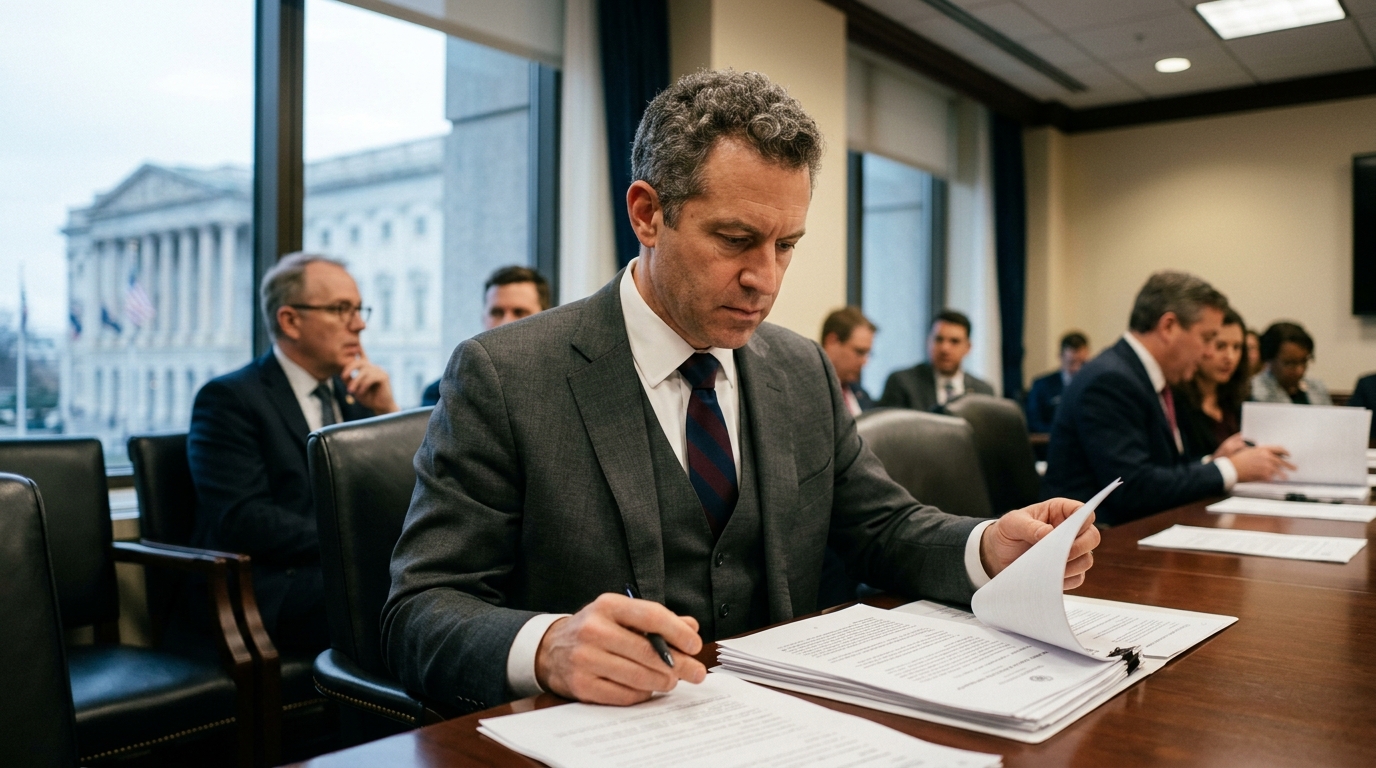
In a historic turning point for the digital age, the United States government has decided to assume the role of "gatekeeper" for the most advanced versions of ChatGPT and other similar artificial intelligence systems. This move, revealed through recent reports in the Washington Post, marks the end of the era of "permissionless innovation" and the beginning of a new chapter where code is treated with the same gravity as nuclear assets or advanced weaponry.
AI as a National Strategic Asset
The White House's decision to control who gains access to OpenAI’s upgrades is not a sudden development. For months, the administration has been crafting a framework that classifies "frontier models" as dual-use technologies. This means that while ChatGPT can be used to write a simple essay, its underlying capabilities could theoretically be harnessed to design sophisticated cyberattacks or even synthesize biological agents.
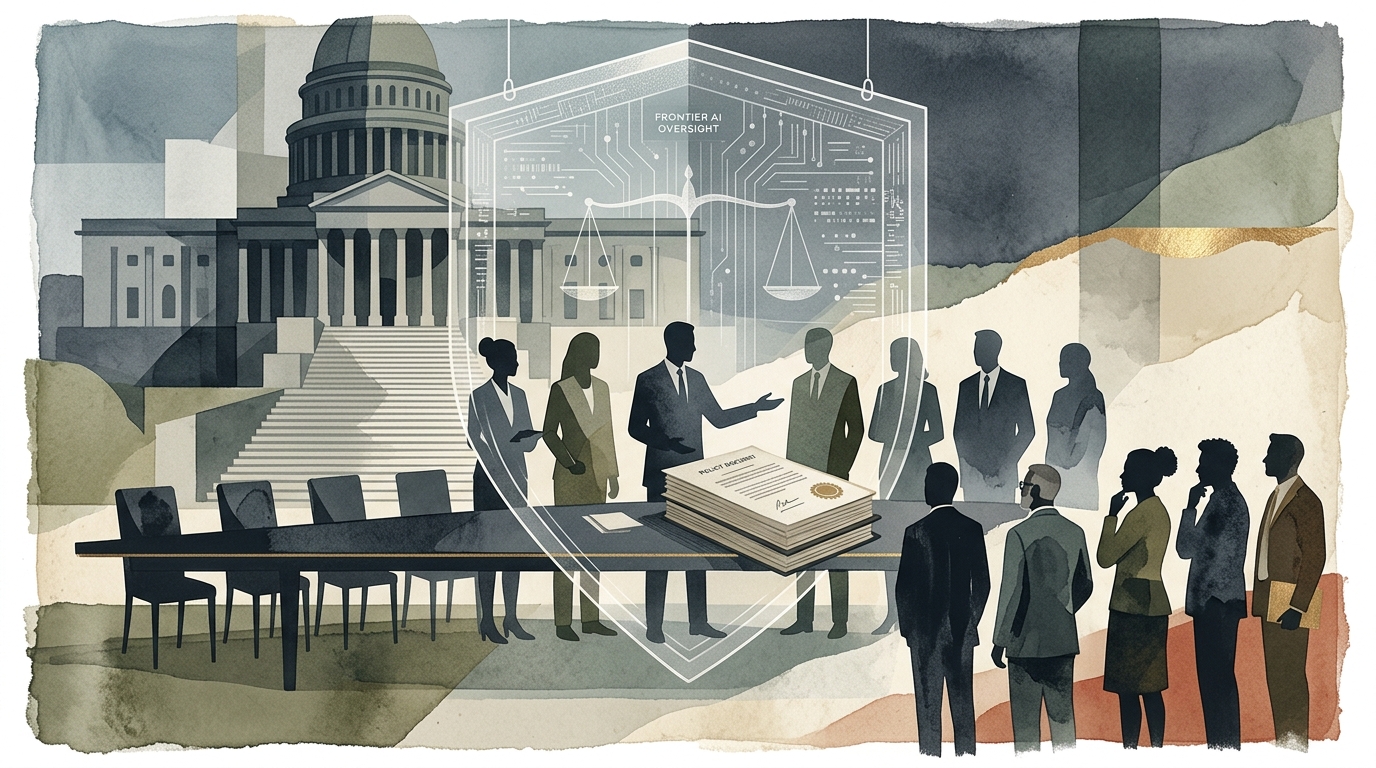
Under the new guidelines, OpenAI and other giants like Google and Anthropic will be required to notify the Department of Commerce before releasing models that exceed certain computational power thresholds. The government will have the authority to restrict access to specific countries or entities deemed a threat to national security, effectively creating a "digital iron curtain" in the information age.
The Geopolitical Chessboard and the China Rivalry
The primary motivation behind this tightening is, undoubtedly, the competition with Beijing. Washington fears that unrestricted access to advanced LLMs (Large Language Models) would allow Chinese state entities to bridge the technological gap without having to invest the billions of dollars required to train such models from scratch.
- Restricting API access for users from "adversarial" jurisdictions.
- Strict export controls on both hardware (chips) and software.
- Mandatory "red-teaming" supervised by government agencies.
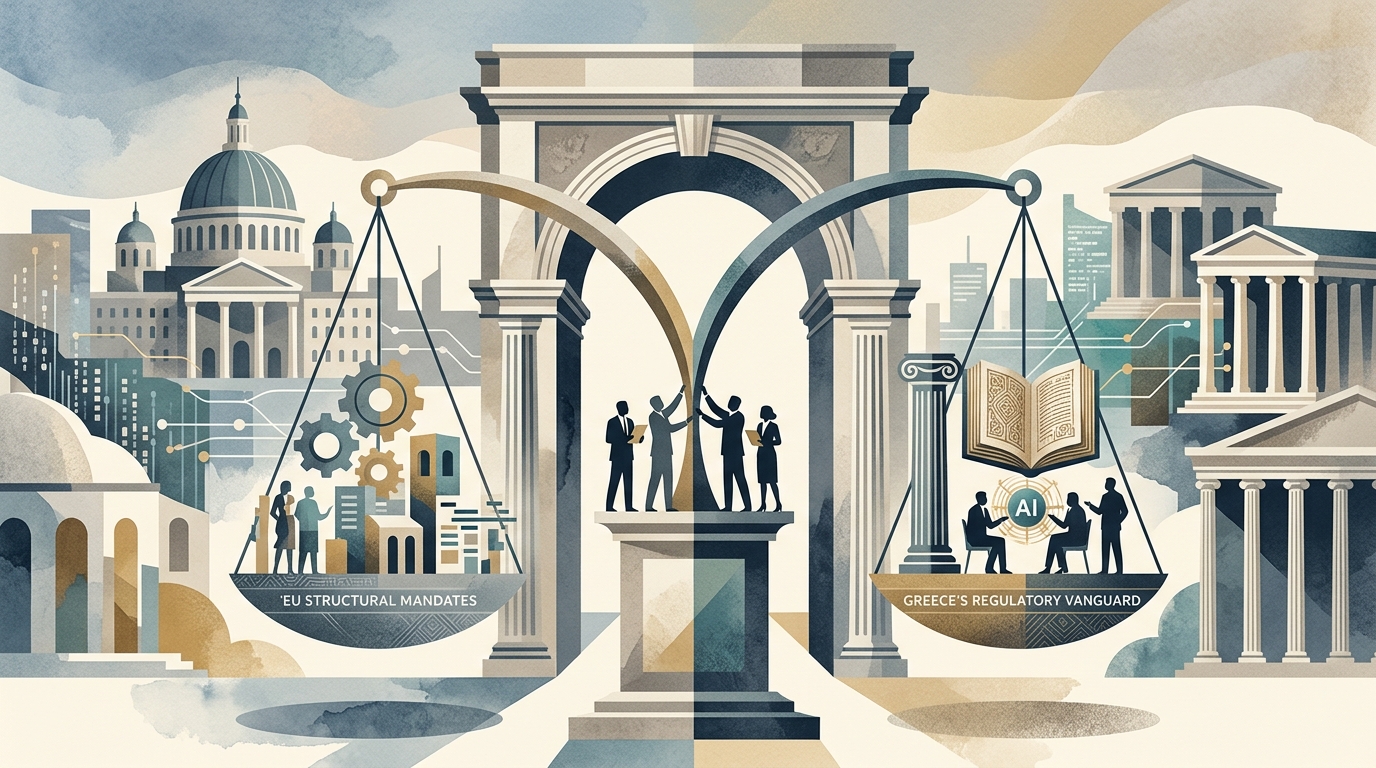
This strategy, however, carries significant risks. Many analysts warn that if the U.S. becomes overly restrictive, it may drive the rest of the world toward open-source alternatives that are beyond anyone's control, thereby undermining the very security it seeks to protect. Furthermore, the European Union is closely monitoring these developments, as its own AI Act emphasizes user rights and ethics, while the U.S. approach appears focused almost exclusively on state power and security.
The Challenge for OpenAI and Silicon Valley
For OpenAI, this evolution is a double-edged sword. On one hand, close cooperation with the government provides a shield of legitimacy and protection. On the other, it limits its commercial reach. The company, which began as a non-profit aimed at benefiting all of humanity, now finds itself at the heart of the 21st-century military-industrial complex.
"This is no longer just a productivity tool; it is a tool of power. And power, in U.S. history, has always been subject to Washington's oversight," a senior Commerce Department official noted.
As we move through 2026, the debate over who "owns" the knowledge produced by AI will only intensify. The U.S. government's decision to control ChatGPT upgrades is just the beginning of a long journey toward the nationalization of high technology, in an attempt to preserve American hegemony in a rapidly shifting world.