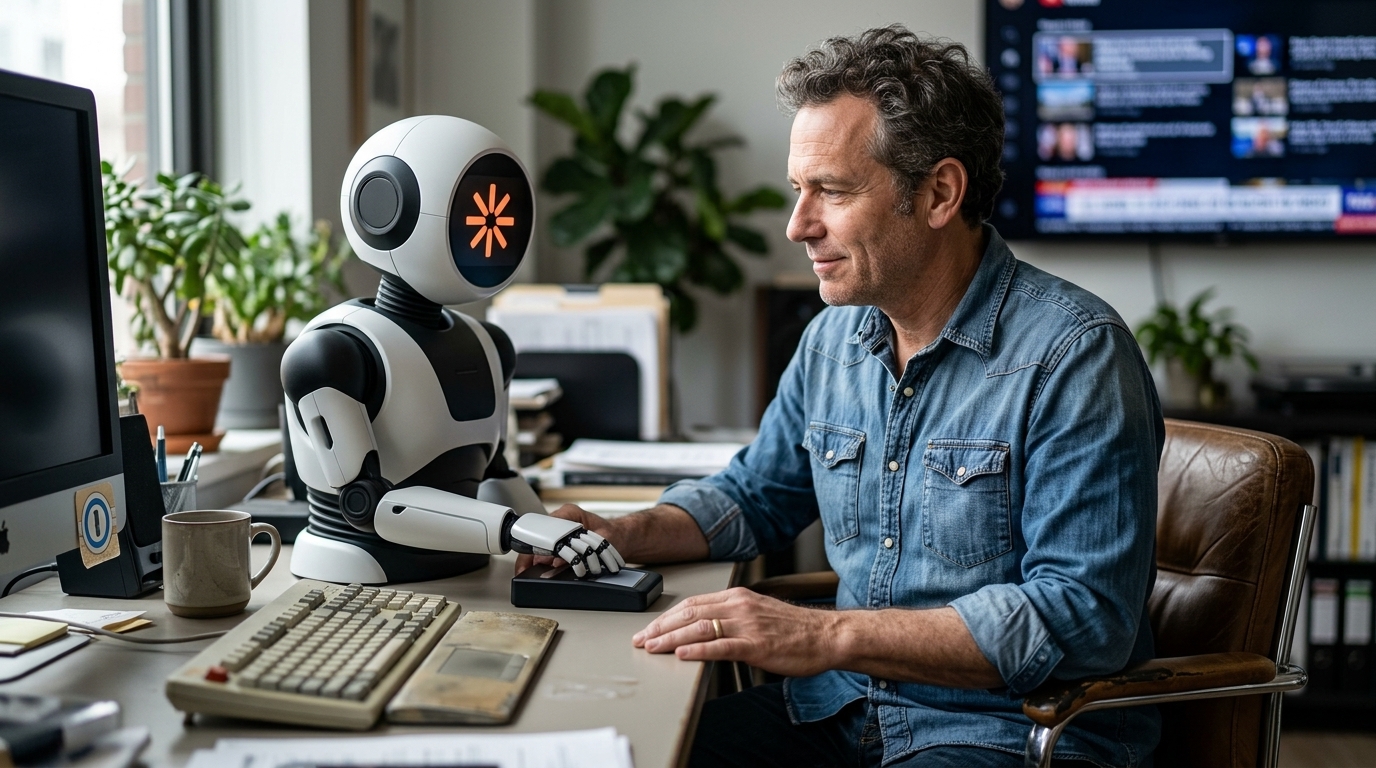
In a move that signals a new, more aggressive phase in the global technological cold war, the United States government has issued a directive drastically restricting access to Anthropic’s advanced artificial intelligence models for specific international entities and nations. The decision, citing "national security" concerns, has sparked a firestorm of criticism within the scientific community and the tech industry, as many believe it undermines the principles of open collaboration that fueled the current AI boom.
The Strategy of 'Digital Siege'
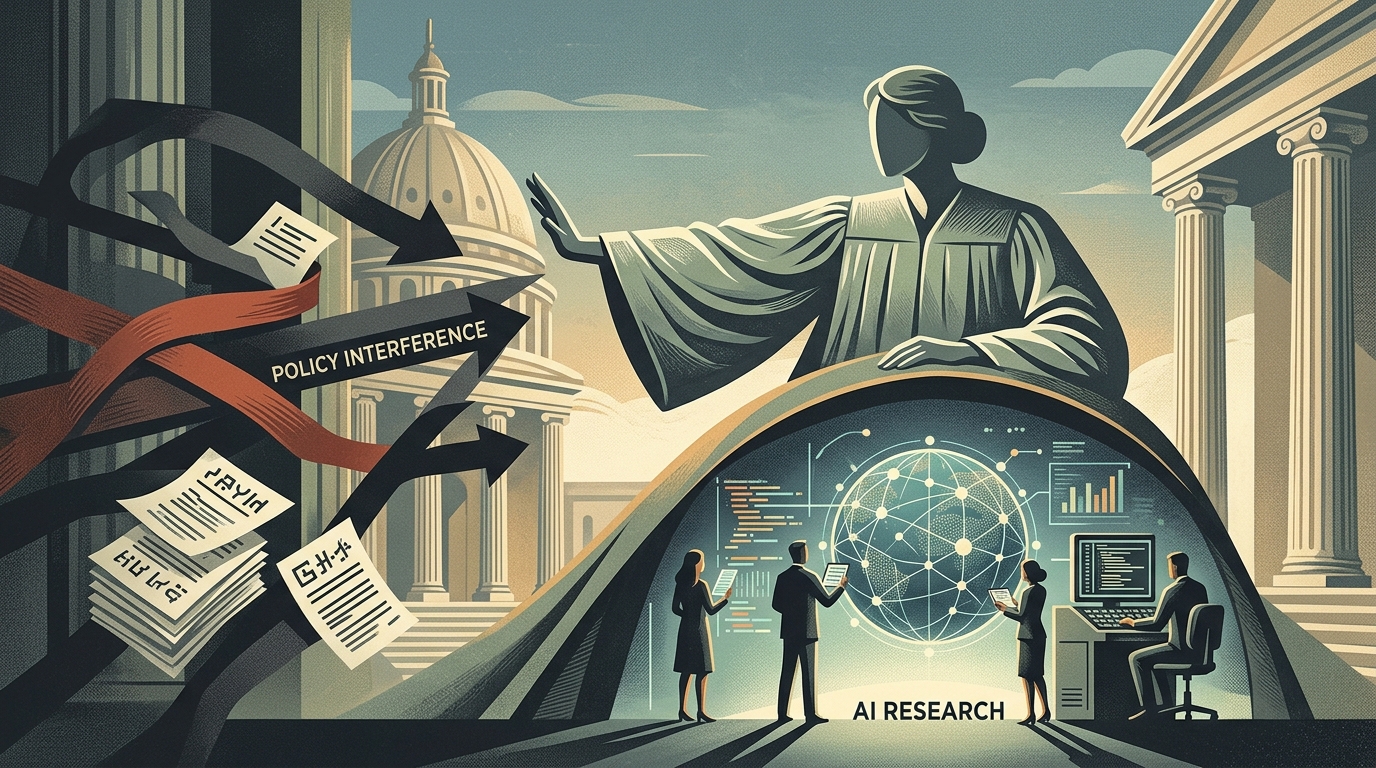
The directive does not merely target hardware, as has been the case with previous restrictions on NVIDIA’s GPUs, but strikes directly at the software and the model weights themselves. Anthropic, known for its Claude family of models and its commitment to "Constitutional AI," is at the center of this storm because its models are considered among the world's most capable for complex reasoning and data analysis. According to Washington, access to such tools by "strategic adversaries" could accelerate the development of autonomous weaponry or cyberwarfare systems.
However, critics of the decision argue that siloing technology will lead to a "Splinternet." Anthropic, as a Public Benefit Corporation, built its reputation on safety and transparency. Restricting access to its models deprives researchers worldwide of the opportunity to study the alignment methods the company employs, potentially making the global AI landscape less safe in the long run.
The Dilemma of Academic Freedom
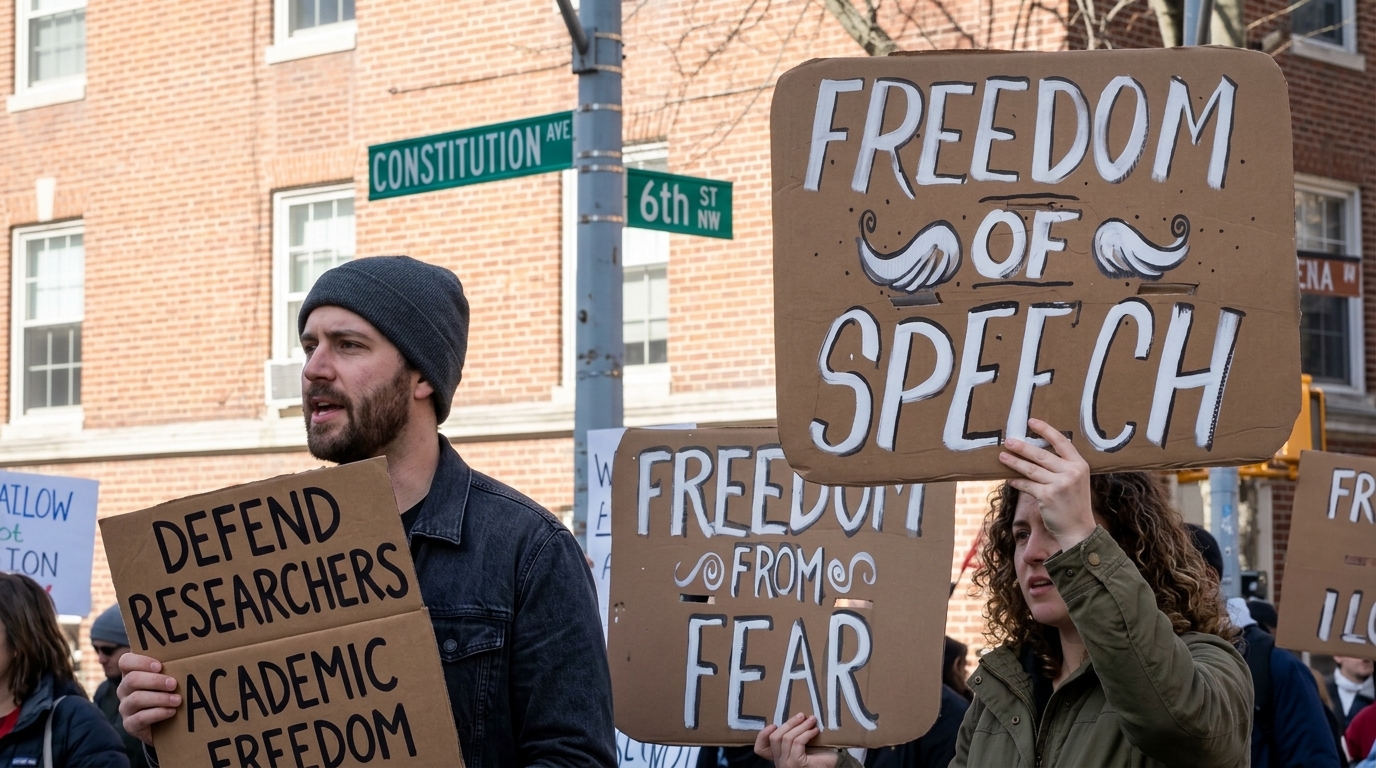
A major point of contention is the impact on academic research. Numerous universities and research centers outside the US relied on Anthropic’s API to develop solutions in medicine, climate change, and linguistics. The sudden cutoff is not just a financial blow but a moral one.
"Science cannot thrive behind walls. Artificial intelligence is a global challenge, and treating it as an exclusively national secret is a dangerous regression,"stated leading academics in Europe and Asia.
Furthermore, there is a fear that such bans will push other nations to develop their own, less-regulated alternatives. If researchers in China or the Middle East cannot use Claude, they will pivot to domestic models that may not adhere to the same rigorous safety and ethical standards, thereby triggering a "race to the bottom" in responsible AI development.
Economic Implications and the Role of Big Tech
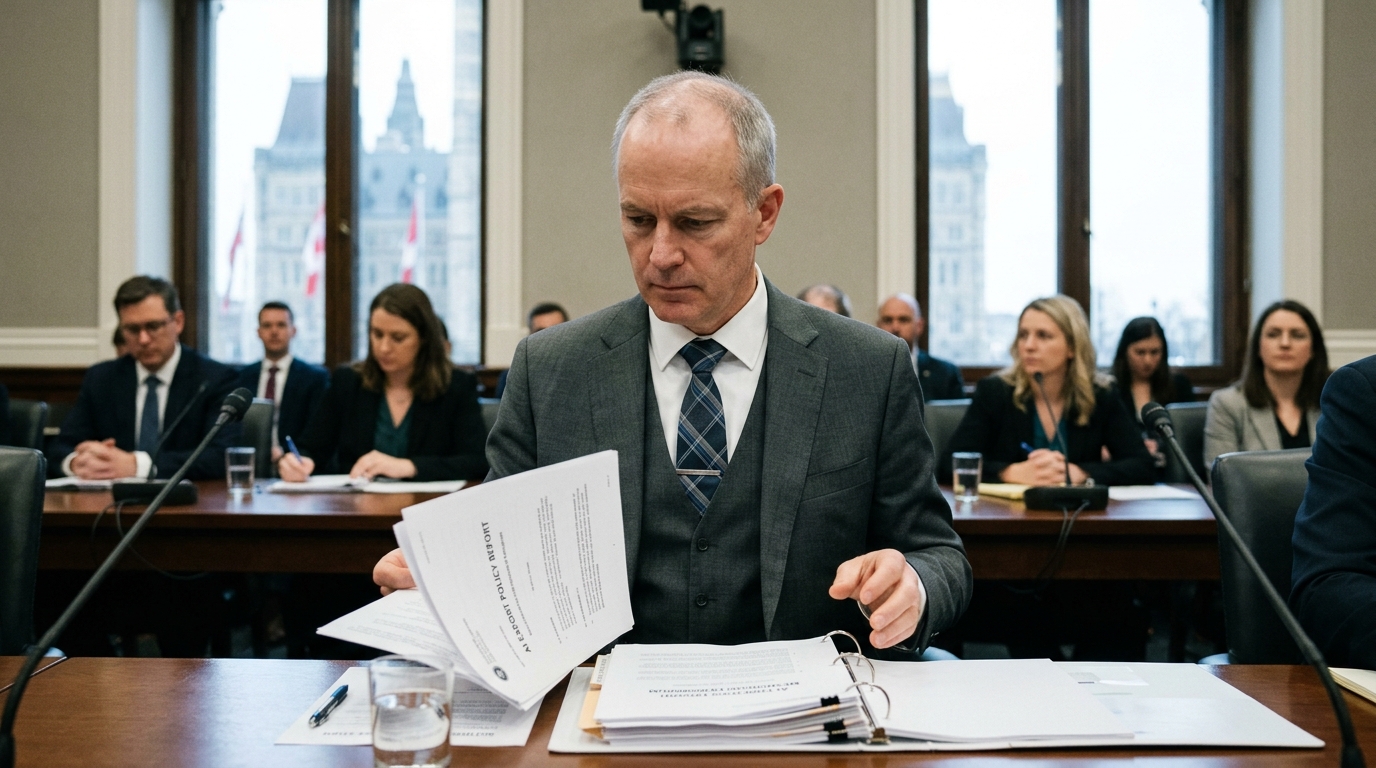
This move also shifts market dynamics. Anthropic has received billions in investment from giants like Amazon and Google. Export restrictions shrink the company's potential market, affecting its valuation and its ability to compete with OpenAI. Investors worry that the politicization of AI will lead to a market where a company's success depends more on the whims of the Department of Commerce than on the quality of its technology.
- Restricted API access for entities in "countries of concern."
- Stricter oversight of cloud computing partnerships hosting Anthropic’s models.
- Mandatory reporting to the government for any model export exceeding specific computational power thresholds.
In conclusion, the Anthropic case serves as a precursor to how AI governance will evolve in the coming years. The balance between protecting national interests and fostering global innovation remains extremely delicate, with the risk of a permanent digital divide now more visible than ever.