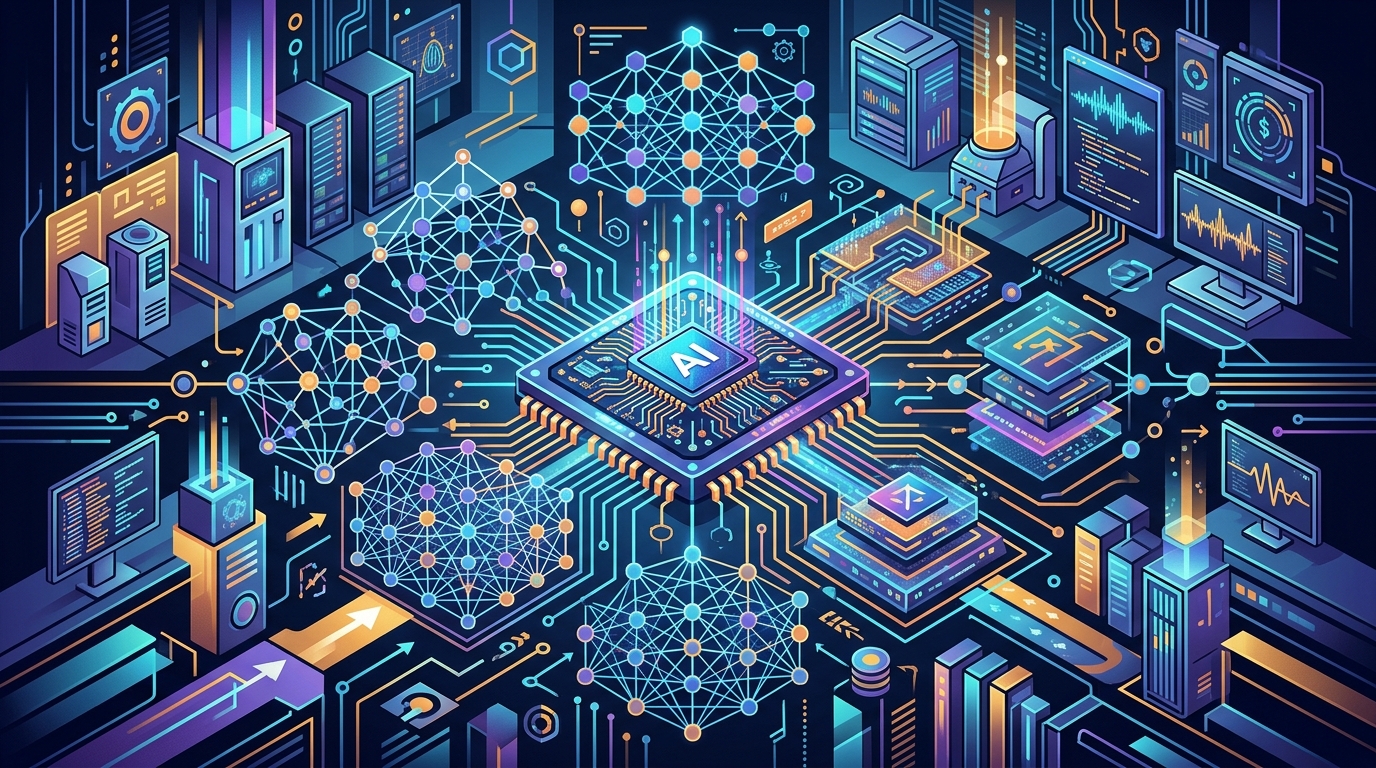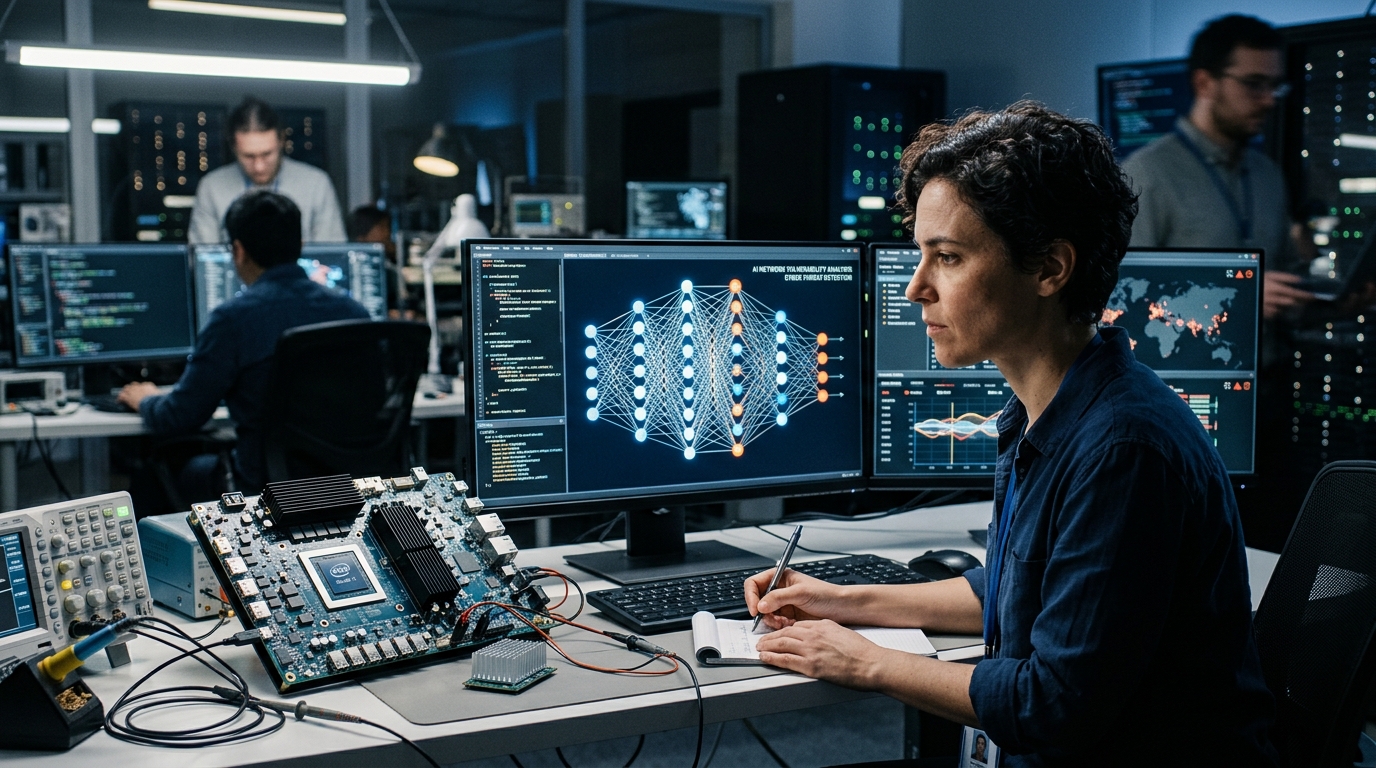
In the digital landscape of 2026, Artificial Intelligence (AI) has transitioned from a futuristic promise to the backbone of global infrastructure. Yet, like every monumental technological leap, it carries a profound shadow. Recent developments in Vietnam—a country rapidly ascending as a Southeast Asian tech hub—highlight a universal truth: AI is simultaneously the most potent weapon in a cybercriminal's arsenal and the only viable shield for defenders. The challenge is no longer merely technical; it is a strategic and existential imperative for nations and corporations alike.
The Weaponization of Intelligence: AI in the Hands of Attackers
The era when phishing attacks were easily spotted by poor grammar or awkward phrasing is over. Leveraging Large Language Models (LLMs), attackers can now generate highly personalized, persuasive messages in any language, targeting thousands of victims simultaneously at near-zero cost. What we are witnessing is the 'democratization' of cybercrime, where individuals with minimal technical expertise can utilize AI tools to discover software vulnerabilities or generate polymorphic malware—code that reconfigures its own structure to evade detection by traditional antivirus software.
Furthermore, Deepfakes have revolutionized social engineering. Imagine a financial officer receiving a video call from their 'CEO,' looking and sounding indistinguishable from the real person, requesting an urgent fund transfer. These are no longer science fiction scenarios but daily realities testing the limits of traditional security protocols. The speed at which AI can execute brute-force attacks or scan entire networks for 'zero-day' exploits far exceeds human reaction time, creating a dangerous window of opportunity for malicious actors.
The Digital Shield: Predictive Defense and Machine Learning
Faced with this tidal wave of automated threats, cybersecurity is being forced to evolve. Traditional signature-based systems are now obsolete against rapidly changing threats. The new generation of defense relies on 'anomaly detection' powered by Machine Learning. These systems analyze user behavior and data flows in real-time, identifying subtle deviations that might indicate a breach long before it is completed. For instance, if a user account suddenly begins accessing sensitive files outside of its normal scope or at unusual hours, the AI can autonomously isolate the account in milliseconds.
The proactive nature of AI also enables 'predictive analytics.' By studying global attack patterns and historical data, algorithms can forecast which sectors or infrastructures are likely to be targeted next. This allows organizations to harden their systems preemptively. In Vietnam, the government is heavily investing in such technologies to protect critical national infrastructure, recognizing that digital security is inextricably linked to national sovereignty and economic stability.
The Geopolitical Chessboard and the Skills Gap
The battle for AI-driven cybersecurity has a significant geopolitical dimension. State-sponsored actors are increasingly using AI for espionage and sabotage, creating a state of permanent 'cyber-cold war.' Vietnam’s case is emblematic of emerging economies trying to balance rapid digitalization with the need to fortify against sophisticated external threats. Public-private partnerships and international 'threat intelligence' sharing have become critical components of a resilient defense strategy.
However, the most significant bottleneck remains the human element. There is a massive global cybersecurity skills gap. We need experts who not only understand security fundamentals but can also train, oversee, and troubleshoot the AI systems themselves. Over-reliance on automated defense carries the risk of complacency. If defensive algorithms are compromised or 'poisoned' through adversarial machine learning, the consequences could be catastrophic. Training the next generation of ethical hackers and security analysts must integrate AI as a core competency, not just a peripheral tool.
Conclusion: Moving Toward a Zero Trust Architecture
The future of cybersecurity in the AI era is encapsulated in the 'Zero Trust' philosophy. In an environment where threats are constant and attacks are automated, nothing and no one can be trusted by default. AI will continue to evolve, offering new capabilities to both sides of the conflict. Victory in this perpetual arms race will not come from a single 'silver bullet' software solution, but from continuous adaptation, ethical technological deployment, and robust international cooperation. The challenge of cybersecurity is, ultimately, a challenge to the very trustworthiness of our digital civilization.